
What Are Electrical Panel Upgrades?
What Are Electrical Panel Upgrades?
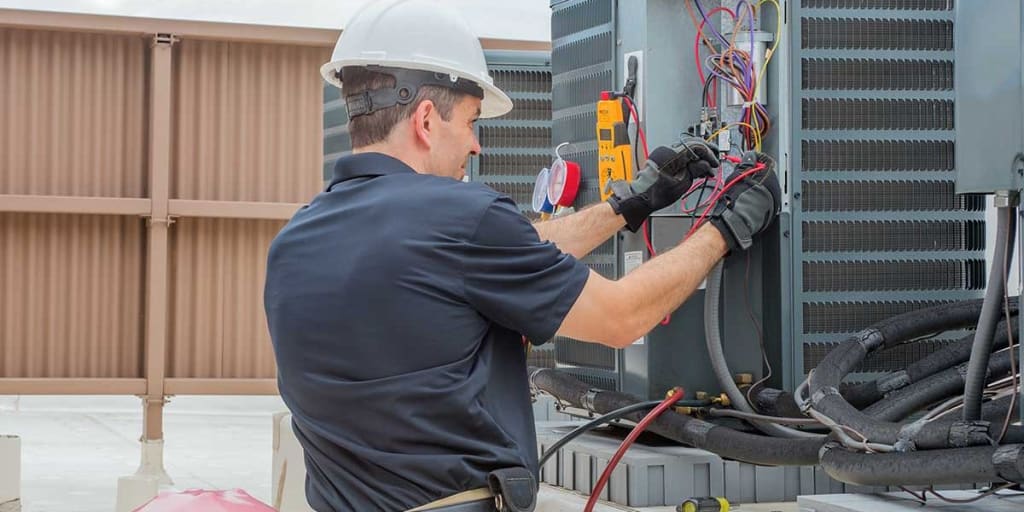
Your home’s electrical panel is often overlooked, but it's the crucial component that distributes power to every outlet, light, and appliance. Just like any other part of your home, it can become outdated or insufficient over time. This is where an electrical panel upgrade comes into play.
Why Upgrade Your Electrical Panel?
Several factors indicate that it’s time to consider an electrical panel upgrade:
Age: Older panels, especially those with fuses instead of circuit breakers, are more prone to electrical fires.
Insufficient Capacity: If you frequently trip breakers or experience dimming lights when running multiple appliances, your panel might be overloaded.
Safety Concerns: Signs of electrical problems like burning smells, flickering lights, or sparks near the panel are serious red flags.
Home Improvement Projects: Adding new appliances, HVAC systems, or electrical outlets might demand more power than your current panel can handle.
Benefits of an Electrical Panel Upgrade
An upgraded electrical panel offers numerous advantages:
Enhanced Safety: Modern panels feature circuit breakers that prevent electrical fires and protect your home.
Increased Capacity: A larger panel can accommodate increased electrical demands, allowing you to use more appliances simultaneously.
Improved Energy Efficiency: Some newer panels offer features that can optimize energy consumption.
Higher Home Value: A modern electrical system can boost your home’s value when it comes time to sell.
The Upgrade Process
Upgrading your electrical panel involves several steps:
Assessment: A qualified electrician will inspect your current panel to determine its condition and capacity needs.
Permitting: Necessary permits for the upgrade must be obtained from local authorities.
Panel Replacement: The old panel is removed and replaced with a new one, often with a higher amperage rating.
Circuit Breaker Installation: New circuit breakers are installed to match your home’s electrical needs.
Wiring Updates: Any necessary wiring upgrades or replacements are performed.
Inspection: The completed work is inspected by local authorities to ensure compliance with electrical codes.
Common Types of Electrical Panels
Standard Circuit Breaker Panels: These are the most common type, using circuit breakers to control electrical flow.
Combination Panels: These panels combine circuit breakers with fuses.
Subpanels: Used for additional circuits in specific areas of a home or building.
Cost Considerations
The cost of an electrical panel upgrade varies depending on factors such as:
Panel size and amperage
Necessary wiring upgrades
Labor costs
Permits and inspections
While it might seem like a significant investment, the long-term benefits in terms of safety, efficiency, and home value often outweigh the costs.
Choosing a Qualified Electrician
Selecting a licensed and experienced electrician is crucial for a successful panel upgrade. Look for professionals with positive reviews and a proven track record.
Conclusion
An Surge C Electric is a home improvement project that should not be overlooked. By addressing potential safety hazards, increasing capacity, and improving energy efficiency, you can enhance your home's overall performance and value. If you suspect your electrical panel is inadequate, consult with a qualified electrician to assess your needs and discuss your options.
About the Creator
Reader insights
Nice work
Very well written. Keep up the good work!
Top insights
Eye opening
Niche topic & fresh perspectives
Heartfelt and relatable
The story invoked strong personal emotions
Keep reading
More stories from surgecelectric and writers in Chapters and other communities.
How does a locksmith unlock a house?
When you find yourself locked out of your home, a locksmith can be your best friend. But have you ever wondered how these skilled professionals manage to unlock doors? Here's a closer look at the methods and techniques they use to regain access to your house Residential Locksmith.
By surgecelectric2 years ago in Fiction
Valentine's Dates Over the Years
Colin grinned as Brooklyn slipped into the living room. “Is it all set?” he asked. The twenty-one year old grinned. She was in her last year of college and Colin knew that Lincoln was proud of her. Although she had been away at college, she’d eagerly helped Colin plan his surprise for Lincoln. “I’m so glad you’re finally doing this,” she said.
By Reb Kreyling27 days ago in Chapters
The Piggy Project
I’ve had so many names in this life I lose track of which ones were ever really mine and which ones I wore because someone needed me to. Some were handed to me before I had words to refuse them, before I knew what they meant, before I knew I could say no. Most weren’t meant to hurt. That doesn’t mean they didn’t leave marks. Marks that told me who I belong to, who I am by way of who claims me, recognizes me in the good and bad, who walks beside me.
By Fatal Serendipity7 days ago in Confessions




Comments (3)
Amazing one
Hehe nice work.
Thanks for sharing