

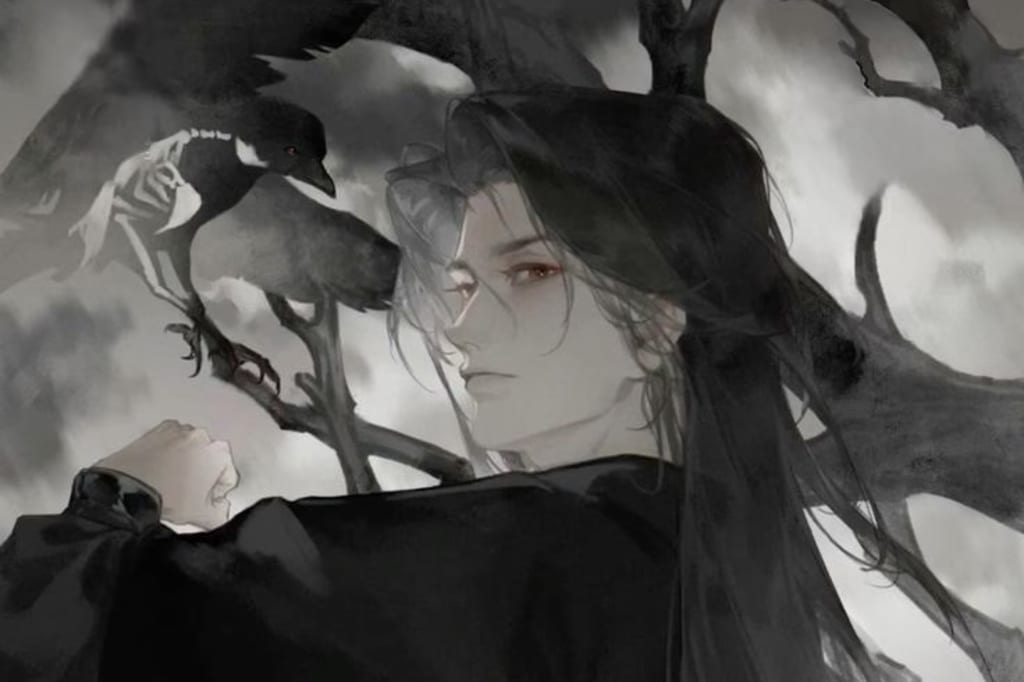
The essay for Chapter 1.
A dense forest shrouded in mist conceals ancient secrets known only to the initiated. The world beyond it is one of profound duality, where mortal and spiritual realms collide. In this mysterious setting, a sense of duty drives a man to ascend a mountain, his heart weighed down not by the beauty of nature but by the heavy call of responsibility. His arrival at a sacred site signals the beginning of a journey where the line between life and death blurs. The man’s path intertwines with forces older than time, forces that observe, judge, and sometimes intervene in the affairs of the living. The man encounters a figure burdened by the chains of obligation. Their task is not one of simple guardianship but one fraught with the complexities of spiritual debt. Their position grants them authority but also subjects them to relentless expectations. Together, they confront the aftermath of a tragedy so harrowing it chills the air itself. A soul has been torn from its vessel in the most violent of ways, leaving behind echoes of suffering too strong to ignore. The two must navigate a precarious balance between duty and compassion, but the weight of their task is palpable. As they investigate, they face resistance not from a visible enemy but from the despair embedded within the environment itself. Their mission to recover a fractured spirit becomes a trial of patience, strategy, and resolve.
The climax comes when the pair witness a forbidden ritual being performed by those driven by grief and desperation. A forceful attempt to breach the barrier between worlds is made, threatening to unleash far more than intended. The ritual is not just an act of defiance but a desperate plea for answers, a refusal to accept loss. The consequences, however, are swift. The uninvited spirit, consumed by rage and confusion, lashes out. It is an embodiment of pain made manifest, a mirror reflecting the deepest fears of those present. What follows is a tense battle of will and strength, where victory is not achieved through brute force but through a deep understanding of the soul’s turmoil. Order is eventually restored, but the cost is evident on the faces of the participants. The echoes of loss remain, an ever-present reminder of the fragile boundary separating the mortal from the immortal. This story delves into the timeless struggle between the pursuit of power and the sanctity of life. The way the spirit is violently extracted from its host reveals the darkest potential of desire unchecked by morality. The perpetrators of this act seek to strengthen themselves at the expense of another’s essence, a metaphor for greed's destructive nature. The narrative exposes how obsession with self-gain not only destroys the innocent but also corrupts those who seek to control the natural flow of life and death. This theme is symbolized by the act of tearing out a golden core, a potent image that encapsulates theft, betrayal, and ultimate loss. It highlights the dangers of shortcuts to power, especially when they come at the cost of another's humanity.
The story also explores the emotional weight of grief and vengeance. The bereaved, consumed by loss, reach for the impossible, daring to call back the departed. Their attempts to break natural laws underline the depth of human desperation when faced with irreversible loss. This emotional impulse, while understandable, becomes a cautionary tale about the cost of defiance against the natural order. The result is chaos and suffering, and ultimately, even those who sought to right a wrong must face the consequences. This cycle of loss and retaliation points to the broader message of the story: that closure and justice must come from within, not from the disruption of universal balance. Finally, the story examines the role of authority and its inherent isolation. Those tasked with upholding cosmic balance must make decisions that others cannot comprehend. Their responsibility forces them to stand apart, unyielding in their principles, even when surrounded by pleas for help. The protagonist embodies this burden, walking a path that separates him from the living and the dead. His presence is both a comfort and a threat, as he alone holds the power to maintain order. But his position also demands sacrifices, as seen in his inability to offer closure to those still grieving. His role underscores the price of leadership, where compassion must be tempered by duty, and personal desires must yield to the greater good. This exploration of isolation within duty serves as a meditation on the price of responsibility, a theme as ancient as the mountains that bear witness to it.

About the Creator
Ria Dano
• Англоязычные тексты к главам - продукт ИИ на основе оригинала/перевода.
• Оригинальные работы на ан.яз. без пометки "AI".
Inside Rebels
I presented him with a list of his harsh remarks, each entry dated and quoted verbatim, hoping that the undeniable record would force him to acknowledge his misconduct. He laughed, a harsh, guttural sound, and replied, “You think you can challenge my authority with petty grievances? I have been teaching for twenty‑three years; you are merely students with no right to question me.” The tension snapped, and the room seemed to close in, as if the very walls were listening, poised to judge, while I felt the crushing weight of his disdain settle upon my shoulders like an oppressive blanket.
By Forest Green4 days ago in Chapters



Comments
There are no comments for this story
Be the first to respond and start the conversation.