
WASPI Women
Understanding Their Fight for Fairness

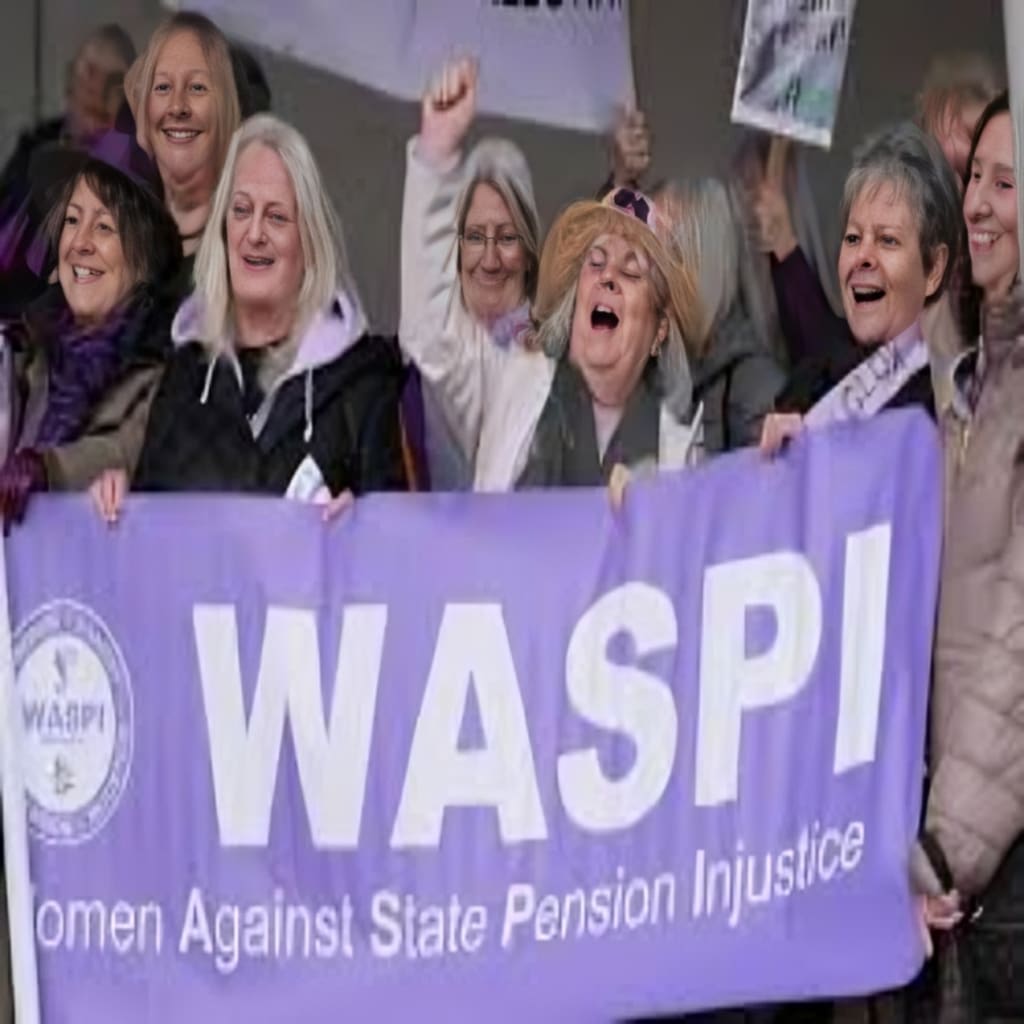
The term WASPI Women stands for Women Against State Pension Inequality. This group represents women born in the 1950s who feel unfairly treated because of changes to the state pension age in the UK. These changes have left many women facing financial difficulties and emotional stress as they approach retirement.
This article explains who WASPI women are, why they are campaigning, and the impact of this issue on their lives.
Who Are WASPI Women?
WASPI women were born between 1950 and 1960. For most of their working lives, these women expected to retire and claim their state pensions at the age of 60, which had been the norm for decades.
However, in 1995, the UK government passed the Pensions Act, which gradually raised the state pension age for women to make it equal to men’s pension age of 65. Later, the age was increased to 66 for both men and women.
What Is the Problem?
The issue lies not in the equalization of pension ages but in the way these changes were communicated. Many women claim they were not properly informed about the rise in the pension age.
Some of the main complaints include:
Lack of Notice: Many women found out about the changes only a few years before they turned 60, leaving them no time to plan for their financial future.
Hardship: Women had been planning their retirement based on the assumption they would receive their state pensions at 60. Delaying this by 6 years or more has caused significant financial problems.
Unfair Treatment: WASPI women argue that they are being unfairly targeted and have suffered more than men because of how the changes were implemented.
The Impact on WASPI Women
For many WASPI women, the sudden change in the pension age has been devastating. Here are some of the ways it has affected their lives:
Financial Struggles: Without the expected pension income, many women have struggled to pay bills, buy essentials, or support their families. Some have had to sell their homes or use savings meant for later years.
Health Problems: The stress caused by financial insecurity has taken a toll on the mental and physical health of many WASPI women.
Unplanned Work: Women who thought they would retire at 60 have had to continue working, often in physically demanding or low-paying jobs.
The Campaign for Justice
The WASPI campaign began in 2015 to fight for fair treatment. The group is not asking for the pension age to be lowered back to 60. Instead, they want:
Compensation for the lack of notice and the financial hardship caused.
An official acknowledgment that the government failed to properly inform women of the changes.
The campaign has gained significant support, with thousands of women joining protests, signing petitions, and sharing their stories.
Government Response
The UK government has defended the pension age changes, saying they are necessary to make the system fair and affordable as people live longer. However, they have faced criticism for how they handled the transition.
In 2021, the Parliamentary and Health Service Ombudsman found that the Department for Work and Pensions (DWP) had been at fault for failing to provide sufficient notice. This decision gave hope to many WASPI women, but no compensation has been paid yet.
What’s Next?
The fight for justice continues. WASPI women and their supporters are calling for the government to take action and provide fair compensation.
While progress has been slow, the campaign has raised awareness about the issue and sparked important conversations about fairness and equality in the pension system.
Why This Issue Matters
The WASPI campaign highlights broader questions about how governments handle major policy changes and their responsibility to ensure fairness. It also shines a light on the challenges faced by older women in the workplace and the need for better support for those approaching retirement.
How to Support WASPI Women
If you want to help, you can:
Sign petitions calling for compensation.
Write to your local MP to express your support.
Share information about the campaign to raise awareness.
Conclusion
The WASPI women’s fight for justice is a powerful example of how ordinary people can stand up for fairness. These women worked hard all their lives, expecting their pensions at 60, only to face unexpected changes that have turned their lives upside down.
While the journey has been long and difficult, the determination of the WASPI women has inspired many. Their story reminds us of the importance of clear communication, fair policies, and standing together for what is right.
About the Creator
Farhan Sayed
Hi, I’m Farhan Sayed 🌹! I’m here to share stories, thoughts, and maybe sprinkle a little magic along the way. ✨
💡 Passion for:
Exploring new ideas 🧠
Writing from the heart ❤️
Inspiring and connecting with amazing souls like you 🌍
Keep reading
More stories from Farhan Sayed and writers in Chapters and other communities.
CapCut
In today’s world, creating and sharing videos has become a popular way to connect with others. Whether you’re posting on social media, making a short film, or sharing memories with friends, having a good video editing tool is important. CapCut is one of the most popular and easy-to-use apps for video editing.
By Farhan Sayedabout a year ago in Chapters




Comments
There are no comments for this story
Be the first to respond and start the conversation.