
WW2 - Torture
Methods of Torture During World War 2


World War II saw immense human suffering, and torture was widely used by some regimes to extract information, suppress dissent, and intimidate populations. These methods were employed in various places, including prisoner-of-war camps, concentration camps, interrogation facilities, and occupied territories. Here, we’ll explore the most commonly reported methods, used particularly by the Nazi regime in Europe, Japanese forces in East Asia, and some Allied forces as well.
Nazi Torture Tactics
1. Forced Labor and Starvation: In Nazi concentration camps, prisoners endured forced labor under brutal conditions. Malnutrition, starvation, and dehydration were frequent, leaving prisoners severely weakened, vulnerable to illness, and dependent on their captors.
2. Medical Experimentation: Many prisoners were subjected to horrific experiments under the guise of science. For instance, some were exposed to freezing temperatures, while others were given dangerous chemicals to test the limits of human endurance. In Auschwitz, notorious doctor Josef Mengele carried out deadly experiments, especially on twins.
3. Beatings and Psychological Torture: Prisoners faced constant threats, random beatings, and verbal abuse to instill fear. Guards employed techniques like sleep deprivation, humiliation, and other psychological tactics to break the spirits of prisoners and undermine their sense of identity.
4. Gas Chambers and Mass Executions: Gas chambers represent one of the most horrific aspects of Nazi torture and extermination practices. Millions of people, predominantly Jews, were systematically murdered in gas chambers across camps like Auschwitz, Treblinka, and Sobibor.
Japanese Torture Tactics
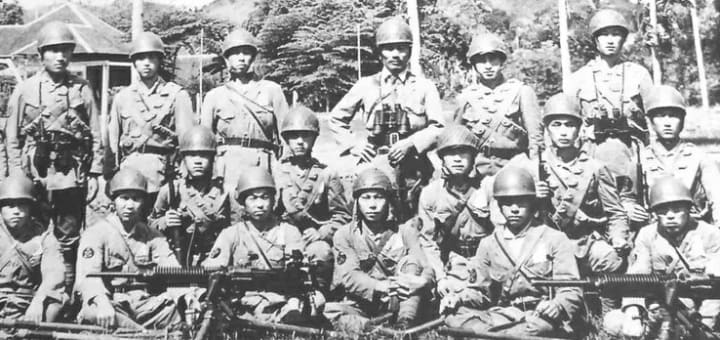
1. Water Torture: Japanese forces, particularly in occupied areas like the Philippines and China, used various forms of water torture. A common practice was forcing water into a prisoner’s stomach through a hose or funnel until it was painfully swollen, then pressing on the abdomen to expel the water, sometimes causing fatal damage.
2. Forced Marches and Starvation: Prisoners of war (POWs) in Japanese custody were often forced into long, grueling marches, such as the infamous Bataan Death March, where POWs walked over 60 miles without adequate food, water, or medical care. Thousands perished from exhaustion, starvation, and physical abuse.
3. Beheadings and Physical Mutilation: The Japanese military often beheaded POWs and local populations, particularly in China and the Philippines, to instill fear and show dominance. Some soldiers also practiced live bayonet drills on prisoners.
4. Biological Warfare Experiments: At Unit 731 in Manchuria, the Japanese Imperial Army conducted cruel biological and chemical experiments on prisoners, including vivisections, exposure to plague-infected fleas, and deliberate infection with pathogens like anthrax.
Torture by Other Regimes and Occupation Forces
1. Soviet Interrogation Techniques: While Soviet forces fought against the Nazis, they also used torture methods on prisoners, suspected spies, and “enemies of the state.” The NKVD (Soviet secret police) employed beatings, psychological torment, starvation, and solitary confinement.
2. British and American Forces: Although the Allies generally opposed torture, there were instances where British and American forces used harsh interrogation techniques, especially on suspected spies or high-value captives. Methods included deprivation tactics, sleep disruption, and psychological pressure.
Psychological Torture and Dehumanization
1. Isolation and Sensory Deprivation: In many camps and interrogation centers, prisoners were isolated for days or weeks to disorient and weaken their resolve. The uncertainty of isolation, combined with hunger and exhaustion, would often lead to extreme mental distress.
2. Use of Confessions and “Re-education” Programs: Some regimes, particularly the Nazis and Japanese, used forced confessions and re-education programs to brainwash prisoners, convincing them to inform on others, adopt political beliefs, or confess to false crimes.
The torture tactics employed during World War II reflected the darkest aspects of humanity. Regimes that prioritized power, control, and domination over human rights inflicted profound trauma and loss of life across Europe, Asia, and beyond. The suffering endured by POWs, resistance fighters, civilians, and minority groups serves as a lasting reminder of the horrors of war, highlighting the necessity for ethical conduct, accountability, and global vigilance to prevent such inhumanity from occurring again.
About the Creator
Keep reading
More stories from Gus Woltmann and writers in Chapters and other communities.
The Morse Code
The development of Morse code in the early 19th century represented a breakthrough in long-distance communication. Created by American inventor Samuel Morse and his colleagues, this system allowed messages to be transmitted over long distances using a series of dots and dashes. It became a vital tool for communication, particularly in the telegraph age, and remains a key part of both historical and modern communication technologies.
By Gus Woltmann5 months ago in Chapters
Coffee may eventually turn cancer treatments on and off.
Without thinking twice, the majority of us reach for coffee. Scientists are now transforming that well-known shock into something even more accurate: a switch that can regulate gene editing within living cells.
By Francis Damia day ago in Chapters
Pearl
1980 something. we all hung out at Pearl and you and i were nothing special, or so i thought. i mean we all danced, drenched in our own sweat, our own saline solution of fear, too many beers, shots, laughter, tears, fucks in the bathroom and i don't know when we began to be afraid. do you?
By ROCK aka Andrea Polla (Simmons)6 days ago in Fiction




Comments