
Unraveling the Complexities of Climate Change
A call to Action


In recent decades, climate change has emerged as one of the most pressing issues facing humanity. Its impacts are far-reaching, affecting everything from the stability of ecosystems to the livelihoods of communities worldwide. As we grapple with the consequences of a warming planet, it becomes increasingly evident that urgent action is needed to mitigate its effects and secure a sustainable future for generations to come.
Understanding the Science
At the heart of the climate change debate lies the science behind it. The Earth’s climate system is a complex web of interactions between the atmosphere, oceans, land, and ice. Human activities, particularly the burning of fossil fuels and deforestation, have led to a rapid increase in greenhouse gas emissions, trapping heat in the atmosphere and causing temperatures to rise.
The consequences of this warming trend are profound. Glaciers are melting, sea levels are rising, extreme weather events are becoming more frequent and intense, and ecosystems are being disrupted. These changes not only threaten biodiversity but also jeopardize food and water security, exacerbate poverty and inequality, and increase the risk of conflicts over dwindling resources.
Impacts on Communities
The impacts of climate change are felt most acutely by vulnerable communities, including indigenous peoples, coastal populations, and those living in low-lying areas or regions prone to natural disasters. These communities often lack the resources and infrastructure to adapt to changing conditions, leaving them disproportionately exposed to risks and hardships.
In developing countries, where agriculture is a primary source of livelihood, shifts in weather patterns and declining crop yields can lead to food shortages and economic instability. In coastal areas, rising sea levels and storm surges threaten homes, infrastructure, and entire communities, forcing millions of people to migrate in search of safer living conditions.
A Call to Action
Addressing the challenge of climate change requires collective action on a global scale. Governments, businesses, civil society organizations, and individuals all have a role to play in reducing greenhouse gas emissions, transitioning to renewable energy sources, and building resilience to climate impacts.
On the international stage, initiatives like the Paris Agreement aim to unite countries in the fight against climate change, setting targets for emission reductions and providing frameworks for cooperation and support. However, achieving these goals will require political will, financial investment, and sustained efforts to overcome obstacles and bridge divides.
At the local level, communities can take steps to reduce their carbon footprint, promote sustainable practices, and adapt to changing conditions. From investing in clean energy technologies to protecting and restoring natural ecosystems, there are countless opportunities for innovation and collaboration to build a more resilient and equitable future.
Climate change is not just an environmental issue — it is a moral imperative and a defining challenge of our time. The decisions we make today will shape the world we leave to future generations, and the stakes could not be higher. By coming together to confront this shared threat, we have the power to create a more sustainable and prosperous world for all. Now is the time for bold action and unwavering commitment to preserve the planet and protect the precious gift of life it sustains.
About the Creator
Keep reading
More stories from Gus Woltmann and writers in Chapters and other communities.
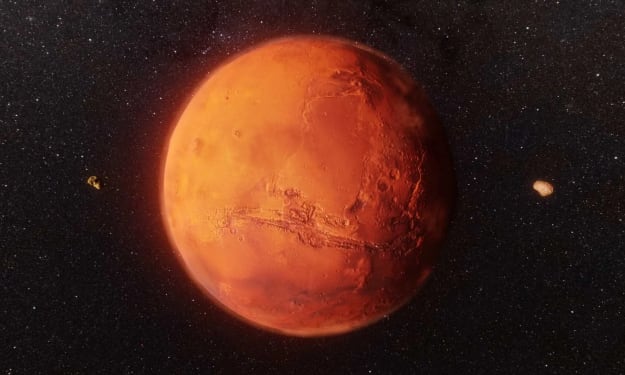
Strange Findings on Mars
Mars, our enigmatic neighbor in the solar system, has fascinated humanity for centuries. With its distinctive red hue and Earth-like features, it has long been the focus of speculation and scientific inquiry. Recent explorations by rovers and orbiters have unveiled a plethora of strange and intriguing findings that challenge our understanding of this distant world. Here are some of the most remarkable discoveries that have puzzled scientists and excited the imagination of the public.
By Gus Woltmannabout a year ago in Chapters
Ray Kroc: The Relentless Visionary Who Built a Global Empire One Hamburger at a Time
Today we look back at a man who proved that ambition has no age limit—someone who didn’t discover his life’s defining purpose until he was well into his fifties. His name was Ray Kroc, and his journey from a restless teenager to the architect of the world’s most successful fast‑food corporation is one of the most remarkable business stories of the 20th century.
By Haroon Pasha5 days ago in Chapters



Comments