
Unlocking the Science of Weight Loss: The Hidden Secrets to a Healthier You
Discover the Powerful Mechanisms That Drive Fat Burning and Transform Your Body

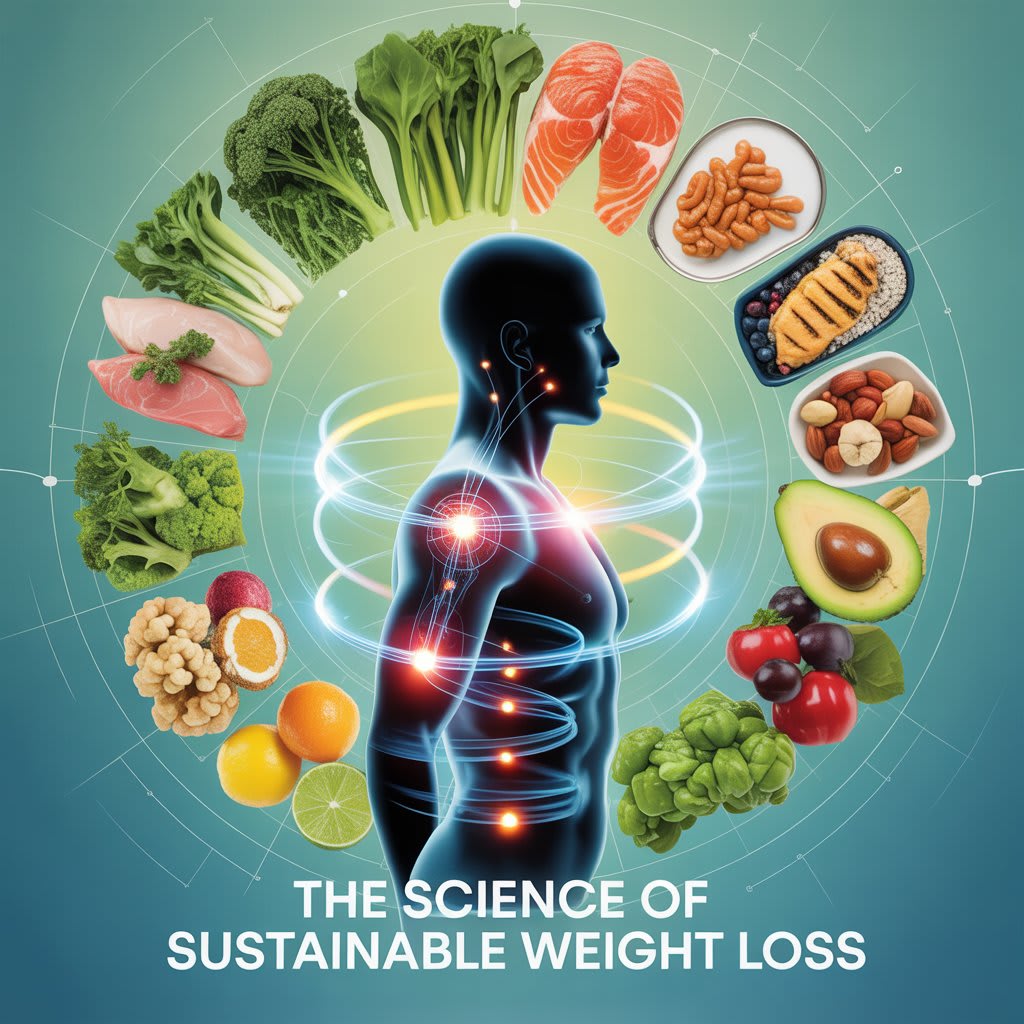
When it comes to weight loss, there's a lot of confusion about how the body works and what really contributes to losing or gaining weight. While fad diets and quick fixes often steal the spotlight, understanding the fundamental science behind weight loss is the key to achieving long-term results. In this article, we will break down the science behind weight loss, focusing on calorie intake, energy burning, and the complex biological processes that drive fat loss. Let’s dive into the fascinating world of metabolism, calories, and the science of shedding those extra pounds.
Understanding Weight Loss: The Basic Principle
At its core, weight loss comes down to one simple principle: calories in versus calories out. This means that in order to lose weight, you need to burn more calories than you consume. It’s all about creating a caloric deficit.
What Are Calories?
Calories are units of energy that your body gets from food and beverages. When you eat, your body uses those calories to fuel its functions, such as breathing, digestion, and physical activity. If you consume more calories than your body needs, the excess is stored as fat. On the other hand, when you burn more calories than you take in, your body begins to use stored fat for energy, resulting in weight loss.
The Caloric Deficit Concept
A caloric deficit occurs when you consume fewer calories than your body requires to maintain its current weight. This can be achieved by either reducing calorie intake, increasing physical activity, or combining both. The key to sustainable weight loss is understanding how your body burns calories and how to effectively create a caloric deficit that is both healthy and achievable.
The Science of Metabolism: How Your Body Burns Calories
Metabolism refers to the complex biochemical processes your body uses to convert food into energy. These processes include everything from digesting food to carrying out cellular functions and even breathing. There are two primary components that contribute to your metabolic rate:
1. Basal Metabolic Rate (BMR)
Your BMR is the number of calories your body needs to perform basic life-sustaining functions like breathing, circulating blood, and maintaining body temperature. BMR accounts for about 60-75% of the calories you burn each day. Factors like age, gender, genetics, and body composition influence your BMR. For example, individuals with more muscle mass typically have a higher BMR because muscle tissue requires more energy to maintain than fat tissue.
2. Physical Activity
The energy expended during physical activity accounts for a significant portion of your daily calorie burn. Activities like walking, running, lifting weights, or even fidgeting contribute to this. The more active you are, the more calories you will burn. Increasing your activity level is one of the most effective ways to create a caloric deficit.
3. Thermic Effect of Food (TEF)
The Thermic Effect of Food (TEF) is the energy your body expends to digest, absorb, and metabolize the food you eat. While TEF represents only about 10% of your total calorie burn, the type of food you eat can influence how much energy is required for digestion. For example, proteins have a higher TEF than carbohydrates and fats, meaning your body burns more calories processing protein-rich foods.
4. Non-Exercise Activity Thermogenesis (NEAT)
NEAT refers to the calories burned through activities that aren't considered formal exercise, such as walking around your house, typing, cleaning, or even standing. While it might seem insignificant, NEAT can add up over the course of the day and contribute to a notable difference in your total calorie expenditure.
Calorie Intake: The Role of Food in Weight Loss
To create a caloric deficit, controlling your calorie intake is just as important as increasing your energy expenditure. It's crucial to consume the right types of foods that not only keep you feeling full but also help fuel your body properly. Let's break down the role of different food types in weight loss:
1. Protein: The Muscle-Building Macronutrient
Protein plays a crucial role in weight loss. First, it helps build and maintain lean muscle mass, which increases your BMR. Second, protein has a high thermic effect, meaning your body burns more calories when digesting and metabolizing protein compared to fats and carbs. Additionally, protein-rich foods can help curb your appetite, keeping you feeling fuller for longer.
Examples of Protein-Rich Foods:
Lean meats like chicken, turkey, and fish
Eggs
Plant-based proteins like tofu, lentils, and quinoa
Greek yogurt
2. Healthy Fats: Essential for Hormonal Balance and Satiety
Fats are often misunderstood when it comes to weight loss. While they are calorie-dense, consuming healthy fats in moderation can actually support weight loss by improving satiety and helping your body absorb essential vitamins. Healthy fats also play a role in regulating hormones that influence hunger and fat storage.
Examples of Healthy Fats:
Avocados
Olive oil
Nuts and seeds
Fatty fish like salmon and mackerel
3. Complex Carbohydrates: Energy for Your Workouts
Carbohydrates are your body's primary energy source. While many people believe they should eliminate carbs to lose weight, they are essential for fueling your workouts and everyday activities. The key is to choose complex carbohydrates that are rich in fiber, as they provide long-lasting energy and promote fullness.
Examples of Complex Carbs:
Whole grains like oats, quinoa, and brown rice
Sweet potatoes
Legumes like beans and lentils
Vegetables
4. Fruits and Vegetables: Low-Calorie, High-Nutrient Foods
Fruits and vegetables are nutrient-dense and low in calories, making them ideal for weight loss. They are rich in vitamins, minerals, and fiber, which promote overall health and digestion. Including a variety of colorful fruits and vegetables in your diet ensures you get a wide range of nutrients while keeping your calorie intake in check.
Examples of Fruits and Vegetables:
Berries like strawberries, blueberries, and raspberries
Leafy greens like spinach, kale, and arugula
Cruciferous vegetables like broccoli and cauliflower
Citrus fruits like oranges and grapefruits
Exercise: Boosting Calorie Burn Through Physical Activity
Exercise plays a pivotal role in increasing your calorie burn and promoting fat loss. It not only helps you burn more calories during the workout but also increases your BMR in the long run by building lean muscle mass.
1. Cardio Exercises: Burning Calories Efficiently
Cardiovascular exercises like running, cycling, swimming, and brisk walking are great for burning calories and improving heart health. High-intensity interval training (HIIT) is particularly effective for boosting calorie burn, as it involves short bursts of intense activity followed by rest or lower-intensity activity.
2. Strength Training: Building Muscle to Boost Metabolism
Strength training, such as weightlifting or bodyweight exercises, helps you build muscle mass. The more muscle you have, the more calories you burn at rest, as muscle tissue requires more energy to maintain than fat. This means that even when you’re not working out, your body is burning more calories to sustain muscle mass.
Tracking Your Progress: Tools and Tips
To effectively lose weight, it's important to monitor both your calorie intake and calorie expenditure. You can use apps, food journals, or a simple calculator to keep track of your daily calories and ensure you're staying within your target range for weight loss.
1. Calorie Counting Apps
Many apps are available to help track calories, food intake, and exercise. Apps like MyFitnessPal or Lose It! allow you to scan barcodes, log meals, and track your progress over time.
2. Using a Fitness Tracker
Fitness trackers, like Fitbit or Apple Watch, can help you monitor your daily steps, heart rate, and calories burned through exercise. This real-time data can help you adjust your physical activity to meet your weight loss goals.
Conclusion: The Key to Sustainable Weight Loss
Weight loss is a complex process that involves understanding the balance between calorie intake, calorie expenditure, and the biological mechanisms behind metabolism. By creating a caloric deficit and making informed choices about the foods you eat, the exercises you engage in, and how you manage your overall lifestyle, you can achieve lasting results.
Remember, there's no one-size-fits-all approach to weight loss, and it’s important to make changes that are sustainable and healthy for your body. By focusing on nutrient-dense, whole foods and staying consistent with physical activity, you can unlock the science of weight loss and transform your health for the long term.
About the Creator
ZALAN KHAN
Sharing insights on education, tech, science, news, health, and motivation. I aim to inform, inspire, and empower through practical tips and thoughtful content.
Keep reading
More stories from ZALAN KHAN and writers in Chapters and other communities.
Cricket World in Shock as PSL and IPL Suspend Matches Due to War
PSL and IPL Suspended Amid Rising Pakistan-India Tensions: A Heartbreaking Reality Cricket is more than just a game in South Asia—it’s a passion, a tradition, and often, the very heart of the people. The Pakistan Super League (PSL) and Indian Premier League (IPL) have been the pinnacle of T20 cricket, bringing together millions of fans from both nations and around the world. But what happens when the very spirit of the game is put on hold due to a much larger crisis? This is the harsh reality fans are facing as both leagues have been suspended due to the escalating tensions between India and Pakistan.
By ZALAN KHAN9 months ago in Chapters
Search for a Sister, Chapter Two
4-H-N heard not a word about her secret mission around Headquarters over the following days, so had to conclude either Mini-Flash Phytolith hadn’t been listening in after all, or she’d misjudged him. She hoped it was the latter, as she wanted the pair of them to get on, even if he wasn’t going out of his way to make it easy for her.
By Doc Sherwood19 days ago in Chapters
Kia Ford: The Hammer Girl's English Premiere Production
Waking up, Kia Ford dispensed any relegation threats, collecting her thoughts, thinking through the sensitive situation, conjuring excuses. “Sometimes you need a little drama,” the hammer girl, worked internal defense mechanism skills, “honestly, unknown result fears could provide, exciting product and energy.”
By Marc OBriena day ago in Chapters


Comments
There are no comments for this story
Be the first to respond and start the conversation.