
Understanding Your Iron TIBC Ferritin Panel Results: A Complete Guide to Iron Testing
Iron TIBC Ferritin Panel

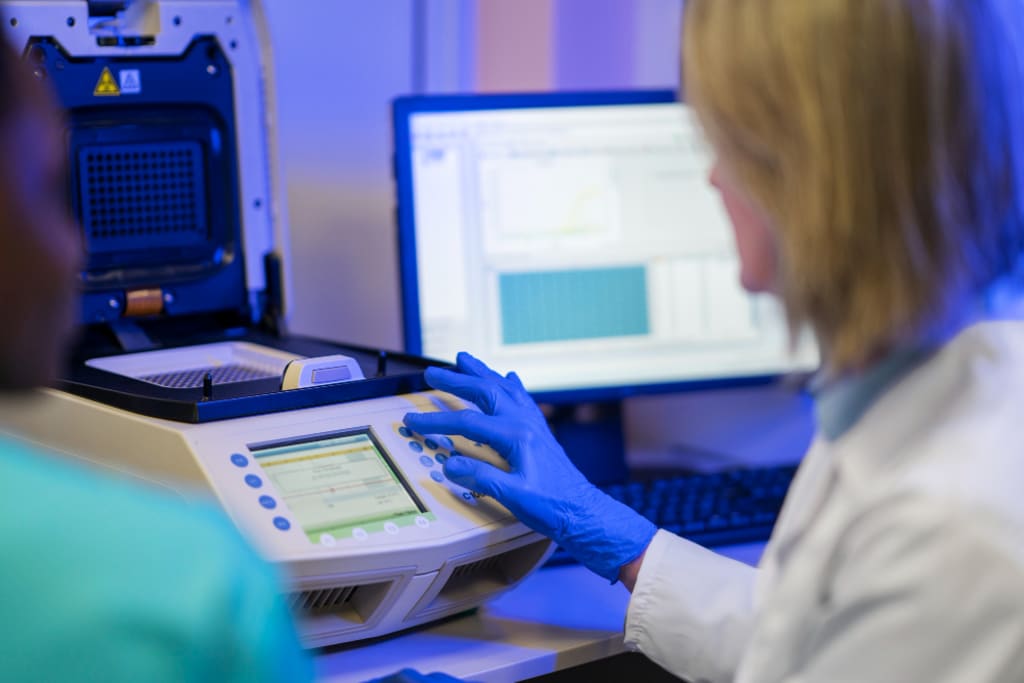
If you've been feeling unusually tired, weak, or lightheaded, your doctor may recommend an iron TIBC ferritin panel - a key blood test used to evaluate your body's iron levels. Iron is essential for oxygen transport, energy production, and overall health. This panel is a powerful diagnostic tool for identifying iron deficiency, iron overload, and other related conditions such as anemia.
In this blog, you'll learn what the iron TIBC ferritin panel includes, what the results mean, and how to take action if your levels are off.
What Is the Iron TIBC Ferritin Panel?
The iron TIBC ferritin panel includes three main blood tests that work together to assess your iron status:
Serum Iron - Measures the amount of circulating iron in your blood.
TIBC (Total Iron-Binding Capacity) - Indicates how well your blood transports iron.
Ferritin - Shows the amount of iron stored in your body.
These markers give a more complete view of your iron metabolism than a single iron test alone, making this panel essential for diagnosing and monitoring iron-related disorders.
Why Is the Iron TIBC Ferritin Panel Important?
- Doctors order this panel when you're experiencing symptoms such as:
- Chronic fatigue or exhaustion
- Pale skin and shortness of breath
- Dizziness or brain fog
- Brittle nails and hair loss
- Irregular heartbeat
- Restless legs
These can be symptoms of iron deficiency anemia, inflammation, or even iron overload (hemochromatosis). Testing helps pinpoint the cause and guide the right treatment plan.
Understanding Each Test in the Iron TIBC Ferritin Panel
1. Serum Iron
Normal Range: 60–170 mcg/dL (may vary)
Low Iron: May indicate iron deficiency, chronic blood loss, or poor absorption.
High Iron: Could suggest iron overload, recent supplements, or liver issues.
2. TIBC (Total Iron-Binding Capacity)
Normal Range: 240–450 mcg/dL
High TIBC: Your body is trying to capture more iron - common in iron deficiency.
Low TIBC: Seen in chronic illness, liver disease, or malnutrition.
3. Ferritin
- Normal Range:
- Men: 24–336 ng/mL
- Women: 11–307 ng/mL
Low Ferritin: Strong indicator of low iron stores - usually the first sign of iron deficiency.
High Ferritin: Can mean iron overload, inflammation, or liver disease.
Common Patterns in Iron TIBC Ferritin Panel Results
Here are a few scenarios to help you better understand your test:
IronTIBCFerritinPossible CauseLowHighLowIron deficiency anemiaLowLow/NormalNormal/HighAnemia of chronic diseaseHighLowHighHemochromatosis or iron overload
Each pattern tells a different story about your iron status, and your doctor will interpret it alongside your symptoms and medical history.
What to Do If Your Iron TIBC Ferritin Panel Is Abnormal
If You Have Low Iron or Ferritin (Iron Deficiency)
Eat more iron-rich foods: Lean red meat, spinach, lentils, tofu, and fortified cereals.
Take iron supplements: As prescribed; best absorbed with vitamin C and on an empty stomach.
Treat the root cause: This may include heavy menstruation, internal bleeding, or poor gut absorption.
If You Have High Iron or Ferritin (Iron Overload)
Avoid iron supplements and high-iron foods.
Get further testing: Your doctor may check for hemochromatosis (a genetic iron disorder).
Consider treatment options: These may include therapeutic phlebotomy or chelating agents to lower iron levels.
Can the Iron TIBC Ferritin Panel Be Affected by Other Factors?
- Yes, test results may vary depending on:
- Infections or inflammation - Can falsely raise ferritin.
- Pregnancy or menstruation - Often lowers iron levels.
- Recent iron supplements - May elevate serum iron.
- Chronic illnesses - Can skew TIBC and ferritin levels.
For the most accurate results, inform your healthcare provider about recent medications, supplements, and any ongoing conditions.
How Often Should You Get the Iron TIBC Ferritin Panel?
If you're symptomatic: Whenever symptoms of anemia, fatigue, or weakness arise.
If you have a chronic condition (e.g., kidney disease, GI disorders, or heavy periods): Every 3–6 months or as recommended.
If you have a family history of iron disorders: Routine monitoring may be advised.
Final Thoughts
The iron TIBC ferritin panel is a powerful tool that offers a deeper look into your body's iron levels. By understanding your test results, you can work with your healthcare provider to address iron deficiency, monitor chronic conditions, or prevent the harmful effects of iron overload.
If you've recently taken this panel or are planning to, keep track of your results, ask questions, and take proactive steps. Managing your iron levels can have a significant impact on your energy, immunity, and quality of life.
About the Creator
Fair Exchange, No Robberies
Dark Memoirs - Index There are at least two kinds of people in the world: those who write this half-arsed kind of intro to a story that looks to separate the rare and the norm, and those who realise it's an overused framing device and don't.
By Paul Stewart15 days ago in Chapters
MARCUS
Marcus eyes are bloodshot from his exhaustion and hatred his hand gripping the steering wheel of his all black Ford mustang 1970 ford boss mustang fast back before taking a deep breath and getting out the car and walking into the house. The thug sees this and holds his handout like a bodyguard would do at the entrance of a club.
By Dumbbruce_vocal4 days ago in Chapters
Smart phones, Humans and Aliens.
WARNING. I will be tapping into one of your favorite creative tensions: The absurdity of humans worshipping their glowing rectangles as if they were tiny oracles. There’s something deliciously poetic about that contradiction, and it lends itself beautifully to an instructive proviso.
By Novel Allen4 days ago in Poets



Comments
There are no comments for this story
Be the first to respond and start the conversation.