
Understanding IQ: Is It a True Measure of Intelligence?
What is an IQ?

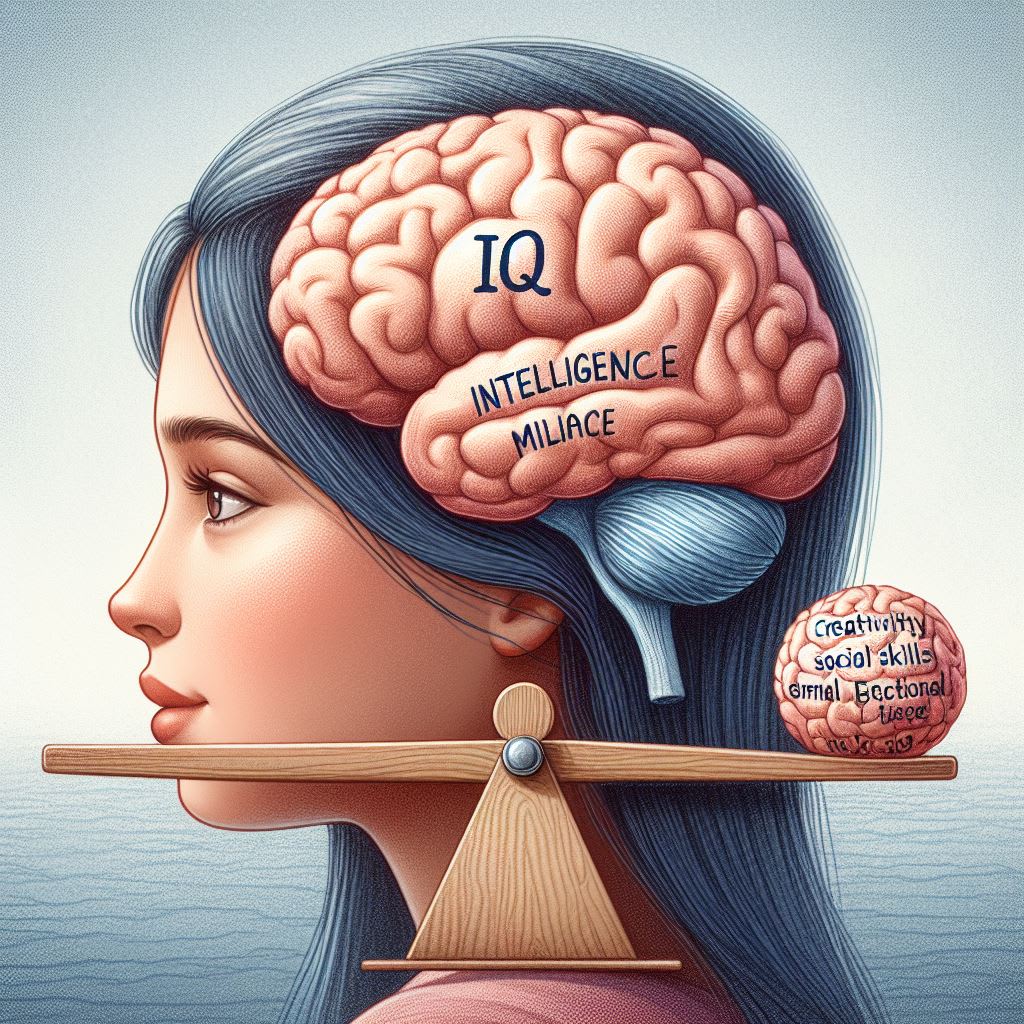
In the realm of human intellect, IQ (Intelligence Quotient) has long held the spotlight as a measure of cognitive abilities. But what exactly is IQ, and does it hold substantial weight in defining intelligence? Let's delve into this intriguing aspect of human cognition to unravel its significance and limitations.
The Basics of IQ
IQ, in its essence, is a numerical representation of a person's cognitive abilities. It gauges various cognitive skills, including problem-solving, reasoning, memory, and linguistic capabilities. Initially introduced by Alfred Binet in the early 20th century, IQ tests have evolved over time to assess and quantify intelligence.
Measuring Intelligence
However, the concept of intelligence is multifaceted and extends beyond the confines of a standardized test. IQ tests primarily focus on specific cognitive domains, potentially overlooking various other aspects that contribute to an individual's intellectual prowess. Emotional intelligence, creativity, adaptability, and practical skills often stand beyond the reach of traditional IQ assessments.
The Debate: Does IQ Truly Matter?
The question of whether IQ truly matters sparks a heated debate among psychologists, educators, and researchers. While a high IQ can indicate certain cognitive abilities, it's not the sole determinant of success or intellectual superiority. Many argue that intelligence encompasses a broader spectrum, where diverse skills and capabilities play crucial roles.
IQ and Success
Undoubtedly, IQ can influence academic achievements and certain professional endeavours. Individuals with higher IQ scores might excel in structured academic settings or analytical professions. However, success in life is a conglomerate of multiple factors, including perseverance, emotional intelligence, social skills, and practical knowledge.
Beyond IQ: Embracing Diversity in Intelligence
Acknowledging the limitations of IQ as the sole metric of intelligence is pivotal. Embracing diverse forms of intelligence allows for a more comprehensive understanding of human capabilities. Creativity, empathy, adaptability, and resilience stand as pillars of intelligence, contributing significantly to personal and societal advancements.
Conclusion: Rethinking Intelligence Beyond IQ
In conclusion, while IQ serves as a quantifiable measure of certain cognitive abilities, it's crucial not to confine intelligence within its boundaries. True intelligence encompasses a multitude of skills and capabilities, each playing a vital role in shaping an individual's journey and contributions to society. Embracing the diversity of intelligence enriches our understanding of human potential and fosters holistic growth.
As we navigate the complexities of human cognition, valuing various forms of intelligence beyond IQ amplifies our appreciation for the richness and diversity of human intellect.
Remember, intelligence is vast and varied, and it's this diversity that fuels innovation, progress, and the beauty of our collective human experience.
The article was originally published here.
About the Creator
IQ Metrics
IQMetrics.org is a comprehensive platform offering insightful resources on IQ testing, assessments, and understanding intelligence metrics.
http://iqmetrics.org
Keep reading
More stories from IQ Metrics and writers in Chapters and other communities.
What Does an Actual IQ Test Look Like?
Ever wondered what happens behind the closed doors of an IQ testing session? Demystifying the process and understanding what an actual IQ test looks like can alleviate anxieties and provide valuable insights. So, buckle up, curious minds, as we embark on a journey through the world of IQ assessments!
By IQ Metrics2 years ago in Chapters
Review of 'Man on the Run'
My wife and I saw Man on the Run, a nearly 2-hour documentary on Amazon Prime, about Wings, Paul McCartney's group that flew around the world from shortly after The Beatles broke up in early 1970 to shortly after John Lennon was murdered at the end of 1980, making a Beatles reunion forever impossible.
By Paul Levinson6 days ago in Beat




Comments
There are no comments for this story
Be the first to respond and start the conversation.