

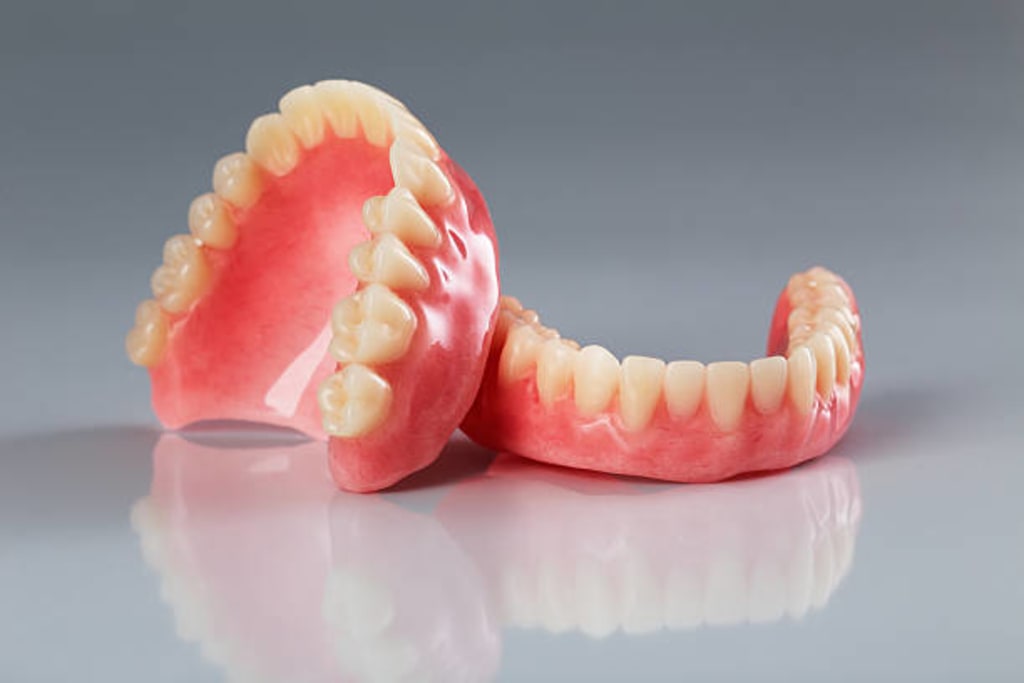
When it comes to restoring your smile and improving oral function after tooth loss, dentures are a popular and effective solution. Whether you're missing a few teeth or a full set, dentures can offer both cosmetic and functional benefits, helping you eat, speak, and smile with confidence again. In this blog, we will explore everything you need to know about dentures, from the different types to the process of getting them and tips for proper care.
What Are Dentures?
Dentures are removable dental appliances designed to replace missing teeth. They are custom-made to fit your mouth and look like natural teeth. Made from acrylic, porcelain, or a combination of materials, dentures can be either partial or full, depending on your needs. Partial dentures are used when some natural teeth remain, while full dentures replace an entire set of teeth.
Types of Dentures
Complete Dentures: Complete dentures are used when all teeth are missing in the upper or lower jaw (or both). These dentures fit over the gums and are designed to provide a natural-looking smile. They are typically placed after the gums have healed following tooth extractions.
Partial Dentures: If you still have some healthy natural teeth, partial dentures are an ideal solution. These dentures fill in the gaps where teeth are missing, and they are typically anchored to your existing teeth using metal clasps or precision attachments.
Implant-Supported Dentures: Implant-supported dentures are a more secure and long-lasting option. In this type, dental implants are surgically placed into the jawbone to provide a stable foundation for the dentures. This type of denture offers superior comfort and functionality, reducing the risk of slippage and gum irritation.
Flexible Dentures: Flexible dentures are made from a more pliable material, offering more comfort and a better fit than traditional acrylic dentures. They are often chosen by people who want a lightweight, durable option that moves with their mouth and feels more natural.
Immediate Dentures: Immediate dentures are placed as soon as your teeth are extracted. These dentures allow you to have teeth right away, but they may require adjustments as your gums heal and change shape over time.
The Denture Process
Getting dentures is a detailed process that typically takes a few weeks. Here is a breakdown of what to expect when getting dentures:
Initial Consultation: The first step is scheduling an appointment with a dentist or prosthodontist. During this consultation, the dentist will examine your mouth, take X-rays, and discuss your needs and preferences. The dentist will also take impressions of your mouth, which will be used to create a mold for your dentures.
Creating the Dentures: After your impressions are taken, the dental laboratory will craft your dentures based on the mold. The dentist may also work with you to determine the shape, size, and color of your new teeth to ensure they look natural and match your facial structure.
Fitting and Adjustments: Once your dentures are ready, you will return to the dentist for a fitting. The dentist will make sure the dentures fit properly and make any necessary adjustments to ensure comfort and functionality. This step is crucial, as poorly fitting dentures can cause discomfort, sore spots, or difficulty eating and speaking.
Follow-up Visits: After you start wearing your dentures, you will likely need follow-up visits to make adjustments and check how well they are fitting. Your mouth may change shape over time, so your dentures might need to be relined or remade to maintain a proper fit.
Benefits of Dentures
There are several benefits to wearing dentures, including:
Improved Appearance: Dentures restore your smile and help you feel more confident in your appearance. Modern dentures are designed to look as natural as possible, blending seamlessly with your existing teeth and enhancing your facial features.
Better Oral Function: Missing teeth can make it difficult to chew, speak, or smile comfortably. Dentures help restore these functions, making it easier to eat your favorite foods, speak clearly, and laugh without embarrassment.
Preserving Facial Structure: The loss of teeth can lead to sagging facial muscles and a sunken appearance. Dentures help support your facial structure, keeping your cheeks and lips lifted and preventing the hollow look that can result from tooth loss.
Enhanced Confidence: Whether you're at work, socializing, or dining out, dentures help you feel more comfortable and confident in your day-to-day life. You'll no longer have to worry about gaps in your smile or trouble chewing your food.
Cost-Effective Option: Compared to dental implants or other restorative procedures, dentures are often a more affordable option for individuals who need to replace missing teeth.
Caring for Your Dentures
Proper care and maintenance are essential to ensuring that your dentures last for years and continue to function well. Here are some important tips for caring for your dentures:
Clean Regularly: Clean your dentures daily using a soft brush and denture cleaner. Avoid using regular toothpaste, as it can be too abrasive and damage the surface of the dentures. Be gentle when brushing to avoid bending or breaking them.
Soak Overnight: When you're not wearing your dentures, soak them in a denture solution or water to keep them moist. This helps prevent them from drying out and losing their shape.
Handle with Care: Dentures can be fragile, so always handle them carefully. Place a towel or cloth in the sink when cleaning your dentures to avoid them breaking if dropped.
Regular Dental Checkups: Even if you wear dentures, it's important to continue visiting your dentist for regular checkups. Your dentist will monitor the fit of your dentures, assess your oral health, and make any necessary adjustments.
Avoid Harmful Foods and Habits: While dentures allow you to enjoy a variety of foods, avoid sticky, hard, or very chewy foods that can damage them. Also, try not to bite down on objects like pens or fingernails.
Conclusion
Dentures are a practical and effective solution for individuals experiencing tooth loss, offering both functional and cosmetic benefits. Whether you need full or partial dentures, the process of getting them involves careful planning, customization, and regular maintenance to ensure that they provide long-lasting comfort and support. If you're considering dentures, consult with your dentist to explore the best options for your specific needs and lifestyle.
About the Creator
Wise Dental
Wise Dental is the best clinic in Bridgeport TX. We are committed to offering general dentistry, cosmetic dentistry and dental braces services.Our team of expert dentists is pledged to serve patients with all their dental care requirements.
Keep reading
More stories from Wise Dental and writers in Chapters and other communities.
A Comprehensive Approach to Understanding Dental Emergencies
A dental emergency is no laughing matter. It does not leave you with the luxury to book an appointment and wait for treatment. Unbearable pain in teeth or gums, broken teeth due to a sports injury or a road accident, or uncontrolled bleeding for any reason can result in a dental emergency.
By Wise Dental2 years ago in 01
Fair Exchange, No Robberies
Dark Memoirs - Index There are at least two kinds of people in the world: those who write this half-arsed kind of intro to a story that looks to separate the rare and the norm, and those who realise it's an overused framing device and don't.
By Paul Stewart16 days ago in Chapters


Comments
There are no comments for this story
Be the first to respond and start the conversation.