
Understanding Dental Braces: A Comprehensive Guide
Dental Braces
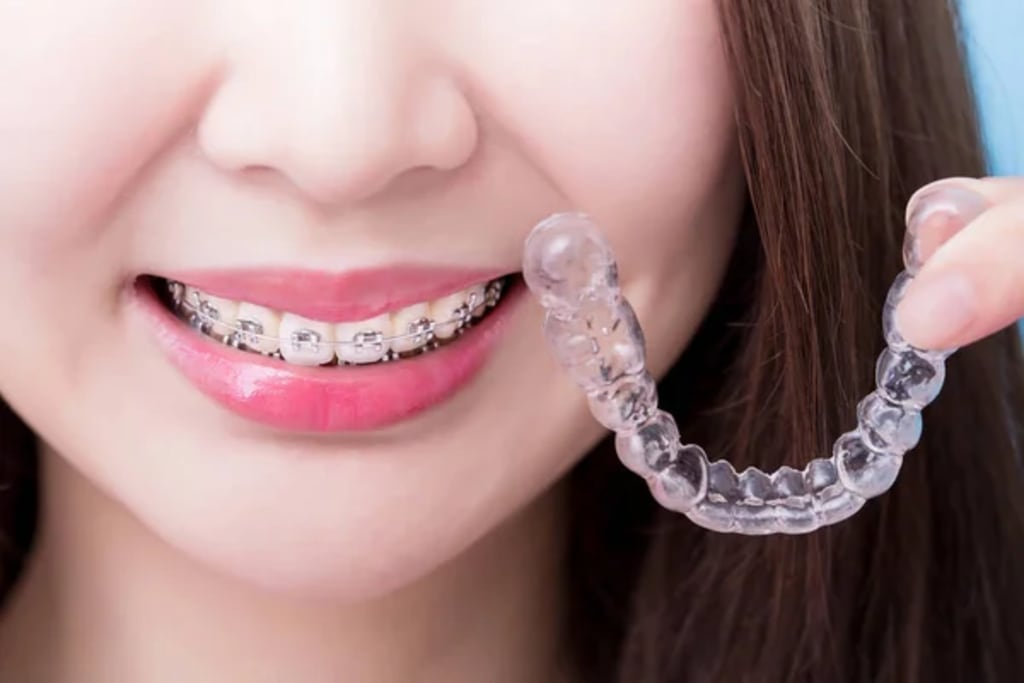
Dental braces have been a cornerstone of orthodontic treatment for decades, helping countless individuals achieve straighter teeth and improved oral health. If you're considering braces for yourself or a loved one, it's essential to understand what they are, how they work, and the various options available. This guide will provide you with a comprehensive overview of dental braces.
What Are Dental Braces?
Dental braces are devices used in orthodontics that align and straighten teeth. They correct issues like overcrowding, misalignment, gaps, and bite problems, such as overbites or underbites. The primary components of braces include brackets, archwires, and bands, which work together to exert pressure on the teeth and gradually move them into the desired position.
Components of Dental Braces
Brackets: These are the small squares bonded directly to the front of each tooth. They hold the archwire in place and can be made from metal, ceramic, or plastic.
Archwires: These are thin metal wires that connect the brackets. They provide the main force to move the teeth and are adjusted regularly throughout treatment.
Bands: These are metal rings placed around the back teeth (molars) to anchor the archwire and provide additional support.
Elastics: Often referred to as rubber bands, these connect brackets and help adjust the position of the teeth and jaw.
Additional Appliances: Depending on the specific needs of the patient, other devices such as spacers, headgear, or retainers may also be used.
Types of Dental Braces
Over the years, various types of braces have been developed to cater to different aesthetic preferences and orthodontic needs. Here are the most common types:
1. Metal Braces
Metal braces are the most traditional and widely used type. Made from stainless steel, they are durable and effective. While they are more noticeable than other options, advancements in design have made them smaller and more comfortable than in the past.
2. Ceramic Braces
Ceramic braces function similarly to metal braces but are made from clear or tooth-colored materials, making them less visible. They are a popular choice for adults and teens who want a more discreet option. However, they can be more fragile and may require more care to prevent staining.
3. Lingual Braces
Lingual braces are placed on the back of the teeth, making them invisible from the front. This option is ideal for those who want to maintain a natural appearance while undergoing treatment. However, they can be more challenging to clean and adjust.
4. Clear Aligners
Clear aligners, such as Invisalign, are a modern alternative to traditional braces. These custom-made, removable trays gradually shift teeth into place. They offer the benefit of being virtually invisible and can be removed for eating and cleaning. However, they may not be suitable for all orthodontic issues.
The Process of Getting Braces
If you decide to pursue braces, here’s what you can expect during the process:
1. Initial Consultation
Your journey begins with an initial consultation with an orthodontist. They will evaluate your dental health, take X-rays, and discuss your treatment goals. This step is crucial for determining the best type of braces for your needs.
2. Treatment Plan
Once your orthodontist has gathered all necessary information, they will create a personalized treatment plan. This plan outlines the estimated duration of treatment, types of braces, and any additional procedures required.
3. Fitting
The fitting process involves bonding brackets to your teeth, inserting the archwire, and securing everything in place. This process typically takes about an hour, and you may experience some discomfort as your teeth begin to shift.
4. Regular Adjustments
After getting braces, you will need to return to the orthodontist every 4 to 6 weeks for adjustments. During these visits, the orthodontist will tighten the archwires and make any necessary modifications to keep the treatment on track.
5. Retainers
Once your braces are removed, you will likely need to wear a retainer to maintain your new smile. Retainers help prevent teeth from shifting back to their original positions.
Benefits of Dental Braces
The benefits of dental braces extend beyond aesthetics. Here are some key advantages:
Improved Oral Health: Straightening your teeth can make brushing and flossing easier, reducing the risk of cavities and gum disease.
Enhanced Functionality: Properly aligned teeth improve bite function, making it easier to chew and speak.
Boosted Confidence: A straighter smile can enhance self-esteem and encourage better social interactions.
Conclusion
Dental braces are a powerful tool in achieving a healthier and more attractive smile. With various options available, it's important to consult with an orthodontist to determine the best choice for your unique situation. Whether you opt for traditional metal braces or modern clear aligners, the end result will be well worth the effort. Embrace the journey toward a straighter smile, and enjoy the numerous benefits that come with it!
About the Creator
Keep reading
More stories from writers in Chapters and other communities.
The Cave Part 6
If you have ever heard a tale about yourself that you cannot remember and doubtless think is made up, you will know how I felt when Tharkin related all that the eagle had seen of me before my memories were scattered. Of far distances and traveling companions that I did not recall, camping out under the stars and making our way to the mountains with deliberate purpose. The great bird had lost contact with my party once we entered the forests, and the seven other members were not seen again by him or his brethren since.
By Jamye Sharp27 days ago in Chapters
Awakening in the Soil
My Awakening Did Not Happen in Meditation For many years, I believed that spiritual awakening was something that had to be found somewhere outside myself. Like many seekers, I imagined it as a destination a place reached through long hours of meditation, silent retreats, and the guidance of spiritual masters.
By Sivakumar Micheal5 days ago in Chapters


Comments
There are no comments for this story
Be the first to respond and start the conversation.