
U.S.-Russia Relations: A Step Toward Peace or Controversy?
In February 2025, global attention turned to Riyadh, Saudi Arabia, where an unexpected and high-stakes U.S.-Russia summit took place. The focus of the discussions was the ongoing conflict in Ukraine, which has gripped the world for over a decade.
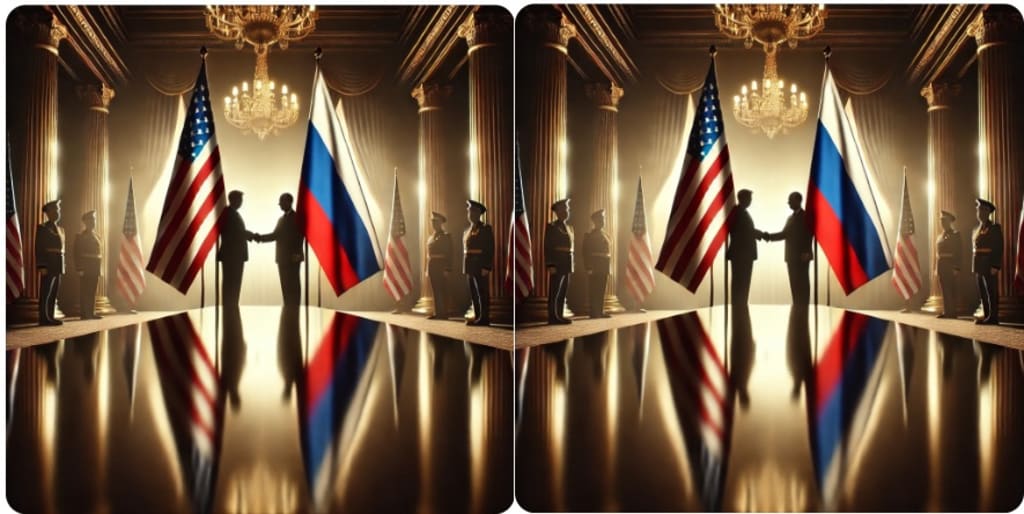
U.S.-Russia Relations: A Step Toward Peace or Controversy?
In February 2025, global attention turned to Riyadh, Saudi Arabia, where an unexpected and high-stakes U.S.-Russia summit took place. The focus of the discussions was the ongoing conflict in Ukraine, which has gripped the world for over a decade. President Donald Trump expressed confidence in Russian President Vladimir Putin's commitment to a peace deal, a statement that sparked both hope and skepticism among international observers. Notably, Ukrainian representatives were absent from the talks, raising concerns about the legitimacy and inclusivity of the proposed solutions.
The Summit's Context
The U.S.-Russia summit in Riyadh was a product of weeks of secret negotiations. Saudi Arabia’s Crown Prince Mohammed bin Salman played a pivotal role in mediating the discussions, providing a neutral ground for dialogue between two of the world’s most powerful nations. The choice of Riyadh as the location was symbolic, representing a shift in diplomatic dynamics where Middle Eastern nations increasingly assert themselves as key players in global politics.
The Ukraine conflict, which began in 2014 with Russia's annexation of Crimea, has since escalated into a prolonged and bloody war. Multiple attempts at brokering peace have failed, with mistrust and conflicting interests among stakeholders often derailing progress. The Riyadh summit aimed to break this cycle by bringing together two primary actors: the United States and Russia. However, the absence of Ukrainian officials cast a shadow over the proceedings.
Trump's Confidence in Putin
President Trump's statement following the summit, expressing confidence in Putin’s commitment to a Ukraine peace deal, was met with mixed reactions. Trump emphasized that Putin had given his word to work toward de-escalation and eventual withdrawal of Russian forces from contested territories.
“I believe President Putin wants peace just as much as we do,” Trump declared during a press conference. “He understands the cost of continued conflict and has assured me that he’s committed to finding a solution that benefits all parties involved.”
Critics, however, were quick to question the validity of these assurances. Putin’s past actions, including the annexation of Crimea and continued military support for separatist forces in Eastern Ukraine, have fostered deep mistrust in his intentions. Some analysts viewed Trump’s confidence as naïve, while others saw it as a calculated risk aimed at opening a new chapter in U.S.-Russia relations.
Ukrainian Exclusion: A Controversial Decision
Perhaps the most contentious aspect of the Riyadh summit was the exclusion of Ukrainian representatives. The decision to leave Ukraine out of negotiations about its own future sparked outrage in Kyiv and among its allies. Ukrainian President Volodymyr Zelenskyy issued a sharp rebuke, stating, “Any discussions about Ukraine without Ukraine are fundamentally flawed. Our sovereignty and territorial integrity cannot be negotiated without our participation.”
The exclusion also raised broader questions about the ethics of international diplomacy. Critics argued that sidelining Ukraine undermined its agency and risked legitimizing Russia’s actions. Proponents of the summit, however, defended the decision as a pragmatic move to facilitate dialogue between the U.S. and Russia without the complications of multiple actors at the table.
Reactions from the International Community
The international response to the Riyadh summit was deeply divided. European nations, particularly those in Eastern Europe, expressed alarm over the lack of Ukrainian involvement. Poland and the Baltic states issued joint statements emphasizing the importance of preserving Ukraine’s sovereignty and warning against concessions that could embolden Russian aggression.
Meanwhile, China, which has maintained a cautious stance on the Ukraine conflict, welcomed the talks as a potential step toward stability. Chinese officials highlighted the importance of reducing tensions between major powers and avoiding further escalation of the conflict.
Within the United States, reactions were similarly polarized. Supporters of President Trump praised his efforts to engage Russia diplomatically and pursue peace. They argued that previous administrations’ approaches had failed to yield results and that bold action was necessary. Opponents, however, accused Trump of capitulating to Putin and undermining U.S. credibility as a defender of democratic values.
The Challenges Ahead
Despite the optimism expressed by Trump, significant challenges remain in achieving a lasting peace in Ukraine. Key issues include the status of Crimea, the future of separatist-held territories in Eastern Ukraine, and the need for accountability for war crimes and human rights violations. Resolving these issues requires not only Russian cooperation but also the involvement of Ukraine and its allies.
Moreover, the lack of transparency surrounding the summit’s discussions has fueled speculation about potential secret agreements. Some analysts fear that concessions may have been made at Ukraine’s expense, such as recognition of Russian control over Crimea or reduced Western support for Kyiv.
The Role of Saudi Arabia
Saudi Arabia’s role in hosting the summit highlights its growing influence in global diplomacy. The Kingdom has positioned itself as a mediator in various conflicts, leveraging its economic power and strategic alliances. While Riyadh’s involvement in the U.S.-Russia talks was largely seen as positive, some questioned whether its interests aligned with those of Ukraine or the broader international community.
Conclusion
The U.S.-Russia summit in Riyadh marked a significant moment in the ongoing efforts to resolve the Ukraine conflict. While President Trump’s confidence in Putin’s commitment to peace offers a glimmer of hope, the exclusion of Ukraine from the talks underscores the complexities and controversies of international diplomacy. As the world watches closely, the success or failure of this initiative will have far-reaching implications for the future of Ukraine, U.S.-Russia relations, and global stability.
About the Creator
MOHAMMED NAZIM HOSSAIN
captivating storyteller and talented music lyricist whose creative journey has touched the hearts of many. With a passion for weaving intricate narratives and crafting unforgettable melodies,
Keep reading
More stories from MOHAMMED NAZIM HOSSAIN and writers in Chapters and other communities.
Shadows of Resentment
Chapter 1: A Dangerous Whisper The darkness draped over the small town of Millersville like a heavy fog. Lately, it felt as though the townsfolk were living under a malignant spell, filled with secrets, mistrust, and an overwhelming sense of dread. Among them stood Sarah Carter, a fearless journalist with a spirit like wildfire, igniting the mundane with her investigative flair. However, even she felt the chill creeping into her bones as the whisperings of discontent grew louder and more menacing around her.
By MOHAMMED NAZIM HOSSAIN12 months ago in Chapters




Comments
There are no comments for this story
Be the first to respond and start the conversation.