
Transforming the Property Market: Real Estate Software Development Trends in 2025
Harnessing Cutting-Edge Software Solutions to Stay Competitive in the Real Estate Market

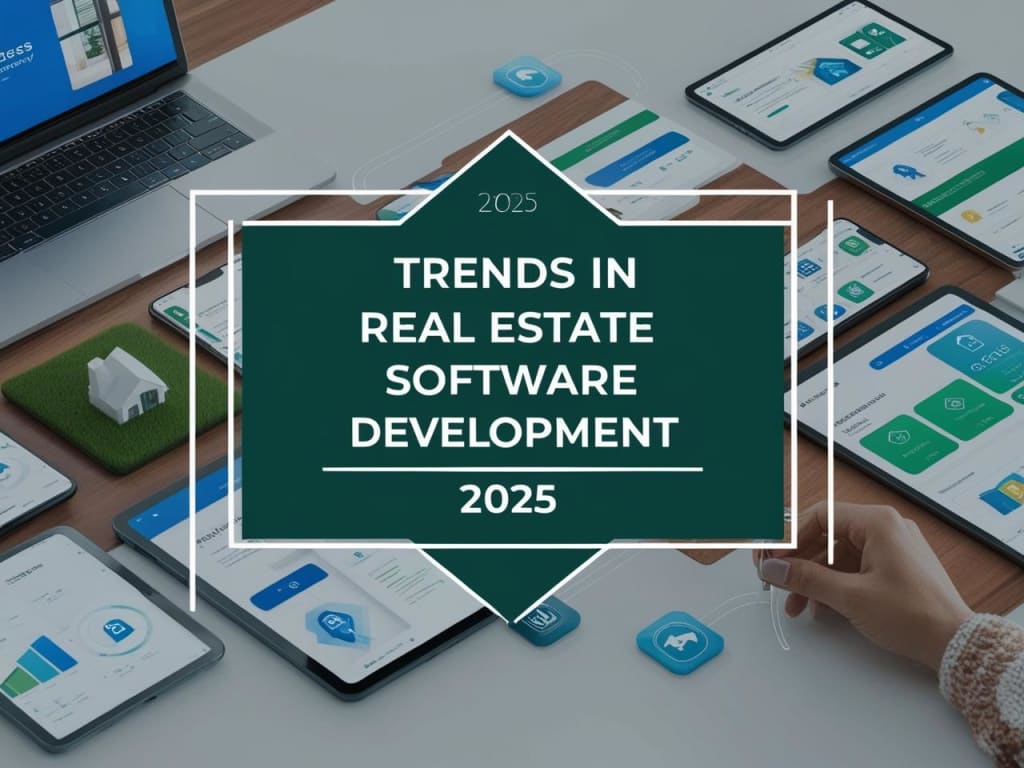
The property market is no longer just about bricks and mortar. It’s about how technology is revolutionizing how we buy, sell, and manage properties. As we dive into 2025, real estate software development services are at the forefront of this transformation. These services are changing how agents, investors, and property managers work, creating smarter, more efficient solutions.
If you're a mobile app developer, software developer, or tech startup founder, this post is for you. It will explore the exciting trends in real estate software development and how they’re shaping the future of the industry. Let’s dig in!
1. The Evolution of Real Estate Software in 2025
Technology has always played a significant role in real estate, but things are evolving faster than ever before. In 2025, we’re seeing a significant shift toward more custom real estate software solutions. Businesses want solutions that match their unique needs—no more one-size-fits-all software. Tailored, innovative platforms are being created to help real estate businesses stand out and thrive.
For example, a real estate agent might use a custom CRM to track leads, monitor communication with clients, and automate follow-up emails. Instead of manually entering information, these systems use smart automation to save time and effort. The more specific a solution is to a business's needs, the more effective it becomes.
Gone are the days of relying on generic software. Today, businesses need solutions that are designed just for them—solutions that can scale with their growth and integrate with other systems they already use.
2. Key Real Estate Software Development Services in 2025
Let’s take a look at some of the key services driving this change in real estate software development.
Real Estate App Development Services
Mobile apps are quickly becoming the go-to for everything in real estate. Real estate app development services allow users to search listings, book tours, and even complete transactions right from their phones. This shift to mobile-first solutions is helping both buyers and sellers have a seamless experience.
For example, imagine a buyer using an app to browse homes, track changes in property prices, and access virtual tours—all on their mobile device. Not only is this convenient, but it also keeps potential clients engaged in a way that a desktop site simply can’t.
Property Management Software Development
Managing properties can be a huge challenge, especially if you're dealing with hundreds or even thousands of units. That’s where property management software development comes in. Today’s property management systems are more than just spreadsheets—they're fully integrated platforms that handle everything from tracking rent payments to scheduling maintenance requests.
Take, for example, a property management company that manages multiple buildings. Instead of juggling paperwork or using separate systems for each task, they now use software that automates and centralizes everything. Rent is automatically tracked, maintenance requests are submitted and handled quickly, and tenants receive automated reminders for payments.
This not only saves time, but it also reduces the chance of errors, keeping everything running smoothly and allowing property managers to focus on higher-level tasks.
Real Estate SaaS Solutions
The rise of real estate SaaS solutions has also been a game-changer. With Software as a Service (SaaS), real estate businesses don’t have to worry about complex server setups or hefty upfront costs. Instead, they can access powerful software tools through the cloud, paying only for what they use.
For a startup in real estate, SaaS makes it easy to scale. Suppose you’re a small agency just starting out. With a SaaS platform, you can start using a basic CRM or property management tool, and then easily upgrade as your business grows without needing to worry about investing in expensive infrastructure or software licenses.
Real Estate CRM Development
When it comes to staying connected with clients, real estate CRM development is a crucial tool. Customer Relationship Management (CRM) software allows real estate agents to keep track of all their leads, manage customer communications, and even automate outreach.
For instance, imagine an agent who uses a CRM to monitor interactions with potential buyers. When a new listing goes live, the system automatically sends out a targeted email to the buyers who have shown interest in similar properties. This level of automation not only saves time but also helps agents close deals faster.
3. Real Estate Software for Startups: Opportunities and Challenges
The startup world is all about agility, flexibility, and innovation—and real estate software for startups is no different. Whether you’re a fresh-faced startup or an established player in the industry, the right software can help you get ahead and stay competitive.
Building a Strong Foundation with Real Estate Software Solutions
For startups, flexibility is key. That’s why custom real estate software solutions are becoming so popular. Startups don’t need a full-fledged system from day one—they need something that grows with them.
Imagine you’re a new real estate firm focused on high-end properties. You need a platform that can offer unique features, like virtual reality tours or interactive floor plans, so clients can experience the property before stepping foot inside. Off-the-shelf software won’t provide that flexibility, but a custom solution will.
Real Estate Software as a Service (SaaS) for Startups
Real estate SaaS solutions are perfect for startups because they allow you to scale without the heavy lifting. As your business grows, you can easily integrate new features or tools. With SaaS, you don’t have to worry about server maintenance or investing in expensive IT infrastructure.
For example, a startup using a real estate CRM SaaS platform can quickly grow into new markets without needing to worry about managing the software backend. They can focus on acquiring clients, while the software handles the technical side of things.
4. Building Comprehensive Real Estate Platforms
Real estate is moving toward all-in-one platforms that integrate listings, transactions, and client communication into one seamless experience. This trend is particularly beneficial for both businesses and clients, as it simplifies every part of the process.
Real Estate Platform Development
Real estate platform development is all about creating comprehensive systems that bring all aspects of real estate into one place. Imagine a platform where you can search for properties, book viewings, apply for loans, and even sign contracts—without having to leave the site. These platforms streamline the user experience and help businesses stay competitive by offering a one-stop-shop.
For instance, a real estate platform might allow buyers to filter listings by various criteria, such as price, location, and amenities. Then, they can use the same platform to schedule a viewing, get mortgage pre-approval, and even book a moving service.
Real Estate Website Development Services
In addition to mobile apps and platforms, real estate website development services remain crucial. A well-designed website can serve as the foundation for all of your digital marketing efforts. It needs to provide key information about listings, show high-quality images, and enable smooth navigation for users.
A successful real estate website will provide an intuitive search function, high-quality photos of properties, and an easy way to contact agents. Plus, with tools like virtual tours or 360-degree images, it becomes easier for clients to view properties without leaving their home.
5. The Role of CRM in Real Estate: Streamlining Customer Interactions
At the heart of any successful real estate business is strong client relationships. That’s where real estate CRM development comes into play. A CRM system lets agents manage leads, track communications, and automate follow-ups, all in one place.
Consider an agent who uses a CRM system to track a client’s preferences and automatically suggests new listings based on their interests. The system could also remind the agent to follow up with the client after a viewing, making the process smoother and more personal.
6. Future Trends in Real Estate Software Development
As we move forward into 2025 and beyond, technology will continue to play a huge role in real estate.
AI and Automation in Real Estate
The future of real estate software lies in AI-powered solutions. Real estate app development services are increasingly incorporating artificial intelligence to personalize the user experience. For example, apps might use AI to recommend properties based on the user’s search history, location, and preferences.
Automation is also becoming more widespread. Property management software now handles routine tasks like rent collection and maintenance scheduling, freeing up time for property managers to focus on more complex tasks.
Blockchain Technology for Real Estate
Blockchain is another emerging trend in real estate. Real estate platform development powered by blockchain can provide a higher level of transparency and security. Blockchain enables secure, tamper-proof transactions, which is crucial in a market where trust is paramount.
7. Why Invest in Real Estate Software Development?
Investing in real estate software development services can be one of the best decisions for any property business. Whether you’re a startup or a large agency, the right software solution can streamline operations, enhance customer satisfaction, and give you a competitive edge.
Custom solutions provide businesses with flexibility. With real estate software for startups, businesses can adapt and evolve as needed, giving them a significant advantage over competitors who are using generic software.
Conclusion: Embrace the Future of Real Estate
In 2025, the property market is being transformed by technology. From real estate app development services to custom real estate software solutions, businesses are investing in smarter, more efficient tools that enhance both their operations and customer experiences.
The future is clear: to stay ahead in the competitive real estate landscape, embracing technology is essential. Whether you're looking to improve property management, connect with clients, or build comprehensive platforms, investing in the right software will help you stay at the forefront of the industry.
So, if you’re ready to embrace the future of real estate, start exploring the software solutions that can take your business to the next level.
About the Creator
LBM Solution
LBM Solution is a top provider of cutting-edge Mobile App Solutions and blockchain services for businesses and government organizations globally. We assist our clients in overcoming complex business challenges
Keep reading
More stories from LBM Solution and writers in Chapters and other communities.
Enterprise Application Development Services: The Ultimate Guide for Mobile & Software Developers
In today’s fast-paced business world, enterprise applications are more than just tools – they are the backbone of a company’s daily operations. Whether you're a mobile app developer, software engineer, or tech startup founder, understanding enterprise application development services is key to building solutions that drive growth, efficiency, and innovation.
By LBM Solution11 months ago in Chapters
Search for a Sister, Chapter Two
4-H-N heard not a word about her secret mission around Headquarters over the following days, so had to conclude either Mini-Flash Phytolith hadn’t been listening in after all, or she’d misjudged him. She hoped it was the latter, as she wanted the pair of them to get on, even if he wasn’t going out of his way to make it easy for her.
By Doc Sherwood20 days ago in Chapters
Businesswoman 359
A trail of vodka like a transparent blood line on the floor. Socialista picked up the bottle and chugged. “We’ve gotta hit them with the idea that we’re prepared to knock over their rocket. It’s against the environment and the welfare of the Earth,” Socialista swallowed and announced.
By Skyler Saunders3 days ago in Chapters



Comments
There are no comments for this story
Be the first to respond and start the conversation.