
Top 5 Foods That Will Keep Your Brain Healthy
It's amazing how our food can help our brains work better!
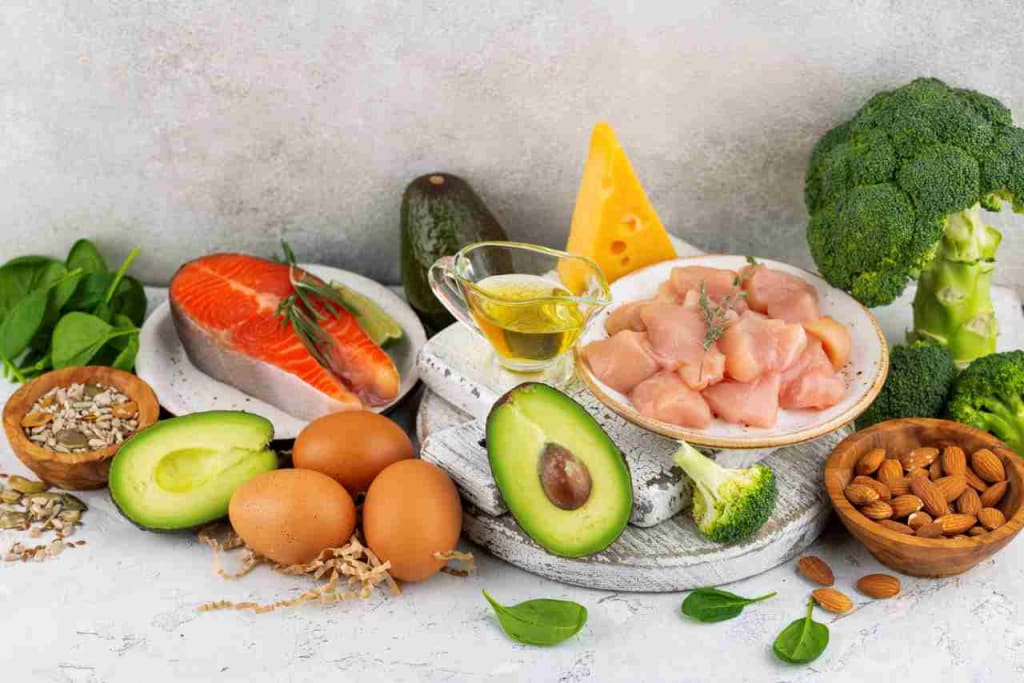
Just like the rest of our body needs good food to be strong, our brain needs special nutrients to stay sharp, remember things, and think clearly. Eating certain foods can even help protect our brain as we get older. Here are 5 kinds of foods that are super helpers for your brain, explained in a simple way.
1. Fatty Fish: Like Brain Food Power Packs!
Think of fish like salmon, mackerel, sardines, and trout. These are called "fatty fish" because they have good fats called omega-3 fatty acids. Our brains are actually made of a lot of fat, and a big part of that is omega-3s!
Why are omega-3s so good for the brain? They are like building blocks for brain cells. They help the cells in our brain talk to each other better. This is super important for learning new things and remembering old things.
Omega-3s also help calm down swelling in the body, including in the brain. Too much swelling isn't good for our brain over time. By reducing swelling, these fatty acids help keep the brain healthy and can even lower the chance of getting problems like memory loss later in life.
2. Berries: Little Fruits Full of Brain Protection!
Strawberries, blueberries, raspberries, blackberries – all these colorful berries are like little treasures for your brain. They are packed with something called antioxidants.
What do antioxidants do? Imagine your body is like a car, and just from running, it creates some messy stuff called "free radicals" that can cause damage over time. Antioxidants are like little clean-up crews that get rid of these free radicals and protect your cells, including your brain cells, from damage.
Berries are really good at protecting the brain from stress and swelling. Some of the antioxidants in berries, especially in blueberries, seem to be really good at helping brain cells talk to each other and improving memory. Some studies have shown that eating berries might even help slow down the kind of memory loss that can happen as people get older.
3. Nuts and Seeds: Small but Mighty for Your Mind!
Nuts like walnuts, almonds, and hazelnuts, and seeds like sunflower seeds and pumpkin seeds, are small but they have a big impact on brain health. They have healthy fats, antioxidants, and vitamins that are good for your brain.
Walnuts are often called "brain food" because they even look a bit like a tiny brain! They have a good amount of omega-3 fatty acids, like fatty fish. Other nuts and seeds are full of Vitamin E, which is another important antioxidant that helps protect brain cells from damage as you age.
4. Leafy Green Vegetables: Your Brain's Green Guardians!
Think about spinach, kale, broccoli, and other green leafy vegetables. Your parents always told you to eat your greens, and they were right, especially for your brain!
These vegetables are full of vitamins, like Vitamin K, lutein, and folate. These vitamins are important for brain health. For example, Vitamin K helps with memory. Folate is important for brain development and function, and getting enough of it might help with mood too.
Leafy greens also have those helpful antioxidants that protect your brain cells. Studies have shown that people who eat leafy green vegetables often have a slower rate of brain aging compared to those who don't eat them as much.
5. Dark Chocolate: A Sweet Treat for a Smarter Brain!
Good news for chocolate lovers! Dark chocolate, the kind with more cocoa in it, can be good for your brain in small amounts. It has something called flavonoids, which are a type of antioxidant found in plants.
These flavonoids in dark chocolate can help improve blood flow to the brain. When your brain gets good blood flow, it gets more oxygen and nutrients, which helps it work better. This can help with things like focus, memory, and solving problems.
About the Creator
Keep reading
More stories from writers in Chapters and other communities.
How Can Lives Have Fantastic Hobbies
As we live the lives that we want to live with the hobbies that we want in them, what happens? Are all lives fantastic because of one certain thing or multiple different things? When we look at the lives that we live and the hobbies we do in them, do we find that our lives are fantastic? What is it that makes lives fantastic, is it the hobbies that we do in them to make them what they are? Yes I just made you think, but that is the point of this post. I would say that living life with the hobbies that we have in them can make the hobbies great and our lives fantastic when the two of them are used together. The more we live our lives with the hobbies we enjoy in the more the hobbies are great and we are living the lives that we want which make them fantastic.
By Louise Barraco6 days ago in Chapters



Comments
There are no comments for this story
Be the first to respond and start the conversation.