
The UK Stock Market: A Comprehensive Overview
Structure of the UK Stock Market
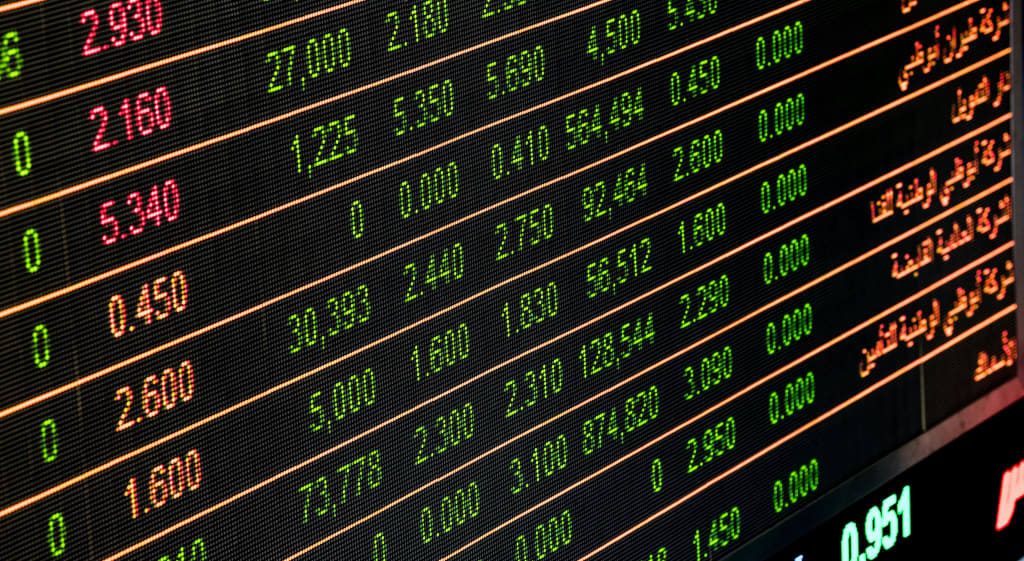
The stock market is a cornerstone of the global financial system, and the United Kingdom boasts one of the oldest and most influential stock exchanges in the world. The London Stock Exchange (LSE), founded in 1801, is the heart of the UK stock market and serves as a hub for domestic and international investors. This essay explores the structure, significance, and functioning of the UK stock market, its key indices, regulatory framework, and its role in the global economy.
Structure of the UK Stock Market
The UK stock market is primarily centered around the London Stock Exchange (LSE), which is one of the largest stock exchanges in the world by market capitalization. The LSE provides a platform for companies to raise capital by issuing shares and for investors to trade these shares. The exchange is divided into two main markets:
Main Market: This is the primary market for larger, more established companies. It includes the FTSE 100, FTSE 250, and FTSE 350 indices, which track the performance of the largest companies listed on the LSE. Companies listed on the Main Market must meet stringent regulatory and financial requirements.
Alternative Investment Market (AIM):
AIM is a sub-market of the LSE designed for smaller, growing companies. It has less stringent listing requirements, making it an attractive option for startups and smaller firms seeking to raise capital. While AIM-listed companies are often riskier investments, they also offer the potential for higher returns.
In addition to the LSE, the UK stock market also includes other trading platforms such as the International Stock Exchange (TISE) and multilateral trading facilities (MTFs) like Turquoise and Chi-X Europe.
Key Indices
The performance of the UK stock market is often measured by its key indices, which track the value of a selection of companies listed on the LSE. The most prominent indices include:
FTSE 100: The Financial Times Stock Exchange 100 Index, commonly known as the FTSE 100 or "Footsie," is the most widely followed index in the UK. It comprises the 100 largest companies listed on the LSE by market capitalization. These companies represent a significant portion of the UK economy and include multinational corporations such as BP, HSBC, and Unilever. The FTSE 100 is often used as a barometer of the UK's economic health.
FTSE 250: This index tracks the next 250 largest companies listed on the LSE after the FTSE 100. These companies are generally more domestically focused than the multinational giants in the FTSE 100, making the FTSE 250 a better indicator of the UK's domestic economy.
FTSE 350: The FTSE 350 is a combination of the FTSE 100 and FTSE 250 indices, representing the 350 largest companies listed on the LSE.
FTSE All-Share Index: This index includes all companies listed on the LSE's Main Market and provides a broader view of the UK stock market's performance.
Regulatory Framework
The UK stock market operates within a robust regulatory framework designed to ensure transparency, fairness, and investor protection. The primary regulatory body is the Financial Conduct Authority (FCA), which oversees the conduct of financial firms and markets in the UK. The FCA's responsibilities include:
- Ensuring that companies listed on the LSE comply with disclosure and transparency requirements.
- Monitoring market activity to prevent insider trading, market manipulation, and other forms of financial misconduct.
- Protecting investors by enforcing rules on financial advice, product suitability, and corporate governance.
In addition to the FCA, the Prudential Regulation Authority (PRA), a subsidiary of the Bank of England, oversees the financial stability of banks, insurance companies, and other major financial institutions.
The UK's regulatory framework is aligned with European Union (EU) regulations, although Brexit has introduced some changes. Following the UK's departure from the EU, the country has sought to maintain its position as a global financial hub by ensuring that its regulatory standards remain competitive and attractive to international investors.
Role in the Global Economy
The UK stock market plays a vital role in the global economy. As one of the largest financial centers in the world, London attracts investors and companies from around the globe. The LSE is home to many multinational corporations, and its indices are closely watched by international investors.
The UK stock market also serves as a gateway for foreign companies seeking access to European and global capital. Many international firms choose to list their shares on the LSE to raise funds and increase their visibility among investors. For example, companies from emerging markets such as India, China, and Russia have listed on the LSE to tap into its deep pool of capital.
Moreover, the UK stock market is a key player in the global financial system. It facilitates the flow of capital between investors and businesses, enabling companies to fund growth, innovation, and job creation. The market also provides liquidity, allowing investors to buy and sell shares easily, which is essential for maintaining confidence in the financial system.
Challenges and Opportunities
Like all financial markets, the UK stock market faces a range of challenges and opportunities. Some of the key issues include:
Brexit: The UK's departure from the EU has introduced uncertainty into the stock market. While the long-term impact of Brexit remains unclear, it has already led to some companies relocating their operations or listings to other European financial centers such as Frankfurt and Paris. However, the UK government has taken steps to mitigate the impact of Brexit by strengthening trade ties with non-EU countries and maintaining a business-friendly regulatory environment.
Global Economic Uncertainty: The UK stock market is influenced by global economic trends, including trade tensions, geopolitical risks, and fluctuations in commodity prices. For example, the COVID-19 pandemic caused significant volatility in the stock market, with the FTSE 100 experiencing sharp declines in early 2020 before recovering later in the year.
Technological Innovation: The rise of financial technology (fintech) and digital trading platforms is transforming the stock market. Online brokers and mobile trading apps have made it easier for retail investors to participate in the market, while algorithmic trading and artificial intelligence are changing the way shares are bought and sold.
Sustainability and ESG Investing: Environmental, social, and governance (ESG) considerations are becoming increasingly important for investors. Many companies listed on the LSE are adopting sustainable practices and reporting on their ESG performance to attract socially responsible investors.
Conclusion
The UK stock market is a dynamic and integral part of the global financial system. With its rich history, robust regulatory framework, and diverse range of listed companies, the LSE continues to attract investors and businesses from around the world. While challenges such as Brexit and global economic uncertainty persist, the UK stock market remains a key driver of economic growth and innovation. As the market evolves in response to technological advancements and changing investor preferences, it will continue to play a vital role in shaping the future of the global economy.
About the Creator
Keep reading
More stories from Bint E Ruqqyyah and writers in Chapters and other communities.
Virgin Media: The Future of Ultra-Fast Broadband and Digital Entertainment in the UK
Introduction Virgin Media has been a dominant force in the UK’s telecommunications industry, offering broadband, television, landline, and mobile services. As a subsidiary of Virgin Media O2, the company continues to innovate in digital connectivity and entertainment. With ultra-fast broadband speeds, extensive TV packages, and competitive mobile plans, Virgin Media has become a preferred choice for millions of customers. In this article, we’ll explore the brand’s history, key services, customer benefits, and future trends.
By Bint E Ruqqyyahabout a year ago in Chapters
The Cave Part 6
If you have ever heard a tale about yourself that you cannot remember and doubtless think is made up, you will know how I felt when Tharkin related all that the eagle had seen of me before my memories were scattered. Of far distances and traveling companions that I did not recall, camping out under the stars and making our way to the mountains with deliberate purpose. The great bird had lost contact with my party once we entered the forests, and the seven other members were not seen again by him or his brethren since.
By Jamye Sharp26 days ago in Chapters
The Conduit: Chapter I7
Chapter 17 Jonas and Anu were exhausted. They searched through the mountain structure from one end to the other as they looked for another way into the prison area. The two were getting ready to stop when Anu noticed something along the wall. She stopped Jonas and let out a sigh of frustration. Standing there, staring at the white smudge on the stone carved wall, she took a seat on the ground and started going through her bag.
By Jason Ray Morton 4 days ago in Chapters
TUS NUA - ch 53
TUS NUA – ch 53 New Beginnings – Mia and Midnight (*)(*)(*) Finola knew Ali’s brother-in-law needed to put his mind at rest. She fed her arm through his and led him outside. “We’ll sit here. If you like, I can put a block around us so our conversation will be private.”
By Margaret Brennan5 days ago in Fiction




Comments
There are no comments for this story
Be the first to respond and start the conversation.