
The Stages of Sleep and Brain Function
Sleep Disorders and Brain Dysfunction

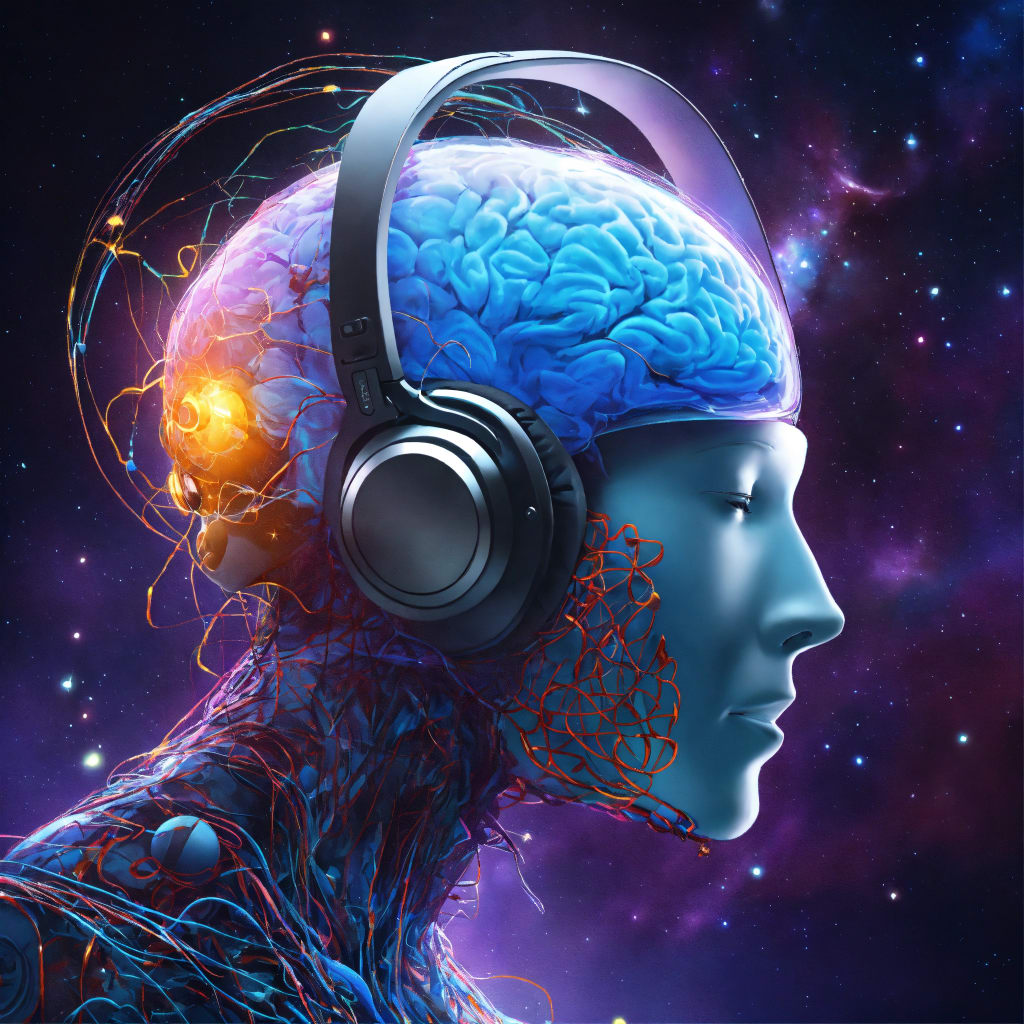
When a person sleeps, a remarkable and intricate process unfolds in the brain that is vital for physical and mental health. Sleep is divided into several stages, each with its own distinct characteristics and impact on the body and brain. These stages help repair tissues, consolidate memories, regulate emotions, and rejuvenate the mind. Here's an in-depth scientific explanation of what happens during sleep and how the brain functions during this time:
Sleep Stages and Cycles
Sleep consists of two main types: Non-REM (Rapid Eye Movement) sleep and REM sleep. These two types alternate throughout the night in 90-minute cycles, with several cycles occurring during a typical night.
Non-REM Sleep is further divided into three stages:
Stage N1 (Light Sleep): This is the transition from wakefulness to sleep. The brain waves slow down, and muscle activity decreases. It is a light sleep stage where people can easily be awakened. The brain begins to produce theta waves, which are slower than the alpha waves seen during relaxation while awake.
Stage N2 (Deeper Light Sleep): In this stage, the body prepares for deep sleep. Brain wave activity continues to slow, but there are bursts of rapid brain waves known as sleep spindles. Heart rate slows, and body temperature drops. About 50% of total sleep time is spent in this stage.
Stage N3 (Deep Sleep / Slow-Wave Sleep): This is the deepest stage of Non-REM sleep. The brain produces delta waves, which are the slowest and highest amplitude brain waves. During this stage, it is hardest to wake someone. The body undergoes important restorative processes, such as tissue growth and repair, immune system strengthening, and the release of growth hormones. Deep sleep is critical for physical recovery.
REM Sleep: After about 90 minutes of Non-REM sleep, REM sleep begins. The brain becomes much more active, similar to when a person is awake. This stage is characterized by rapid eye movements, increased brain activity, vivid dreaming, and temporary paralysis of the body's muscles (except for essential muscles like the heart and diaphragm). REM sleep plays a crucial role in memory consolidation, especially for learning and emotional regulation.
Brain Activity During Sleep
The brain undergoes significant changes during sleep. Each stage of sleep is associated with different brain wave patterns, as detected by an electroencephalogram (EEG). Here's a breakdown of how the brain works through the various stages:
Non-REM Sleep and Brain Activity
Stage N1: In the early stages of sleep, the brain begins to shift from wakefulness into a relaxed state. Brain activity starts to slow down, moving from alpha waves (8-12 Hz) to theta waves (4-7 Hz). In this stage, people experience "hypnic jerks" (involuntary muscle twitches) and may feel like they are drifting in and out of consciousness. The brain is still somewhat responsive to external stimuli, which is why it’s easy to be awakened during this stage.
Stage N2: Sleep spindles (sudden bursts of brain activity) and K-complexes (sharp, high-amplitude waves) become the dominant brain patterns. Sleep spindles are thought to be involved in memory consolidation, while K-complexes help suppress external stimuli to prevent awakening. The brain waves become slower and more regular in this stage.
Stage N3 (Slow-Wave Sleep): This stage is characterized by slow delta waves (0.5-4 Hz), which are the slowest brain waves. The brain is in a deeply restful state, allowing for bodily repair and physical restoration. During slow-wave sleep, the brain removes waste products through the glymphatic system, which flushes out neurotoxic waste, such as beta-amyloid plaques linked to Alzheimer's disease.
REM Sleep and Brain Activity
During REM sleep, the brain becomes highly active. Brain waves during this stage resemble those of wakefulness, with high-frequency, low-amplitude beta waves (12-30 Hz). The pons, a region in the brainstem, plays a key role in regulating REM sleep by blocking motor signals from the brain to the body’s muscles, preventing people from acting out their dreams. However, the brain’s visual and emotional centers (like the amygdala and hippocampus) are highly active, explaining why dreams often feel vivid and emotionally intense.
Key Functions of Sleep
1. Memory Consolidation
One of the most important roles of sleep, especially REM and Stage N2 sleep, is memory consolidation. This process involves the stabilization and integration of information learned during the day into long-term memory. During sleep, particularly in the hippocampus and neocortex, memories are reactivated, reorganized, and strengthened. Studies show that both declarative memories (facts and events) and procedural memories (skills) are consolidated during sleep, with Non-REM sleep favoring factual memories and REM sleep enhancing emotional and procedural learning.
2. Emotional Regulation
The brain processes and regulates emotions during REM sleep. Regions such as the amygdala, which is involved in processing emotions, and the prefrontal cortex, which governs rational thought, interact during REM sleep to help the brain deal with emotional experiences. This helps improve mood stability, stress resilience, and emotional control.
3. Brain Plasticity
Sleep is crucial for brain plasticity, or the brain’s ability to adapt, grow, and form new neural connections. Plasticity is important for learning new skills, adapting to new experiences, and recovering from brain injuries. Slow-wave sleep, in particular, helps with synaptic pruning, a process where unnecessary or weak neural connections are eliminated, making room for stronger, more efficient connections.
4. Waste Clearance
The brain undergoes essential detoxification during sleep. The glymphatic system is more active during sleep, especially during slow-wave sleep, allowing cerebrospinal fluid to flush out toxins, including harmful proteins like beta-amyloid. This cleansing process is critical for brain health, and its dysfunction has been linked to neurodegenerative diseases such as Alzheimer's.
Sleep Disorders and Brain Dysfunction
When sleep is disrupted or insufficient, it can negatively impact brain function. Common sleep disorders such as insomnia, sleep apnea, and narcolepsy interfere with the brain’s ability to cycle through the proper stages of sleep, leading to deficits in memory, concentration, emotional regulation, and overall cognitive function. Chronic sleep deprivation can also increase the risk of mental health disorders like anxiety and depression, as well as neurodegenerative diseases.
Conclusion
Sleep is a highly structured and essential biological process in which the brain alternates between different stages of Non-REM and REM sleep. Each stage has unique brain wave patterns and serves critical functions, from memory consolidation to emotional regulation, and even waste clearance. The brain’s ability to maintain this sleep cycle is crucial for cognitive health, emotional well-being, and physical restoration. Disruptions in sleep can lead to significant cognitive impairments and long-term health issues. Thus, understanding and prioritizing sleep is vital for maintaining optimal brain function and overall health.
About the Creator
umn ministry Chennai
Passionate about guiding others in their spiritual journey, leads engaging story studies at UMN Ministry. With a focus on deepening faith and understanding, umn ministry fosters a welcoming environment for meaningful discussions and growth.
Keep reading
More stories from umn ministry Chennai and writers in Chapters and other communities.
What Does the Bible Say About Angels?
The Bible provides various insights about angels, describing their nature, roles, and interactions with humans. Angels are spiritual beings created by God, and they serve a variety of purposes according to the Bible. Below is a comprehensive look at what the Bible says about angels:
By umn ministry Chennaiabout a year ago in Chapters
Is This War Turning Into World War III?
Is This War Turning Into World War III? The question many people around the world are quietly asking today is unsettling but unavoidable: Is the current war climate pushing humanity toward World War III? What once appeared to be localized conflicts in the Middle East are now entangled with global rivalries, advanced technologies, and fragile alliances. History shows that world wars rarely begin with a single dramatic declaration. Instead, they grow out of overlapping crises, miscalculations, and escalating power struggles—many of which are visible today.
By Wings of Time 4 days ago in Chapters



Comments
There are no comments for this story
Be the first to respond and start the conversation.