
The Role of MEP Engineering Services in Sustainable Building Design

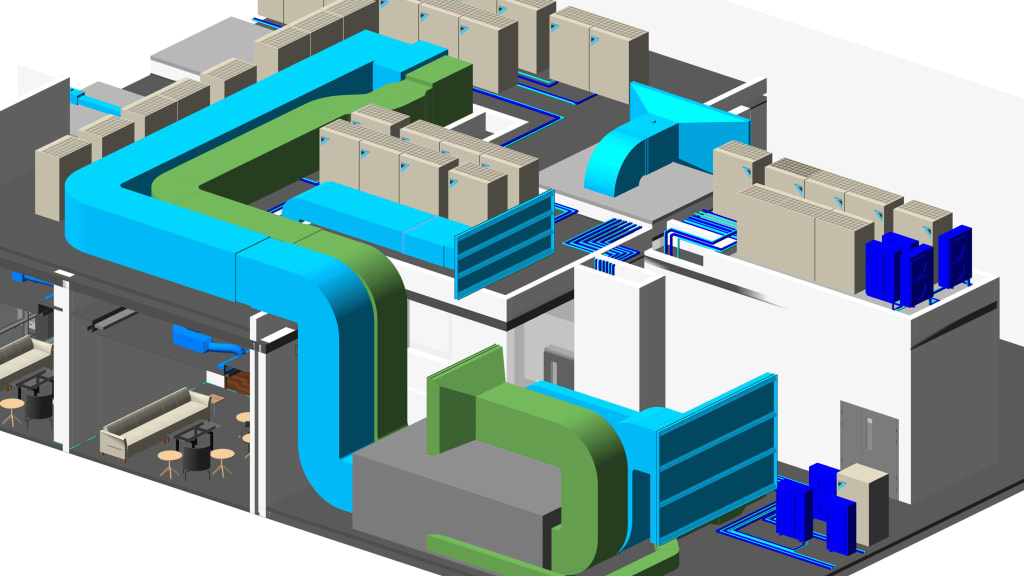
MEP Engineering Services are essential for creating buildings that minimise environmental impact while maximising efficiency, comfort, and long-term performance. In the push towards sustainability, MEP engineers focus on developing systems that prioritise energy conservation, water management, and the integration of renewable energy, all while maintaining occupant health and reducing operational costs.
1. Energy Optimization Through Smart HVAC Systems
MEP engineers design HVAC (Heating, Ventilation, and Air Conditioning) systems that go beyond traditional functions. They use energy-efficient technologies, such as variable speed drives, smart thermostats, and energy recovery systems, to balance comfort and efficiency. These innovations ensure minimal energy wastage and adapt to real-time environmental conditions, making the building’s energy use dynamic and responsive.
2. Water Resource Management
Water-saving systems are a hallmark of sustainable MEP design. Engineers implement low-flow plumbing fixtures, rainwater harvesting systems, and greywater recycling processes. The goal is to reduce freshwater demand and manage water resources efficiently. This water management approach not only preserves water but also reduces the energy required for water heating and wastewater treatment.
3. Harnessing Renewable Energy Sources
One of the most transformative aspects of modern MEP engineering is the integration of renewable energy. Solar panels, wind turbines, and geothermal heating are becoming common features in sustainable building projects. By leveraging natural resources, MEP systems help buildings achieve net-zero energy status, where they produce as much energy as they consume. This reduces dependence on fossil fuels and ensures long-term sustainability.
4. Enhanced Indoor Air Quality (IAQ) and Comfort
Sustainability isn't just about the environment; it also means creating healthy indoor spaces. MEP engineers design ventilation systems that enhance air quality by filtering out pollutants and regulating humidity levels. These systems contribute to better health outcomes and higher productivity for building occupants, aligning human wellness with environmental goals.
5. Lifecycle Approach and Cost Efficiency
Sustainable MEP designs take a lifecycle approach, where the long-term performance of a system is prioritised over short-term gains. Systems are designed to be durable, adaptable, and easy to maintain. While initial costs may be higher, MEP systems designed for sustainability deliver significant savings over time through reduced energy bills, lower maintenance costs, and increased building value.
6. Integration of Building Automation Systems (BAS)
Advanced MEP systems are increasingly integrated with Building Automation Systems (BAS), allowing centralised control of lighting, HVAC, security, and energy usage. This automation improves operational efficiency by enabling real-time monitoring and adjustments. These systems use data analytics to predict and optimise performance, further enhancing the sustainability profile of the building.
7. Future-Proofing Buildings
Sustainable MEP designs are adaptable to future innovations in energy and building technologies. Engineers ensure that systems can accommodate future upgrades, such as advancements in renewable energy, smart grids, and evolving building codes. This future-proofing reduces the need for costly retrofits and keeps buildings compliant with evolving sustainability standards.
Conclusion
MEP engineering services are at the forefront of sustainable building design, not only addressing environmental concerns but also ensuring that buildings are healthier, more efficient, and cost-effective in the long run. By integrating energy-efficient technologies, water conservation systems, renewable energy, and intelligent automation, MEP systems play a crucial role in shaping a sustainable future for the built environment. Sustainable MEP systems represent a shift from short-term solutions to long-term resilience, reducing the ecological footprint while enhancing both economic and human well-being.
This unique, holistic approach by MEP engineers ensures that buildings don't just meet today’s sustainability standards but are equipped for the environmental and technological challenges of the future.
About the Creator
Silicon Outsourcing
Silicon Outsourcing is global based BIM Services firm offers CAD drafting and drawings services.
Keep reading
More stories from Silicon Outsourcing and writers in Chapters and other communities.
From Conception to Reality: How Detailed Mechanical Drawings Drive Modern Manufacturing
In the modern world of manufacturing, the key to producing high-quality, accurate products lies in the detailed planning and design stages. This is where mechanical drawings come in, serving as the roadmap that guides every step of the manufacturing process. These drawings are not just simple sketches; they represent a critical communication tool that ensures ideas are transformed into tangible, functional products. Whether it's for machinery, structural components, or complex systems, mechanical drawings are fundamental to turning a concept into reality. This blog takes a closer look at how Mechanical Engineering Services, Mechanical Drafting Services, and Mechanical CAD Design are helping to drive this transformation.
By Silicon Outsourcingabout a year ago in Chapters
Designing for the Future: How Billionaires Create Luxury Homes to Preserve Wealth for Generations
Billionaires often view luxury homes as more than impressive residences. Instead, they treat these properties as strategic assets that help preserve wealth across generations. While financial investments can fluctuate with markets, carefully designed real estate tends to maintain long-term value. Because of this stability, luxury homes often become central to wealth preservation strategies.
By Inspirata Group7 days ago in Chapters
The First Rainbow Baby
Pitter-patter, pitter-patter. The rain fell in rhythmic splatters, slowly slowing, but still constant. Mira rolled onto her side pulling the blanket tight against her ears, but still she could hear chitter-chatter and scurrying feet of the creatures that refused to sleep in the lower decks.
By A. J. Schoenfeld3 days ago in Fiction




Comments
There are no comments for this story
Be the first to respond and start the conversation.