
The Rise of Sustainable Fashion
A Path Toward a Greener Future

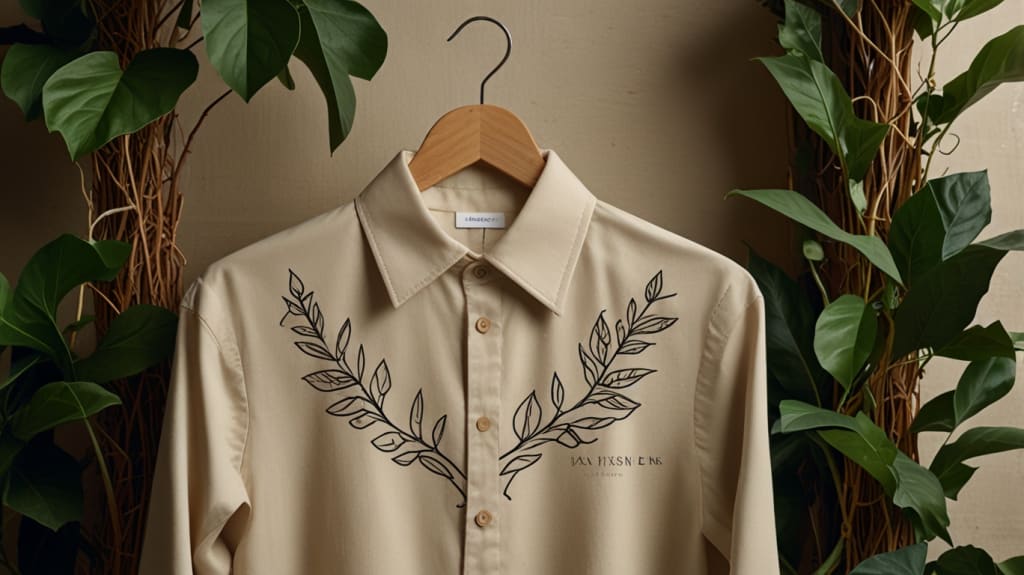
In recent years, the fashion industry has undergone a significant transformation. The growing awareness of environmental issues and the demand for ethical practices have led to the rise of sustainable fashion. This movement, once a niche market, has now become a driving force within the industry, challenging traditional practices and paving the way for a greener future.
The Environmental Impact of Fast Fashion
The fast fashion industry, characterized by its rapid production cycles and low-cost garments, has long been criticized for its environmental impact. From excessive water usage and chemical pollution to the staggering amount of textile waste, the consequences of fast fashion are alarming. According to the United Nations Environment Programme, the fashion industry is responsible for 10% of global carbon emissions, more than all international flights and maritime shipping combined.
This environmental toll has sparked a growing demand for sustainable alternatives. Consumers are increasingly aware of the impact their choices have on the planet, and many are opting for brands that prioritize sustainability.
What Is Sustainable Fashion?
Sustainable fashion encompasses a range of practices aimed at minimizing the environmental and social impact of clothing production. This includes the use of eco-friendly materials, ethical labor practices, and a focus on longevity and quality. Some key aspects of sustainable fashion include:
Eco-Friendly Materials: Sustainable fashion often involves using materials that have a lower environmental impact. This includes organic cotton, recycled fabrics, and innovative materials like Tencel, which is made from sustainably sourced wood pulp.
Ethical Production: Ensuring fair wages and safe working conditions for workers is a cornerstone of sustainable fashion. Brands that prioritize ethical production often work closely with their suppliers to ensure that workers are treated fairly and that their rights are respected.
Longevity and Quality: Unlike fast fashion, which prioritizes speed and cost over quality, sustainable fashion emphasizes creating garments that are built to last. This not only reduces waste but also encourages consumers to invest in pieces that they can wear for years.
The Role of Technology in Sustainable Fashion
Technology plays a crucial role in advancing sustainable fashion. Innovations in textile production, such as waterless dyeing techniques and 3D printing, are helping to reduce the environmental footprint of clothing. Additionally, digital platforms and blockchain technology are enabling greater transparency in supply chains, allowing consumers to trace the origin of their garments and verify the ethical practices of brands.
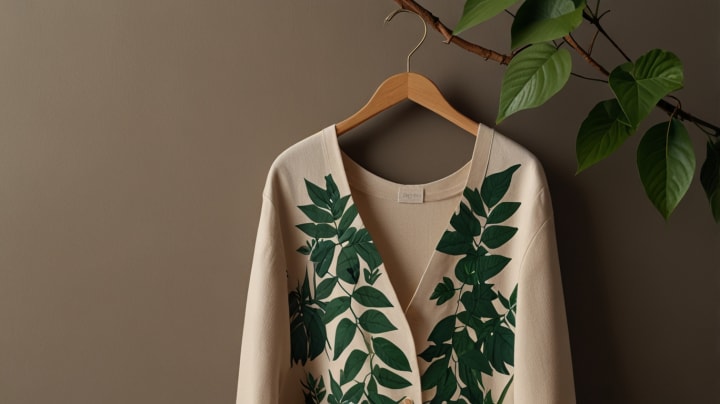
The Consumer's Role in Promoting Sustainability
Consumers have a significant role to play in the shift toward sustainable fashion. By making conscious choices, such as buying from sustainable brands, opting for second-hand clothing, and supporting circular fashion initiatives, individuals can contribute to reducing the industry's environmental impact.
Furthermore, the rise of the "buy less, choose well" mentality encourages consumers to prioritize quality over quantity. This approach not only supports sustainable fashion but also fosters a more mindful and intentional relationship with clothing.
Challenges and Opportunities
While the sustainable fashion movement is gaining momentum, it faces several challenges. The higher cost of sustainable materials and ethical production can make sustainable fashion less accessible to some consumers. Additionally, the industry must address issues of greenwashing, where brands falsely claim to be sustainable to attract eco-conscious consumers.
However, these challenges also present opportunities for innovation and collaboration. As demand for sustainable fashion grows, economies of scale may help reduce costs, making sustainable options more affordable. Collaboration between brands, governments, and non-profits can also drive progress and create a more sustainable fashion ecosystem.
Conclusion
The rise of sustainable fashion represents a significant shift in the industry, driven by a growing awareness of environmental and ethical issues. As consumers continue to prioritize sustainability, the fashion industry has the potential to become a powerful force for positive change. By embracing eco-friendly materials, ethical practices, and innovative technologies, sustainable fashion is leading the way toward a greener, more responsible future.
This movement not only reflects a changing industry but also a changing world, where the choices we make today will shape the planet for future generations.
About the Creator
Search for a Sister, Chapter Two
4-H-N heard not a word about her secret mission around Headquarters over the following days, so had to conclude either Mini-Flash Phytolith hadn’t been listening in after all, or she’d misjudged him. She hoped it was the latter, as she wanted the pair of them to get on, even if he wasn’t going out of his way to make it easy for her.
By Doc Sherwood19 days ago in Chapters
Ludacris and Nelly draw backlash over bookings at MAGA-coded music festival
Ludacris and Nelly headlining a mostly right-wing event is good for them. It’s also great for the genre of hip hop. The two rap veterans have showcased their talents on other stages. Why can’t they perform for mostly MAGA folks and grab that bag?
By Skyler Saunders4 days ago in Beat




Comments
There are no comments for this story
Be the first to respond and start the conversation.