
The Power of Positive Thinking in Everyday Life
In today’s fast-paced and often stressful world, having a positive mindset is more important than ever

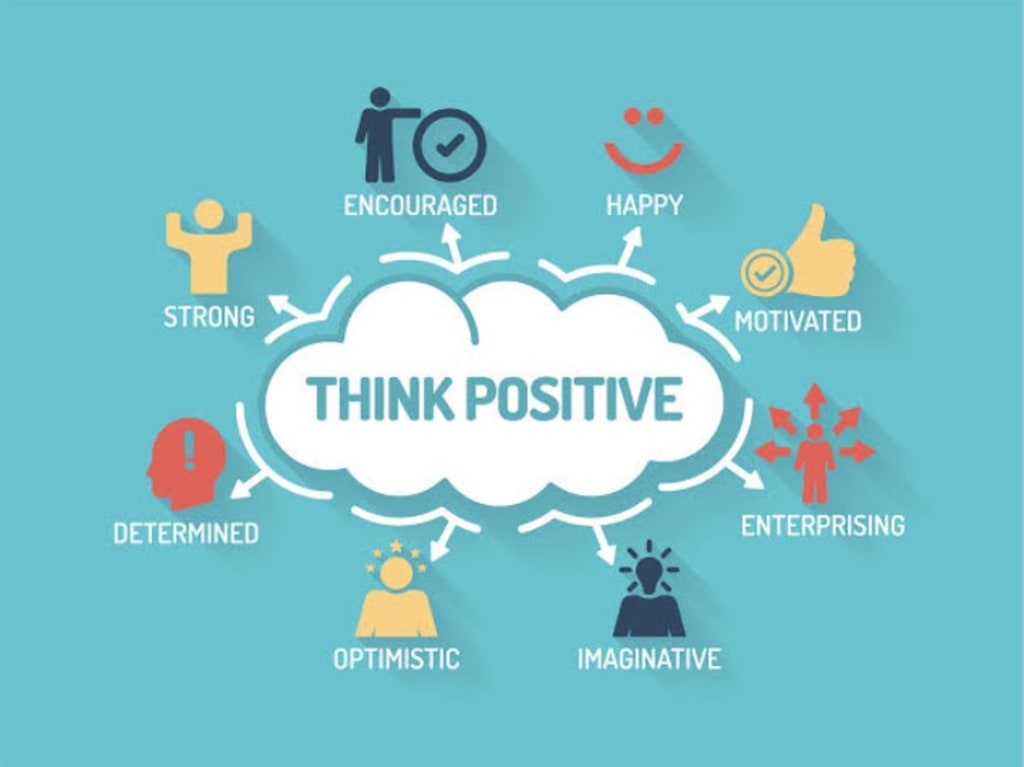
Title: The Power of Positive Thinking in Everyday Life
In today’s fast-paced and often stressful world, having a positive mindset is more important than ever. Life is full of challenges, whether at school, at work, in relationships, or in personal growth. However, how we respond to these difficulties may alter everything. One of the most powerful tools we have is positive thinking. It does not imply ignoring issues or pretending that everything is perfect; rather, it entails approaching life with a hopeful and optimistic mindset and the conviction that positive outcomes are attainable. What is Positive Thinking?
A mental and emotional attitude that emphasizes the positive aspects of life is known as positive thinking. It is the habit of seeing opportunities instead of obstacles, and solutions instead of problems. People who think positively are not blind to difficulties. Instead, they approach them with confidence and hope.
For example, if someone fails a test, a negative thinker might say, “I’m not smart enough,” and give up. A positive thinker would say, “I didn’t do well this time, but I can improve if I study harder.” This small difference in thought can have a huge effect on motivation and success.
Why Positive Thinking Matters in Everyday Life
Positive thinking has an impact on every facet of life: 1. Mental and Physical Health
Positive thinking is associated with lower levels of stress, according to studies. They are less likely to experience anxiety and depression. Positive thinkers also tend to have better heart health, lower blood pressure, and stronger immune systems. A healthy mind leads to a healthy body.
2. Enhanced Relationships When you are positive, people enjoy being around you. You are more likely to support others, listen with patience, and handle conflict calmly. Positivity makes relationships stronger—whether with friends, family, coworkers, or strangers.
3. Improved Problem Solving
Positive thinkers focus on finding solutions. They are more creative, more open-minded, and more willing to try new ideas. Instead of panicking or blaming others, they take responsibility and act wisely.
4. More Success
Positive thinking helps you set clear goals and believe in your ability to achieve them. This mindset leads to confidence, better performance, and more chances of success in education, career, and personal dreams.
How to Practice Positive Thinking
Being positive is a skill, and like any skill, it can be developed. Here are some practical ways to bring more positivity into your everyday life:
1. Start with Gratitude
Spend some time each day reflecting on the things you are grateful for. It could be your health, your family, your education, or even small things like a sunny day or a kind word. Gratitude shifts your focus from what’s missing to what you already have.
2. Use Positive Language
Your thoughts are shaped by the words you use. Instead of saying, “I can’t do this,” try saying, “I will try my best.” Replace negative words with hopeful ones. Over time, your mind will start thinking more positively.
3. Positivity in Your Environment Spend time with people who uplift you and support your growth. Avoid those who constantly complain or spread negativity. You should listen to music, watch movies, or read books that inspire and motivate you. 4. Don’t Fear Mistakes
Mistakes are part of learning. Instead of feeling ashamed or discouraged, see them as opportunities to grow. Ask yourself: “What can I learn from this?” and move forward.
5. Practice Self-Care
Take care of your body and mind. Eat healthy food, get enough sleep, exercise regularly, and give yourself time to relax. A healthy body supports a healthy mindset.
6. Limit input that is negative In today’s world, we’re surrounded by news, social media, and opinions that can sometimes be overwhelming. Reduce your exposure to negative thoughts. Choose information that helps you grow rather than brings you down.
Challenges of Staying Positive
Of course, staying positive all the time is not easy. Life can be unfair, painful, and unpredictable. It’s natural to feel sad, angry, or anxious sometimes. Positive thinking does not imply ignoring those feelings; rather, it entails not allowing them to control your life. It’s okay to ask for help when you need it. Talking to a friend, counselor, or teacher can make a big difference.
Conclusion
Positive thinking is not just a nice idea — it is a powerful way to improve your everyday life. It changes how you see the world, how you deal with problems, and how others see you. When you think positively, you make better choices, build stronger relationships, and live a healthier and happier life. Start small, practice daily, and you’ll soon see how this simple habit can bring big changes.
About the Creator
Sabrina
A curious soul weaving words across emotions, ideas, and the world around us. Her writing seeks meaning in the everyday and beauty in the untold.
REEEEEEEEE!
I'm on a low road right now. There are a literal million things to do and not one of them worth my time. I would rather sit in place and burn but the orbit takes me on its inevitable route 'round the center; and I a center in my own right, around which others orbit, and so on and so forth, ad infinitum, ad nauseum.
By C. Rommial Butler4 days ago in Poets




Comments
There are no comments for this story
Be the first to respond and start the conversation.