
The Power of Community and Social Connections
The Heartbeat of Humanity

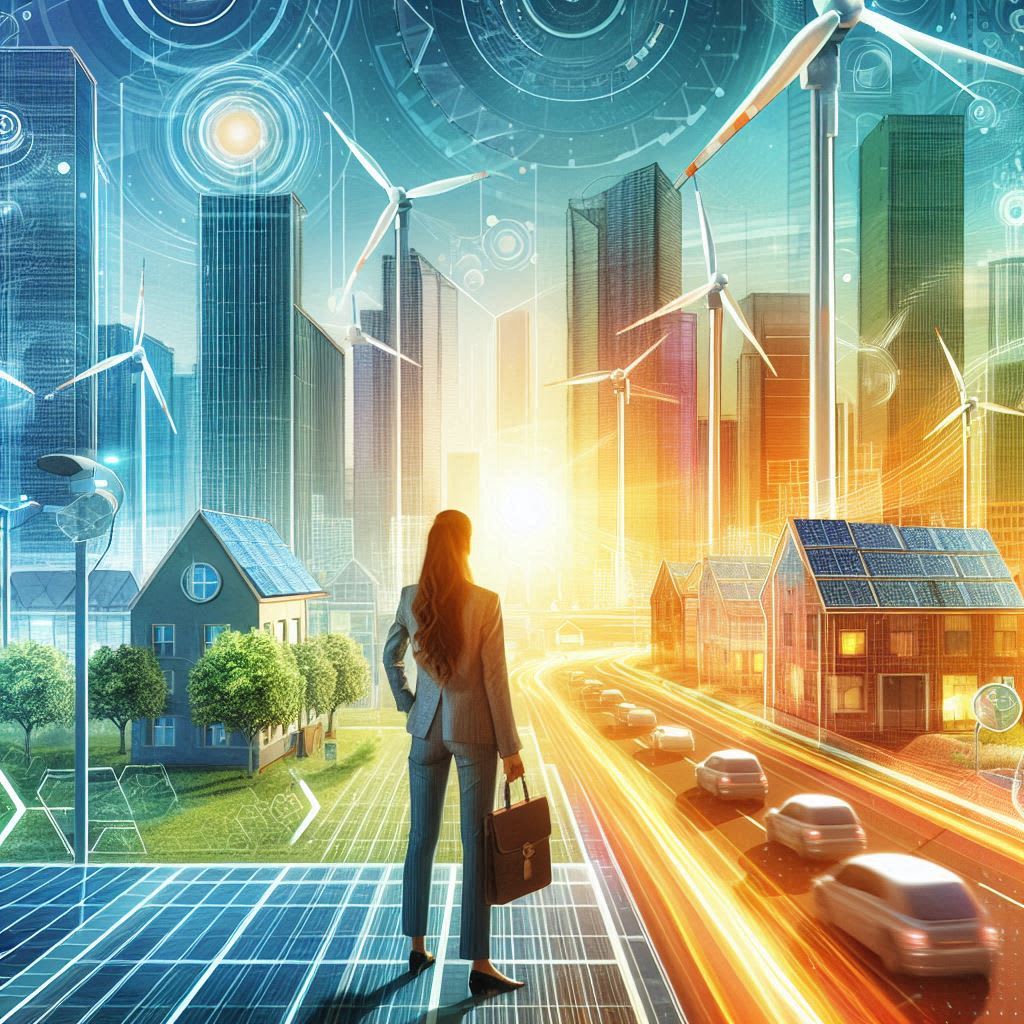
In a world where technology dominates our lives, it's easy to forget the importance of human connection. We spend hours staring at screens, interacting with people through likes and comments, but often neglecting the profound impact of face-to-face interactions.
Meet Emma, a young professional who had just moved to a new city for work. She was excited for the new opportunity, but quickly found herself feeling lonely and disconnected from the world around her.
That was until she stumbled upon a local community garden, tucked away in a quiet corner of the city. The garden was a vibrant oasis, filled with people of all ages and backgrounds, working together to grow fresh produce and build a sense of community.
Emma was immediately drawn to the garden's warm and welcoming atmosphere. She began volunteering regularly, and soon found herself forming deep connections with the other gardeners.
There was Jack, a retired teacher who had a wealth of knowledge about gardening and a quick wit that always left Emma laughing. There was Maria, a young mother who had recently immigrated to the country and was eager to learn new skills and make friends.
As Emma worked alongside her new friends, she began to realize the profound impact that community and social connections can have on our lives.
*The Science of Connection*
Research has shown that social connections are essential to our physical and mental health. Studies have found that people with strong social connections tend to have lower blood pressure, healthier body mass indexes, and a reduced risk of depression and anxiety.
In fact, a study by the Harvard Business Review found that people with strong social connections are 50% more likely to report being happy, and have a 40% higher chance of living to the age of 65.
But social connections are not just important for our individual well-being; they also play a critical role in building stronger, more resilient communities.
*The Power of Community*
When people come together to form strong social connections, amazing things can happen. Communities can come together to support one another, share resources, and work towards common goals.
In the community garden, Emma saw this firsthand. The gardeners worked together to grow fresh produce, which they would then share with one another and with those in need.
They also came together to support each other, whether it was helping a new gardener learn the ropes or providing a listening ear during a difficult time.
As Emma looked around at the vibrant garden and the people who had become like a second family to her, she realized that this was what community was all about.
*Building Stronger Communities*
So, how can we build stronger communities and foster deeper social connections in our own lives?
One way is to get involved in local community initiatives, such as volunteering at a soup kitchen or participating in a neighborhood clean-up event.
Another way is to join a club or group that aligns with our interests, whether it's a book club, a sports team, or a hiking group.
We can also make a conscious effort to connect with the people around us, whether it's striking up a conversation with a stranger or simply being more present in our interactions with others.
*Conclusion*
As Emma looked out at the community garden, she knew that she had found something special. She had found a sense of belonging, a sense of purpose, and a sense of connection with the people around her.
In a world that can often feel isolating and disconnected, the power of community and social connections is more important than ever.
By building stronger communities and fostering deeper social connections, we can create a more compassionate, more resilient, and more vibrant world.
*The Statistics*
- *60%*: The percentage of people who report feeling lonely or isolated, according to a survey by the Pew Research Center.
- *50%*: The percentage of people who report having strong social connections, according to a study by the Harvard Business Review.
- *40%*: The percentage of people who report feeling more connected to their community after participating in a local volunteer program, according to a study by the Corporation for National and Community Service.
*Community-Building Terms*
- *Social capital*: The networks and relationships that exist within a community, which can be leveraged to achieve common goals.
- *Community engagement*: The process of building relationships and partnerships between community members, organizations, and institutions.
- *Collective impact*: The idea that collective action and collaboration can lead to greater social change than individual efforts alone.
About the Creator
Henry Lucy
Thanks for reading my story,I am the type that love's penning down words rather than speaking it out and I believe you will enjoy every bit of what I will pen down feel free to check out other stories because I love writing different topic
Keep reading
More stories from Henry Lucy and writers in Chapters and other communities.
The Rise of Eco-Friendly Technologies
Maya's vision for a sustainable future is rooted in her experiences growing up in a polluted city. She saw firsthand the impact of environmental degradation on her community's health and well-being. Determined to create change, Maya dedicated herself to developing eco-friendly technologies. Her innovative solar panel system is just the beginning. With her cityscape design, Maya aims to create a blueprint for sustainable urban planning, inspiring a new generation of leaders to prioritize the health of the planet.
By Henry Lucyabout a year ago in Humans
Designing for the Future: How Billionaires Create Luxury Homes to Preserve Wealth for Generations
Billionaires often view luxury homes as more than impressive residences. Instead, they treat these properties as strategic assets that help preserve wealth across generations. While financial investments can fluctuate with markets, carefully designed real estate tends to maintain long-term value. Because of this stability, luxury homes often become central to wealth preservation strategies.
By Inspirata Group7 days ago in Chapters
The First Rainbow Baby
Pitter-patter, pitter-patter. The rain fell in rhythmic splatters, slowly slowing, but still constant. Mira rolled onto her side pulling the blanket tight against her ears, but still she could hear chitter-chatter and scurrying feet of the creatures that refused to sleep in the lower decks.
By A. J. Schoenfeld2 days ago in Fiction



Comments
There are no comments for this story
Be the first to respond and start the conversation.