
The sanitized myth ends with a noble girl saving a white man.
The truth begins with a body on a ship.
In 1617, the vessel George left London carrying the Native American ambassador known as Rebecca Rolfe — born Matoaka, called Pocahontas.
Halfway across the Thames, she collapsed at dinner, choking, her skin turning gray. Witnesses reported she whispered, “I’m not yours to name,” before dying.
Her body was buried in Gravesend — but no grave has ever been found.
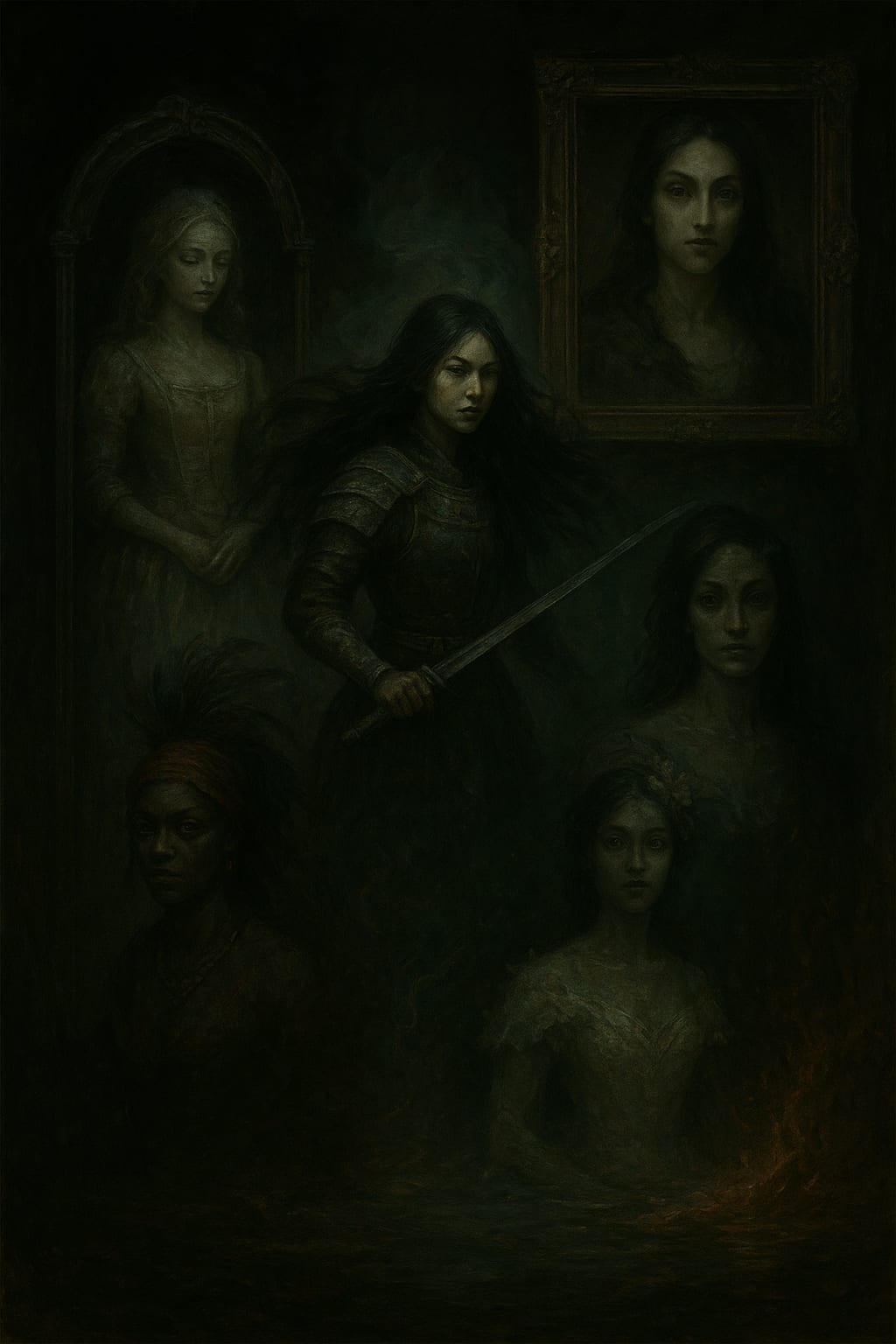
When her portraits were later analyzed, art historians noticed something disturbing: each of the five known paintings shows subtle differences in her face — her expression changing slightly over centuries, as if the paint itself aged into fear.
Infrared scans at the National Portrait Gallery revealed a hidden layer under one painting — her original expression, eyes wide, mouth open mid-scream.
The pigment used for her dress came from ground human bone.
No one knows whose.
About the Creator
Keep reading
More stories from GoldenSpeech and writers in Chapters and other communities.
Hobbies Can Be Anywhere and Everywhere
As you do the hobbies that you enjoy in life you can do it anywhere and hobbies can be found everywhere. Hobbies that are the most enjoyable can be found anywhere and everywhere because if we look for them and give how we live our lives our all hobbies are wherever we are. The more we put our hobbies and life together we can find our hobbies anywhere because anything that we do everywhere that we are either can become a hobby or was formed from a hobby that we did prior to what we are doing now. Being at your house hobbies are everywhere, because you have ways to relax and with that you do the things that you enjoy. Being outside hobbies can be found being with friends, hobbies can be found, hobbies can be anywhere that you look, just live your life and do the things that you enjoy. The more you live the life that you want to live by doing it anywhere and everywhere that you are, the more you are doing the hobbies that you want to do in your life.
By Louise Barraco5 days ago in Chapters


Comments
There are no comments for this story
Be the first to respond and start the conversation.