
The New World Order
A Narrative of Change and Controversy

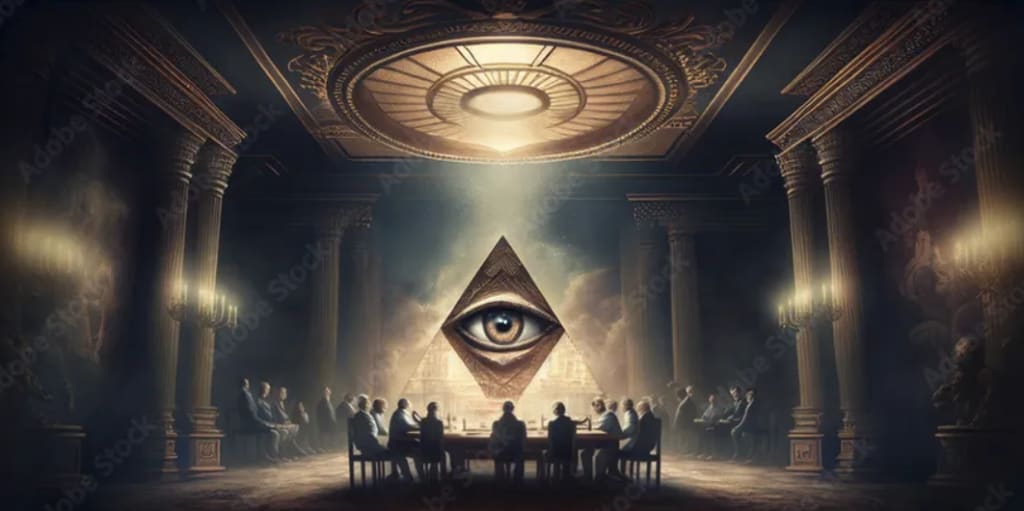
In the shadows of geopolitical maneuvers and global upheavals, the term “New World Order” often emerges, evoking images of sweeping changes, secretive cabals, and the restructuring of global power. This narrative, rich with speculation and intrigue, has captivated minds across the spectrum of society, from conspiracy theorists to policymakers. What lies at the heart of the New World Order narrative, and how does it shape our understanding of contemporary global dynamics?
Origins of the New World Order
The concept of a New World Order is not new. Its roots can be traced back to various points in history, where significant geopolitical shifts occurred:
1. Post-World War I: After the devastation of World War I, President Woodrow Wilson envisioned a new international order based on collective security, leading to the establishment of the League of Nations. Though the League ultimately failed, it set a precedent for global governance.
2. Post-World War II: The aftermath of World War II saw the creation of the United Nations, designed to prevent future conflicts and promote international cooperation. This period also marked the beginning of the Cold War, where the bipolar power structure between the United States and the Soviet Union defined global politics.
3. Post-Cold War: With the collapse of the Soviet Union in 1991, President George H.W. Bush spoke of a “new world order” characterized by the rule of law, peace, and collective security, reflecting hopes for a new era of international cooperation and stability.
The Modern Narrative
In contemporary discourse, the New World Order narrative is often associated with the idea of a unified global government and the erosion of national sovereignty. This narrative is fueled by various factors:
1. Globalization: The increasing interconnectedness of economies, cultures, and technologies has led to a perception of diminished national borders and greater international interdependence. Proponents argue that this promotes peace and prosperity, while critics warn of loss of cultural identity and economic inequality.
2. Economic Power Shifts: The rise of emerging economies, particularly China and India, is reshaping global economic power dynamics. The Belt and Road Initiative, China’s ambitious infrastructure project, is often cited as an example of new global influence challenging the traditional Western dominance.
3. Technological Advancements: The digital revolution has created a globally connected society where information flows freely across borders. This connectivity can foster collaboration and innovation but also poses risks related to cybersecurity and surveillance.
4. Environmental and Health Crises: Issues like climate change and pandemics highlight the need for coordinated global responses. The Paris Agreement on climate change and the global efforts to combat COVID-19 illustrate attempts to address these challenges through international cooperation.
The Conspiratorial Perspective
The term “New World Order” is also a cornerstone of numerous conspiracy theories, which often suggest that a clandestine group of elites is orchestrating global events to establish a totalitarian world government. Key elements of this perspective include:
1. Secret Societies: Groups such as the Illuminati, Freemasons, and the Bilderberg Group are often alleged to be the masterminds behind the New World Order, wielding influence behind the scenes.
2. Loss of Freedoms: Conspiracy theorists argue that efforts to create a New World Order involve stripping individuals of their freedoms and rights, often through surveillance, control of the media, and suppression of dissent.
3. Economic Manipulation: The financial systems and institutions, like the International Monetary Fund (IMF) and the World Bank, are viewed as tools for global elites to manipulate economies and enforce austerity measures that benefit the few at the expense of the many.
The Reality and Implications
While the New World Order narrative is compelling, it is essential to differentiate between substantiated geopolitical strategies and unfounded conspiracy theories. The reality of a changing global order involves complex interactions between state and non-state actors, economic forces, and technological advancements.
1. International Cooperation: Global challenges require collective action. The success of initiatives like the Paris Agreement depends on the willingness of nations to cooperate while respecting national sovereignty.
2. Balancing Power: As new powers emerge, maintaining a balance of power is crucial to prevent conflict and promote stability. Institutions like the United Nations play a vital role in facilitating dialogue and resolving disputes.
3. Protecting Rights: Ensuring that the push for global governance does not come at the expense of individual freedoms and human rights is paramount. Transparent and accountable governance structures are necessary to build trust and legitimacy.
4. Addressing Inequality: Globalization and technological advancements have created winners and losers. Addressing economic disparities and ensuring equitable access to opportunities are critical for a just and inclusive global order.
The narrative of the New World Order is a potent mix of historical precedents, contemporary geopolitical shifts, and speculative theories. While it can often veer into the realm of conspiracy, it reflects genuine concerns about power, sovereignty, and the future of global governance. By critically examining these narratives, we can better understand the forces shaping our world and work towards a future that promotes peace, prosperity, and justice for all.
About the Creator
Keep reading
More stories from Gustavo Woltmann and writers in Chapters and other communities.
The Knights Teutonic
The history of the Teutonic Knights is a tale of military conquest, religious zeal, and political power. Founded during the tumultuous times of the Crusades, the Teutonic Order grew to become a formidable military and political force in medieval Europe, particularly in the Baltic region. Their legacy, marked by both glory and controversy, remains a significant chapter in the history of the Middle Ages.
By Gustavo Woltmann8 months ago in Chapters
Lionel Messi: The Quiet Boy Who Grew Up to Rule the World
Lionel Andrés Messi’s story doesn’t begin with stadium lights or roaring crowds. It begins quietly, on June 24, 1987, in a modest hospital in Rosario, Argentina. He was a small, soft‑eyed baby born into a hardworking family. His father worked in a steel factory, and his mother cleaned houses to support their children. Nothing about his birth hinted that the world had just welcomed a future legend. No headlines. No predictions. Just a tiny boy who would one day make millions believe in magic.
By Haroon Pasha3 days ago in Chapters
This Is What I Do When People Throw Rocks At Me
Rocks have been thrown at me for a greater part of my life. Some have been small and missed hitting me. When people don't get a reaction from me, they throw bigger rocks with a better aim. Many have been hurled at me with precision over the years. For a long time, I thought my only options were to dodge them or be crushed by them.
By Margaret Minnicks7 days ago in Confessions



Comments