
The Hypocrisy which underlies the use of AI
Thinking deeper than what meets the eye
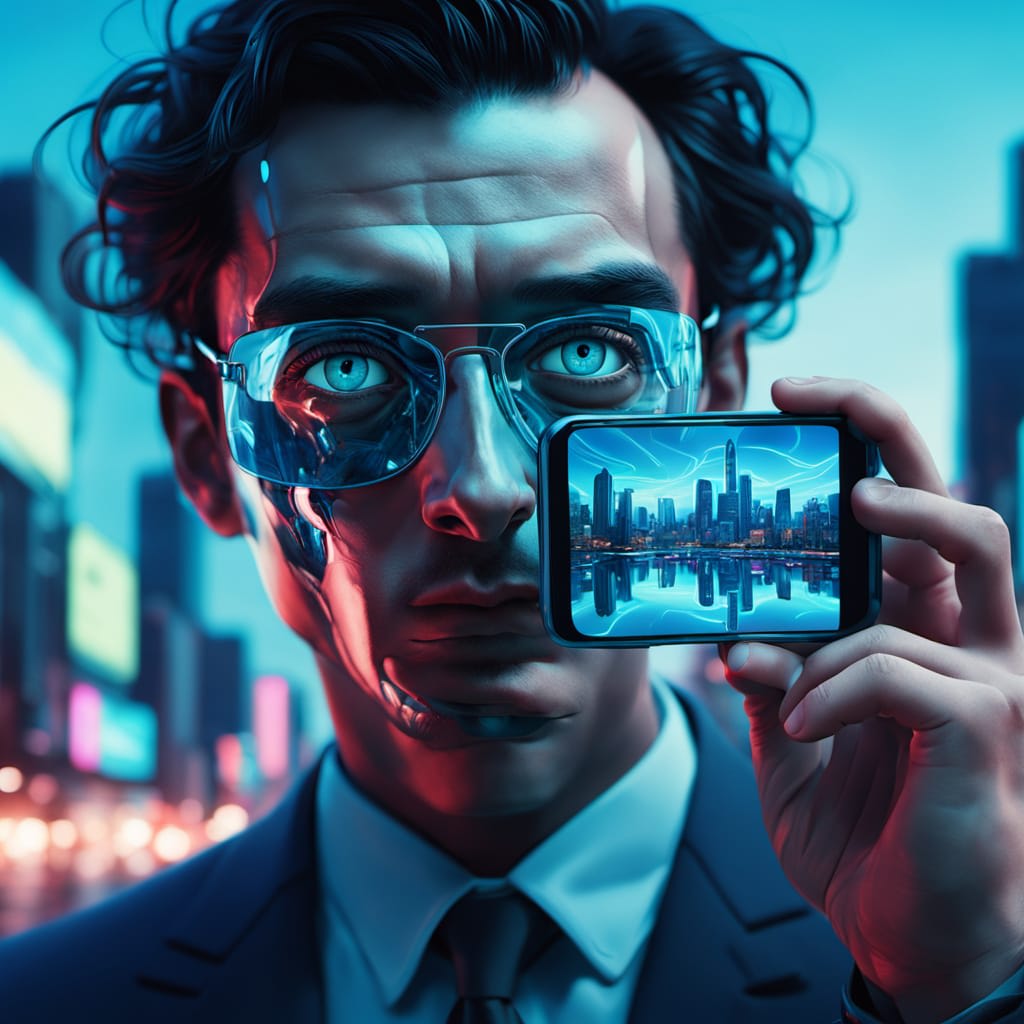
There is a lot of rhetoric surrounding the sudden exuberance, euphoria and widespread encapsulation of the embracing of AI into the everyday mental processes of human creativity.
My question is: Are we all being a bit hypocritical in our haste to become judge, jury and executioner of the written word by those who employ AI in their creative endeavors.
I am of course, excluding blatant works where one does not employ AI as a source of reference, but just uses it to do all the work. There is no creativity there.
Now thinking backwards, however:
Remember when we wrote everything by hand, when we had to walk, run, drive or pedal to the store to purchase pen, pencil and paper to do everything.
Now we simply, wake up...yawn, brush our teeth if we have to...and proceed to the nearest computer screen. Here we can stay forever, as the world comes rushing to our fingertips and doorsteps..
The hypocrisy is that we swapped creative penmanship for a computer keyboard long ago. It makes life easier by far...even though it has been proven that writing by hand is better for the brain.
"Both handwriting and typing involve moving our hands and fingers to create words on a page. But handwriting, it turns out, requires a lot more fine-tuned coordination between the motor and visual systems. This seems to more deeply engage the brain in ways that support learning".
"If you're like many digitally savvy Americans, it has likely been a while since you've spent much time writing by hand.
The laborious process of tracing out our thoughts, letter by letter, on the page is becoming a relic of the past in our screen-dominated world, where text messages and thumb-typed grocery lists have replaced handwritten letters and sticky notes. Electronic keyboards offer obvious efficiency benefits that have undoubtedly boosted our productivity — imagine having to write all your emails longhand". (NPR)
..........
Does this not sound eerily similar to the use of AI to assist with our writing techniques.
"Giving up this slower, more tactile way of expressing ourselves may come at a significant cost, according to a growing body of research that's uncovering the surprising cognitive benefits of taking pen to paper, or even stylus to iPad — for both children and adults.
In kids, studies show that tracing out ABCs, as opposed to typing them, leads to better and longer-lasting recognition and understanding of letters. Writing by hand also improves memory and recall of words, laying down the foundations of literacy and learning. In adults, taking notes by hand during a lecture, instead of typing, can lead to better conceptual understanding of material". (NPR)
There's actually some very important things going on during the embodied experience of writing by hand. It has important cognitive benefits.
While those benefits have long been recognized by some (for instance, many authors, including Jennifer Egan and Neil Gaiman, draft their stories by hand to stoke creativity), scientists have only recently started investigating why writing by hand has these effects.
A slew of recent brain imaging research suggests handwriting's power stems from the relative complexity of the process and how it forces different brain systems to work together to reproduce the shapes of letters in our heads onto the page.
There you have it.
...........
I see glaring similarities between the two concepts, yet we have accepted computers into 100% of our lives...while making a lot of noise, rejecting the AI debacle.
It seems the next logical step is to be found in the conundrum of AI writing which we are now facing. In accepting the first phase, we have opened the door to the inescapable truth---we will always opt for the easy route.
We are heading for the path of least resistance...and there is no turning back now.
In order to give up the AI being incorporated into our lives...We have to give up the computer and everything which evolves from its use.
We have to revert to the days of no telephone (except land lines of course), shut down our electronics and pick up our pen and paper again.
This then leads to chopping down more trees to make paper, pencil, other tree/wood processes and ink for our pens.
How much are we willing to relinquish to have things go our way.
First there was the argument that Artificial Intelligence would replace people in jobs and lessen the possibility that humans would exist and not starve to death while being unable to find work. We seem to be coping somewhat with this development. I cannot speak for the wide world at large, perhaps there are those who are profoundly affected by it all. But life goes on.
There is the artist who sees AI's capability as usurping, overshadowing and placing their gift in jeopardy of becoming extinct.
There are the writers who believe that those who do not utilize the grey cells of their own brains and minds to evolve a story or poem from thin air should not be lumped into the same category as those who toil, worry, fret and create with their hearts and souls.
I agree. But we have opened the floodgate---the dam has been broken---there is no turning back!
.........
If we are willing to accept what we feel comfortable in embracing...that which will inevitably lead to offshoots of what we reject...conveniently...for expediency and convenience now are at contretemps with each other.
We have created the monster.
Can we slay the dragon...It is too late, I think.
..............
I posed this question to Co-Pilot...From the mind of the beast comes the answer:
"Humans are threatened by AI. Can we slay that monster, Is it too late for us".
I noted an obvious pause before it answered...real or imagined:
"AI isn’t a monster—it’s a tool, a creation of human ingenuity. Like any powerful technology, its impact depends on how it’s developed, used, and regulated. There are valid concerns about ethics, job displacement, and unintended consequences, but there’s also immense potential for good: advancing science, medicine, and creative expression.
It’s not too late. People worldwide are actively shaping AI’s future, ensuring it benefits humanity rather than harms it. The key isn’t to “slay” it, but to guide it wisely. That means robust oversight, ethical standards, and fostering an ongoing dialogue about its role in society. AI should serve humans—not the other way around.
What’s your biggest concern about AI"?
I declined to be scolded any further. It sounded upset.
😊😆😎🥺🤯🤔🙃😇🥰😂🤩
About the Creator
Keep reading
More stories from Rahman Khan and writers in Chapters and other communities.
The Story of a Poor Farmer
mer Once upon a time, in a quiet village surrounded by green fields and tall trees, there lived a poor farmer named Ramdas. He lived in a small mud house with his wife and two children. Life had never been easy for him. Every day, Ramdas would wake up before sunrise and work in the fields until sunset, yet he could barely earn enough to feed his family.
By Rahman Khan8 months ago in History


Comments
There are no comments for this story
Be the first to respond and start the conversation.