

The essay for Chapter 1.
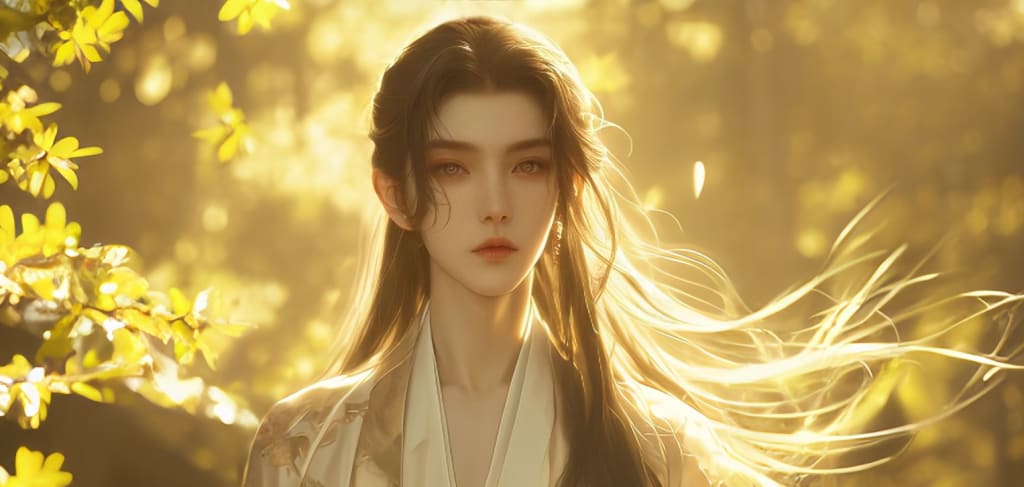
In an ancient city beneath dark clouds, a heart-wrenching scene unfolds at the gates of a wealthy estate. A young man, pale and wounded, kneels before a hostile crowd. His appearance speaks of immense suffering, with injuries exposing flesh and bone. This society, unyielding in its moral code, treats any deviation from norms with extreme prejudice. Those who step out of line are cast out, their existence deemed an affront to social order. The young man, a victim of this system, has been stripped of his rights and rejected by his family. Despite his exhaustion and pain, he pleads for understanding and a chance to prove his innocence. His sincere, anguished words fail to penetrate the wall of prejudice surrounding him. The father, a man of high standing, not only refuses to listen but inflicts further harm upon his son. This harsh rejection raises questions about the limits of familial love when faced with societal pressure and fear of disgrace. A striking detail sets the young man apart: his mismatched eyes - one sky-blue, the other fiery gold. In this society, such a unique feature is seen as a curse, a sign of bad karma and moral failing, highlighting how deeply superstition can influence public opinion.
The crowd's cruelty is particularly disturbing. They actively participate in the young man's persecution, hurling insults and objects at him. This behavior demonstrates how easily society can turn against an outcast, forgetting basic principles of humanity. The gloomy weather mirrors the protagonist's emotional state, with the storm symbolizing the chaos in his soul and his unstable position in society. As the scene closes, a rider approaches, introducing an element of uncertainty. This powerful scene raises important social and philosophical questions about justice, societal norms, and punishment. The theme of alienation is central, showing how easily a person can lose everything due to questionable accusations. The father's rejection of his son demonstrates how social norms and fear of public opinion can destroy even the closest bonds, forcing us to reflect on the value of family ties.
The text invites us to examine the role of the individual in society and the price of nonconformity. The young man's unique eyes serve as a metaphor for broader forms of difference that may lead to social ostracism, raising questions about the basis of prejudice and the arbitrary nature of social norms. The public spectacle of his suffering brings to mind the concept of public shaming and its role in enforcing social conformity. The crowd's behavior reveals how quickly empathy can be abandoned in favor of collective judgment, and how the pain of others can become a form of entertainment.
This scene serves as a mirror to our own society, challenging us to examine our prejudices, justice systems, and treatment of those who differ from the norm. It reminds us of the fragility of social standing and the arbitrary nature of moral judgments. The text highlights how easily a person can be cast out, losing everything based on potentially false accusations. It forces us to confront the darker aspects of human nature - our capacity for cruelty, fear of difference, and willingness to abandon compassion under social pressure. As the scene ends with the mysterious rider's approach, we're left to ponder the possibilities of redemption and change. Can an individual overcome such overwhelming social condemnation? Is there hope for understanding in a society so quick to judge? Above all, this passage calls us to consider the value of compassion and understanding in the face of difference and adversity, urging us to reflect on our roles in shaping a more empathetic and just society.

About the Creator
Ria Dano
• Англоязычные тексты к главам - продукт ИИ на основе оригинала/перевода.
• Оригинальные работы на ан.яз. без пометки "AI".
FLUENT IN FORBIDDEN — CHAPTER THIRTEEN
"The clock has struck three, the coffee is cold, and the shadows are beginning to speak. Welcome back to the desk of The Night Writer, where the stories are brewed in the dark. Tonight, we find that the hardest part of surviving an explosion isn't the fire—it’s the silence that follows when the world stops burning and starts waiting."
By The Night Writer 🌙 8 days ago in Chapters


Comments
There are no comments for this story
Be the first to respond and start the conversation.