
The Doomsday Clock: How Close Are We to Midnight?
The Doomsday Clock: A Ticking Warning for Humanity's Future
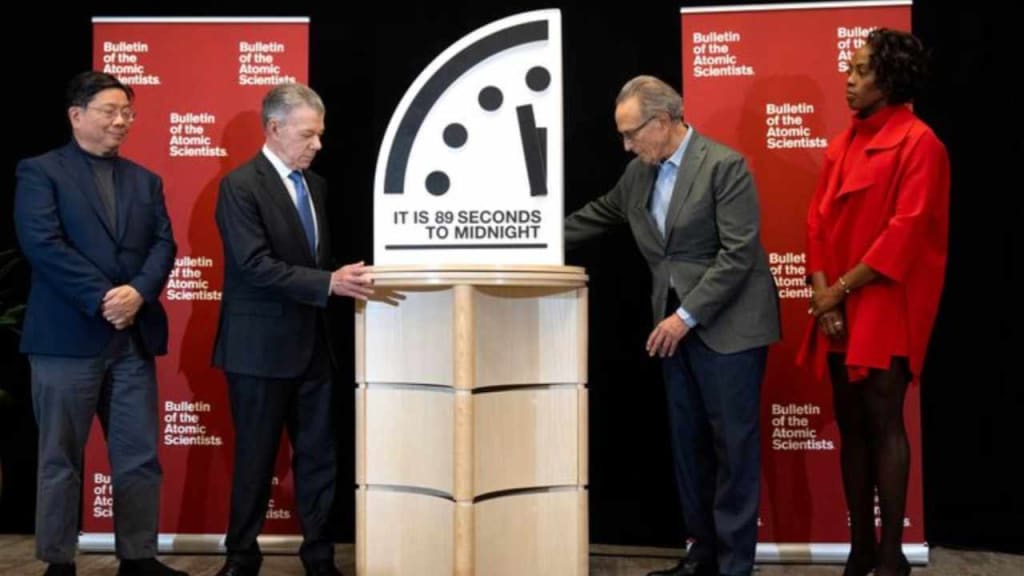
The Doomsday Clock is one of the most recognizable symbols of global existential threats. Created in 1947 by the Bulletin of the Atomic Scientists, this symbolic clock represents how close humanity is to a global catastrophe, primarily from nuclear war, climate change, and disruptive technologies. Each year, scientists and experts evaluate world events to determine whether the clock’s hands should be moved forward or backward.
As of 2024, the Doomsday Clock stands at 90 seconds to midnight, the closest it has ever been to global destruction. But what does this mean for humanity? How did we get here, and is there hope for moving the clock backward? In this article, we explore the history, significance, and current status of the Doomsday Clock.
The Origins of the Doomsday Clock
The Doomsday Clock was first set at seven minutes to midnight in 1947, just two years after the U.S. dropped atomic bombs on Hiroshima and Nagasaki. The scientists involved in the Manhattan Project, realizing the destructive potential of nuclear weapons, felt the need to warn the world about the dangers of an arms race.
The Bulletin of the Atomic Scientists, founded by these same experts, introduced the Doomsday Clock as a visual representation of how close humanity was to self-destruction. Midnight on the clock symbolizes global catastrophe, and the closer the hands move to it, the greater the perceived threat.
How Is the Doomsday Clock Set?
The decision to move the Doomsday Clock’s hands is made by the Bulletin of the Atomic Scientists' Science and Security Board, in consultation with experts, including Nobel laureates. They assess global events, technological advancements, and political tensions to determine the clock’s position.
Factors Influencing the Doomsday Clock
The Doomsday Clock is not influenced by just one issue but rather a combination of global threats, including:
1. Nuclear Weapons: Rising tensions between nuclear-armed countries, modernization of arsenals, and threats of conflict contribute significantly to the clock’s movement.
2. Climate Change: Rising temperatures, extreme weather, and failures to reduce carbon emissions push the world closer to irreversible damage.
3. Biological Threats: Pandemics like COVID-19 expose vulnerabilities in global preparedness, increasing the likelihood of future health crises.
4. Artificial Intelligence and Cyber Warfare: Rapid technological advancements in AI, cybersecurity threats, and misinformation pose new risks to stability.
5. Geopolitical Conflicts: Wars, tensions, and global instability—such as the conflict in Ukraine or tensions in the South China Sea—raise concerns about worldwide security.
The Doomsday Clock Through the Years
The Doomsday Clock has fluctuated over the years, reflecting global political and environmental conditions.
1953 (2 minutes to midnight): The closest the clock had ever been to catastrophe before 2023 was when the U.S. and Soviet Union tested hydrogen bombs, intensifying the Cold War.
1991 (17 minutes to midnight): The farthest the clock has been from disaster, thanks to the end of the Cold War and the signing of nuclear arms reduction treaties.
2020-2023 (100 to 90 seconds to midnight): Rising tensions, nuclear risks, climate inaction, and disinformation led to the closest setting in history.
Why Is the Doomsday Clock Closer Than Ever?
In 2024, the Doomsday Clock was set at 90 seconds to midnight, signaling extreme concern from scientists. Several factors contributed to this alarming position:
1. The Threat of Nuclear War
The war in Ukraine and increasing tensions between Russia, NATO, and other global powers have escalated the risk of nuclear confrontation. The modernization of nuclear arsenals by countries like the U.S., Russia, China, and North Korea further intensifies concerns.
2. Climate Change Crisis
Despite global summits and agreements, carbon emissions continue to rise, and natural disasters have become more frequent and severe. The lack of immediate action to curb emissions has pushed the planet closer to environmental collapse.
3. AI and Misinformation
The rise of artificial intelligence, deepfakes, and disinformation campaigns threatens global stability. Fake news, cyberattacks, and AI-driven warfare have become more prevalent, raising concerns about the future of digital security.
4. Biological and Health Threats
COVID-19 demonstrated how unprepared the world is for global pandemics. Future biological threats, whether natural or man-made, could pose even greater risks to humanity.
Can We Turn Back the Doomsday Clock?
Although the Doomsday Clock paints a grim picture, there is still hope. Scientists and experts emphasize that proactive efforts can push the clock’s hands backward. Some possible solutions include:
1. Nuclear Disarmament: Global treaties and diplomatic negotiations can reduce nuclear stockpiles and lower the risk of war.
2. Climate Action: Governments, corporations, and individuals must commit to reducing carbon emissions and transitioning to renewable energy sources.
3. Regulating AI and Cybersecurity: Ethical AI development, stronger cybersecurity measures, and combating misinformation are essential for a safer future.
4. Improving Global Cooperation: Multinational collaboration on pressing issues like health, security, and environmental sustainability can create a more stable world.
Conclusion
The Doomsday Clock is closer to midnight than ever before, highlighting the urgent need for global action. While threats such as nuclear war, climate change, and AI dangers persist, humanity has the power to change its course. By working together, embracing sustainable solutions, and pushing for responsible policies, we can move the clock’s hands back and ensure a safer future for generations to come.
The question remains: Will we heed the warning, or will we let the Doomsday Clock strike midnight? The choice is ours.
About the Creator
A More Human Vocal
When we launched Vocal nearly a decade ago, the world was a very different place. LLMs did not exist, and stories were created one at a time by people sitting down to write, revise, and share something personal. Many of our assumptions about publishing, trust, and participation were built for a world where effort and output were inseparable.
By Justin @ Vocal2 days ago in Resources



Comments
There are no comments for this story
Be the first to respond and start the conversation.