
The Bright Smile: A Comprehensive Guide to Teeth Whitening
Teeth Whitening
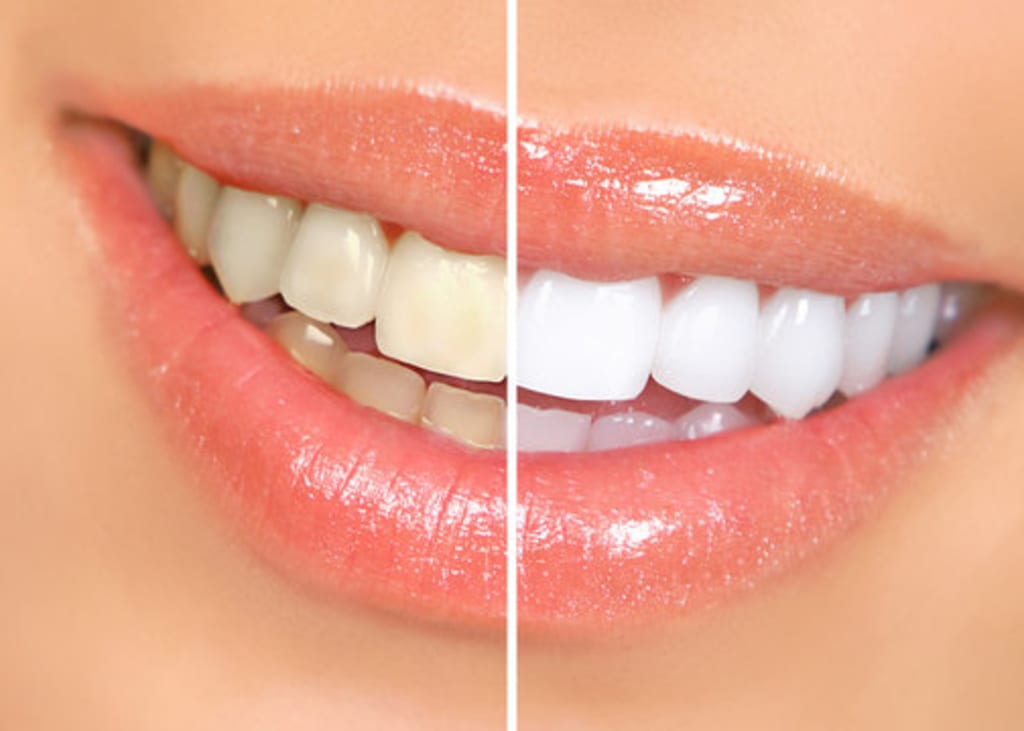
A bright, white smile can significantly boost your confidence and enhance your overall appearance. Teeth whitening has become one of the most sought-after cosmetic dental procedures, and for good reason. Over time, our teeth can become stained or discolored due to various factors, including diet, lifestyle choices, and aging. In this blog post, we’ll explore the different methods of teeth whitening, the science behind them, potential risks, and tips for maintaining that dazzling smile.
Understanding Teeth Discoloration
Before diving into whitening methods, it’s important to understand why teeth become discolored. Several factors contribute to this issue:
1. Intrinsic Factors: These are inherent to the tooth structure itself. Age, genetics, and certain medical conditions can lead to discoloration from within the tooth.
2. Extrinsic Factors: These include dietary habits and lifestyle choices. Foods and drinks like coffee, tea, red wine, and berries, as well as habits like smoking, can lead to surface stains.
3. Medications: Certain medications, particularly tetracycline antibiotics taken during childhood, can cause staining.
4. Fluorosis: Overexposure to fluoride during childhood can lead to a condition known as dental fluorosis, which manifests as white spots or streaks on the teeth.
Popular Teeth Whitening Methods
With a variety of whitening options available, it’s essential to choose a method that fits your needs and lifestyle. Here are some of the most popular methods:
1. Professional Whitening: Conducted by a dentist, professional whitening is often the most effective option. Dentists use higher concentrations of bleaching agents and can achieve dramatic results in just one visit. They may employ techniques like in-office bleaching, where a protective gel is applied to the gums and a bleaching agent is then applied to the teeth.
2. At-Home Whitening Kits: Many dentists offer take-home whitening kits that include custom-fitted trays and a whitening gel. These kits provide a balance of convenience and effectiveness, allowing you to whiten your teeth over a period of days or weeks in the comfort of your home.
3. Over-the-Counter Products: Numerous whitening products are available in stores, including strips, gels, toothpaste, and mouth rinses. While these products can be effective for mild to moderate staining, they typically contain lower concentrations of bleaching agents compared to professional options.
4. Natural Remedies: Some people turn to natural remedies for teeth whitening, such as baking soda, activated charcoal, or oil pulling with coconut oil. While these methods may provide some results, they often lack scientific backing and may not be as effective as other options.
The Science Behind Whitening Agents
The primary active ingredient in most whitening products is hydrogen peroxide or carbamide peroxide. These agents work by penetrating the enamel and breaking down the compounds that cause staining. The degree of whiteness achieved depends on several factors, including the concentration of the whitening agent and the duration of exposure.
Potential Risks and Considerations
While teeth whitening is generally safe, there are some risks to be aware of:
1. Sensitivity: Some individuals may experience increased tooth sensitivity during and after the whitening process. This sensitivity is usually temporary and subsides after treatment.
2. Gum Irritation: Improper application of whitening agents can lead to gum irritation. It’s crucial to follow instructions carefully and use products as directed.
3. Overuse: Excessive whitening can lead to enamel erosion, which may increase the risk of cavities and further discoloration. It’s essential to use whitening products responsibly.
4. Uneven Results: If you have dental restorations, such as crowns or veneers, it’s important to note that these materials do not respond to whitening agents in the same way as natural teeth, which may lead to uneven coloring.
Tips for Maintaining Whitened Teeth
Once you achieve that radiant smile, here are some tips to help maintain your results:
1. Practice Good Oral Hygiene: Brush twice a day and floss regularly to keep your teeth clean and free of plaque.
2. Limit Staining Foods and Drinks: While it’s not realistic to completely eliminate staining agents from your diet, you can reduce their consumption and rinse your mouth with water afterward.
3. Avoid Tobacco Products: Smoking or using tobacco can lead to significant staining, undoing your whitening efforts.
4. Regular Dental Check-Ups: Routine visits to your dentist will help you maintain your oral health and address any issues that may arise.
5. Consider Touch-Ups: Depending on your lifestyle and diet, you may want to consider periodic touch-ups with over-the-counter products or professional treatments to keep your smile bright.
Conclusion
Teeth whitening can be a transformative experience, enhancing both your appearance and self-esteem. With a range of options available, it’s important to choose the method that best suits your needs while being mindful of potential risks. By understanding the science behind teeth whitening and taking steps to maintain your results, you can enjoy a bright smile for years to come. Always consult with a dental professional to determine the best approach for your individual circumstances, and get ready to smile confidently!
About the Creator
Keep reading
More stories from writers in Chapters and other communities.
Bruce Lee and The God of War: Kuan Ti
It starts with love.. The Power to the God Of War and Wealth Walk into a Chinese restaurant (even in Oklahoma, USA), a Chinese police station, a kung fu martial arts studio or even a Chinese temple and you often see a red faced warrior holding a heavy quan-do (spear like weapon).
By WILD WAYNE : The Dragon King12 days ago in Chapters
The Ritual of Demand, Chapter Two
The subsequent phases of the solar cycle saw a tremendous change in Flashpower. He was a happier and more confident Mini-Flash all round. He lost his wan distracted look and his cheeks flushed with colour, the freckles on his snub nose standing out boldly. In class he could concentrate again, and his grades began to improve. Even his Flashball picked up a little, and when someone got the better of him he started taking it as any boy would, instead of getting his knickers in a twist. The adult Flashes all agreed Flashpower was finally getting the hang of being the age he was.
By Doc Sherwood6 days ago in Chapters
Wild Card Weekend Recap: What Happens Now?
I think I figured out why I love Wild Card Weekend so much. It's because it's the first playoff anything of the calendar year. The NFL season starts in the fall, and once upon a time, the champion was crowned either on or slightly before New Year's. The evolution of the NFL schedule has resulted in the playoffs starting just into the New Year, and currently, the final week of the season falls on the first weekend of the New Year, with Wild Card Weekend coming a week after that. So yes, chronologically, the NFL's Wild Card Weekend serves as the first playoff anything of the calendar year.
By Clyde E. Dawkins7 days ago in Unbalanced




Comments
There are no comments for this story
Be the first to respond and start the conversation.