
The Best Foods to Improve Digestive Health
Discover the Power of Gut-Friendly Foods for a Happier, Healthier You

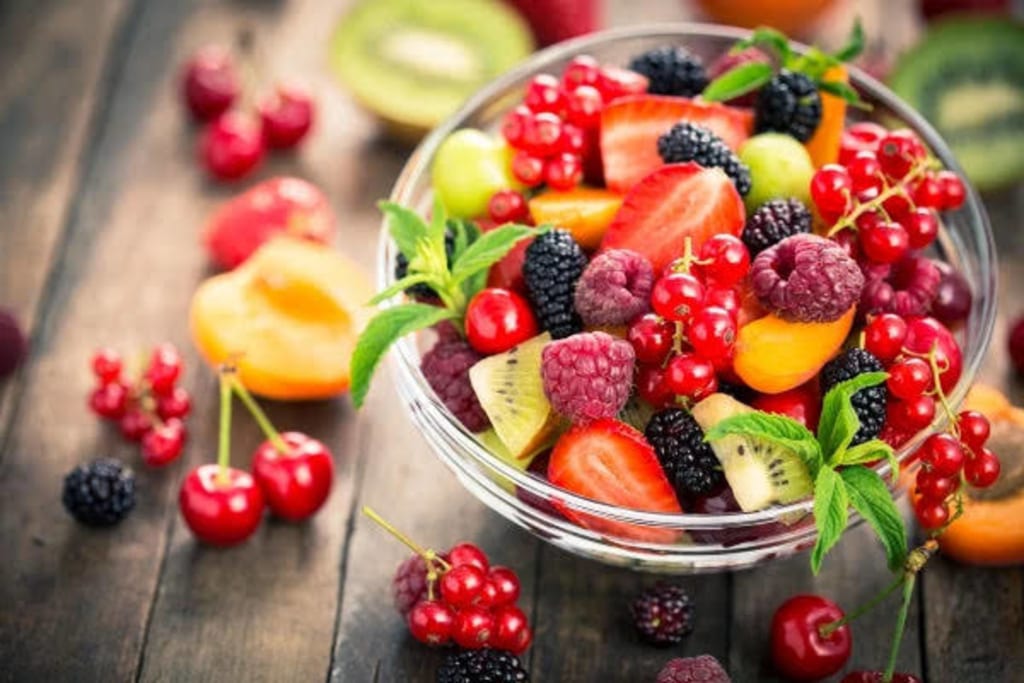
In recent years, gut health has taken center stage in the world of wellness, and for good reason. A well-functioning gut is key to overall health, influencing everything from digestion to immunity and even mental well-being. The foods we eat play a crucial role in maintaining a balanced gut microbiome—the diverse community of bacteria and microorganisms in our digestive system. If you're looking to support your gut health, here's a guide to the best foods that can make a difference.
1. Fiber-Rich Fruits and Vegetables
Fiber is essential for gut health, as it acts as fuel for beneficial gut bacteria. Soluble fiber, found in foods like apples, carrots, and oats, helps regulate digestion, while insoluble fiber, found in whole grains and leafy greens, promotes regular bowel movements. Some standout choices include:
Berries: Packed with antioxidants and fiber, berries like blueberries, raspberries, and blackberries can help reduce inflammation and support gut health.
Leafy Greens: Spinach, kale, and Swiss chard are high in fiber and contain compounds that feed gut bacteria and help produce short-chain fatty acids (SCFAs), which are essential for a healthy gut lining.
Cruciferous Vegetables: Broccoli, cauliflower, and Brussels sprouts contain fiber and nutrients that promote a balanced microbiome.
2. Fermented Foods
Fermented foods are rich in probiotics, live bacteria that can enhance gut health by improving the balance of beneficial microorganisms. Including these in your diet can boost digestion and immunity:
Yogurt: Choose plain, unsweetened yogurt with live and active cultures for a dose of gut-friendly probiotics.
Kefir: This fermented milk drink is an excellent source of diverse probiotic strains.
Kimchi and Sauerkraut: These fermented vegetables are teeming with beneficial bacteria and add a flavorful punch to meals.
Miso: A staple in Japanese cuisine, miso is made from fermented soybeans and can be enjoyed in soups or marinades.
3. Prebiotic Foods
Prebiotics are non-digestible fibers that feed the good bacteria in your gut. Including prebiotic-rich foods in your diet helps maintain a thriving gut microbiome:
Garlic: Raw garlic is a potent prebiotic, promoting the growth of beneficial bacteria.
Onions: These versatile vegetables contain prebiotics and antioxidants.
Bananas: Particularly when slightly green, bananas are a great source of resistant starch, a type of prebiotic fiber.
Asparagus and Artichokes: These vegetables are packed with prebiotics and can be easily incorporated into meals.
4. Whole Grains
Whole grains like quinoa, brown rice, oats, and barley are high in fiber and promote the growth of beneficial gut bacteria. The complex carbohydrates in whole grains are slowly broken down, allowing them to nourish the gut over time. Additionally, whole grains are linked to reduced inflammation and better overall digestive health.
5. Healthy Fats
Omega-3 fatty acids and other healthy fats have anti-inflammatory properties that benefit the gut. Some top sources include:
Fatty Fish: Salmon, mackerel, and sardines are excellent sources of omega-3s.
Nuts and Seeds: Chia seeds, flaxseeds, and walnuts are rich in healthy fats and fiber.
Olive Oil: This heart-healthy oil is also beneficial for gut health when used in moderation.
6. Legumes and Beans
Beans and legumes, such as lentils, chickpeas, and black beans, are rich in fiber and resistant starch, making them an excellent choice for gut health. They promote the production of SCFAs and help maintain a balanced microbiome. Start with small portions if you're not used to eating beans, as they can cause bloating in some individuals.
7. Polyphenol-Rich Foods
Polyphenols are plant compounds with antioxidant properties that promote the growth of beneficial bacteria. Foods high in polyphenols include:
Dark Chocolate: Choose varieties with at least 70% cocoa for maximum benefit.
Green Tea: This soothing beverage is rich in catechins, a type of polyphenol.
Berries: Blueberries and cherries are particularly high in polyphenols.
Olives: Both the fruit and olive oil are great sources of these gut-boosting compounds.
8. Bone Broth
Bone broth is a nutrient-dense food that supports gut health. Rich in collagen, gelatin, and amino acids, it helps repair the gut lining and reduces inflammation. Sipping on a warm cup of bone broth or using it as a base for soups can be soothing for the digestive system.
9. Water and Hydration
While not a "food," staying hydrated is essential for digestive health. Water helps maintain the mucosal lining of the intestines and supports the movement of waste through the digestive tract. Aim to drink plenty of water throughout the day, and consider herbal teas or infused water for variety.
Foods to Limit for Gut Health
While focusing on gut-friendly foods, it's also important to minimize foods that can disrupt the microbiome, such as:
Highly Processed Foods: These are often high in sugar, unhealthy fats, and additives that can harm gut bacteria.
Artificial Sweeteners: Some, like aspartame, may negatively impact the gut microbiome.
Excessive Alcohol: Overindulgence can lead to gut inflammation and an imbalance in gut bacteria.
Final Thoughts
Improving gut health is not about restrictive diets but about nourishing your body with a variety of whole, nutrient-dense foods. Incorporating fiber-rich fruits and vegetables, fermented foods, prebiotics, and healthy fats into your diet can transform your gut health and, in turn, your overall well-being. Remember, small, consistent changes can yield significant results. Start by adding one or two gut-friendly foods to your meals today, and enjoy the benefits of a healthier, happier gut!
About the Creator
Keep reading
More stories from INFO INSIDER and writers in Chapters and other communities.
10 Time Management Tips to Boost Productivity
Managing your time effectively is one of the most crucial skills to enhance productivity and achieve your goals. With endless tasks, deadlines, and distractions, mastering time management can feel overwhelming. However, with the right strategies, you can take control of your schedule and make the most out of every moment. Here are 10 practical time management tips to help you stay organized and boost your productivity.
By INFO INSIDER about a year ago in Chapters
How Iran Attacks Are Affecting Pakistani Workers in Dubai and the Gulf
Until a few days ago my work was going very well, but now several days pass without getting any work. Over the past five years I manageid to pay off the debts that were on me and my family. Now my goal was to build my own house. But if the situation continues like this, it may even become difficult to earn a living in Dubai.”
By Real content7 days ago in Chapters



Comments
There are no comments for this story
Be the first to respond and start the conversation.