
Sultan Razia: The Trailblazing Female Ruler of Delhi
Breaking Barriers and Leading with Strength
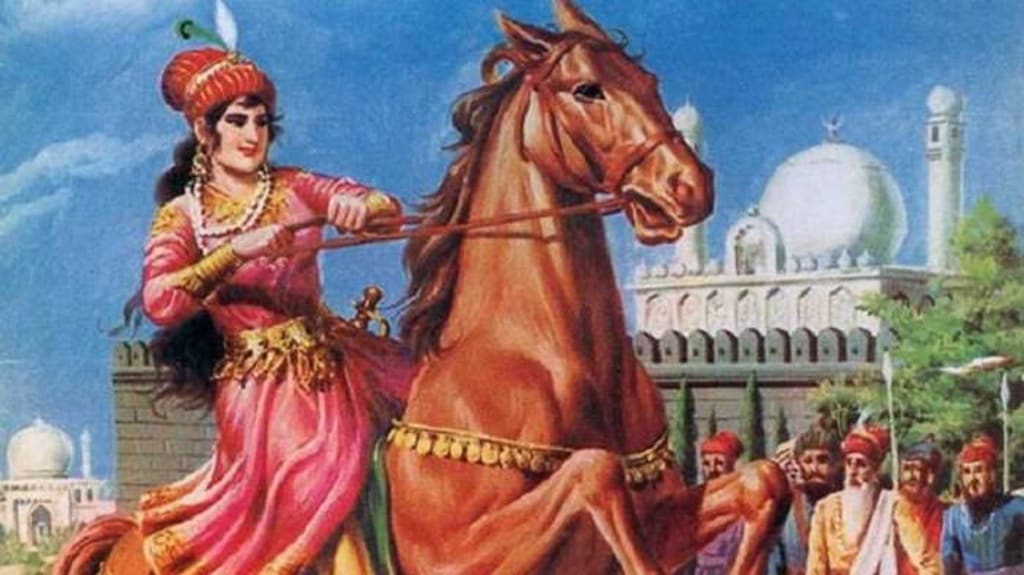
In the 13th century, the Delhi Sultanate was a force to be reckoned with. It was a time of tumultuous change, political intrigue, and shifting allegiances. Amidst this backdrop of male-dominated power structures and dynastic struggle, a woman rose to power, defying centuries of tradition. Her name was Sultan Razia, and her reign would become a symbol of courage, wisdom, and an unwavering determination to break free from the confines of a patriarchal society.
A Royal Education
Razia Sultan was born in 1205, the daughter of Sultan Iltutmish, a military leader who had risen from humble beginnings to become one of the most influential rulers of the Delhi Sultanate. Iltutmish was known for his administrative skills and for laying the foundations of a powerful, stable empire. But unlike many other rulers, he did not simply see his daughter as a mere royal offspring. From a young age, he recognized her exceptional intellect, leadership abilities, and unyielding spirit. He educated her thoroughly, ensuring she was well-versed in statecraft, governance, history, and even the arts of warfare.
Unlike most women of her time, who were expected to manage domestic affairs, Razia was encouraged by her father to think critically, act decisively, and challenge the traditional gender norms of her society. She grew up alongside her brothers, who were also trained to govern, but it was Razia who demonstrated the qualities of a true leader.
The Path to Power
When Iltutmish died in 1236, the throne of Delhi was left vacant, and the kingdom was thrown into political chaos. Iltutmish had named his sons as his heirs, but they lacked the qualities necessary to lead the vast Sultanate. The nobles, known as the "Turks," were powerful and influential, and they were hesitant to accept a woman on the throne. But Razia, defying all odds, took the bold step of claiming the sultanate for herself.
At first, her rise to power was not well received. The court nobles, who held immense power and influence in the Sultanate, were fiercely resistant to the idea of a woman ruler. Many believed that a woman, especially one who was not bound by the patriarchal customs of the time, could not possibly lead a powerful empire like Delhi. Yet Razia proved them wrong.
She took the throne in 1236, and immediately sought to assert her authority in a manner that would surprise many. Where her predecessors relied on their advisors and generals to lead their armies and govern the kingdom, Razia chose to take a hands-on approach. She personally commanded military campaigns and held court in the open, where her subjects could see her strength and resolve. She wore royal attire, rode horseback like a warrior,and made decisions with a clarity of purpose that earned her respect from both her allies and enemies alike.
Reforms and Resistance
Razia's reign was marked by her attempts to restore order and justice to a kingdom that was riddled with corruption, internal strife, and lawlessness. She sought to break the stranglehold that the noble class had over the empire’s wealth and resources. To accomplish this, she promoted individuals based on merit rather than family lineage, appointing skilled administrators, officers, and generals regardless of their background. This reform angered many of the traditional aristocracy, who believed that the ruling class should only consist of their own.
Despite the challenges, Razia showed remarkable leadership in implementing her vision for a more just and efficient empire. She reorganized the tax system, reformed the military, and worked to improve the economy of Delhi, ensuring that the kingdom remained stable even during times of turmoil. Her leadership was pragmatic—she did not shy away from taking tough decisions
when necessary, but she also earned the loyalty of her people by showing fairness and compassion.
Betrayal and Downfall
Her greatest challenge, however, came from within her own family. Her half-brother, Rukn-ud-Din, was furious at Razia’s rise to power and plotted against her. In 1240, with the help of the nobles, he succeeded in overthrowing her. Razia was imprisoned and ultimately exiled from Delhi. Though she would try to reclaim her throne, her enemies were too strong, and after a few years, Razia was captured and tragically died in captivity. Some say she was murdered, others claim she died from exhaustion and the emotional toll of her failed efforts to regain power.
Legacy of a Trailblazer
Though her reign was short-lived, Razia Sultan’s legacy endured. She was one of the few women in history to ascend to the throne in a deeply patriarchal society, and she ruled with a courage and wisdom that was ahead of her time. Her political acumen and refusal to bow to gender norms not only changed the way many viewed women’s roles in leadership but also proved that true rulers are defined not by their gender, but by their abilities and determination.
Razia’s story is a reminder that women have always had the potential to lead, even when society did not believe in their capacity to do so. In an era where women were often confined to the domestic sphere, Razia Sultan shattered expectations and became a beacon of hope for future generations of women who would dare to rise to power. Her name lives on in the history of the Delhi Sultanate as a testament to her strength, vision, and the enduring power of a woman who dared to lead.
About the Creator
Keep reading
More stories from Rahina Umaru and writers in Chapters and other communities.
Ftee Airdrops
--- **How to Make Money Online with Free Airdrops** In the evolving world of digital finance, free airdrops have emerged as a popular way to earn cryptocurrency without spending a dime. Whether you're a beginner in the crypto space or an experienced investor looking to make some extra money online, airdrops present an easy entry point. This article will guide you through what airdrops are, how to find them, and the steps to profit from them.
By Rahina Umaru11 months ago in 01



Comments
There are no comments for this story
Be the first to respond and start the conversation.