
SEO Tips for Launching a New Website Successfully
Launch Your Website With SEO.
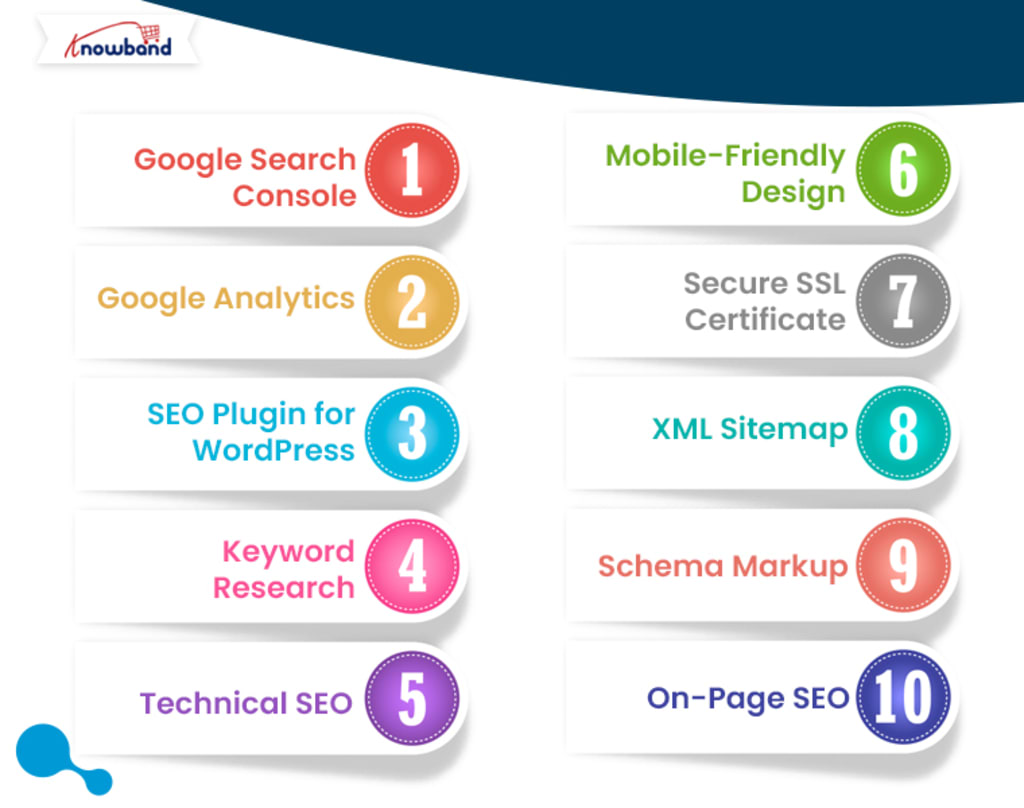
Launching a new website is an exciting milestone, but without a well-thought-out SEO strategy, it can be difficult to gain visibility and attract visitors. Search engine optimization (SEO) ensures your website gets discovered by the right audience from day one.
In this guide, we’ll cover essential SEO tips for launching a website successfully and setting it up for long-term growth.
1. Start with Keyword Research
Keyword research is the foundation of any successful SEO strategy. Before you create content, identify the terms your target audience is searching for.
Use tools like Google Keyword Planner, Ahrefs, or SEMrush to find relevant keywords.
Focus on a mix of short-tail and long-tail keywords to capture both broad and specific search intent.
Incorporate these keywords naturally into your content, meta tags, and headings.
2. Optimize Your Site Structure
A clear and organized site structure helps search engines crawl your website and improves the user experience.
Use a logical hierarchy with categories and subcategories.
Ensure all important pages are no more than three clicks away from the homepage.
Create a sitemap to help search engines understand your website’s layout.
3. Create High-Quality Content
Content is the heart of SEO. Focus on creating valuable, engaging, and original content that meets the needs of your audience.
Write for humans first, and optimize for search engines second.
Include multimedia elements like images, videos, and infographics to enrich the user experience.
Update your blog regularly to keep content fresh and relevant.
4. Optimize On-Page Elements
On-page optimization involves tweaking elements on your website to make it search-engine-friendly. Key areas to focus on:
Title Tags: Write unique, keyword-rich titles for each page.
Meta Descriptions: Summarize your page content with compelling meta descriptions.
Headings: Use H1 for your main title and H2/H3 for subheadings, incorporating relevant keywords.
URLs: Keep URLs short, descriptive, and keyword-focused.
5. Ensure Mobile-Friendliness
With the majority of web traffic coming from mobile devices, having a mobile-friendly website is non-negotiable.
Use a responsive design that adapts to all screen sizes.
Test your site’s mobile performance using Google’s Mobile-Friendly Test.
Optimize for fast loading speeds, as mobile users expect quick access to information.
6. Focus on Technical SEO
Technical SEO lays the groundwork for search engines to effectively crawl and index your site.
Ensure your website uses HTTPS for security.
Check for broken links and fix them promptly.
Use schema markup to enhance your search engine visibility.
Optimize your robots.txt file to guide search engines on which pages to crawl.
7. Build Backlinks Strategically
Backlinks from reputable websites signal to search engines that your site is trustworthy.
Reach out to industry influencers and websites for guest blogging opportunities.
Create shareable content like infographics or case studies to attract natural backlinks.
Submit your website to relevant online directories to improve local SEO.
8. Set Up Google Analytics and Search Console
Tracking your website’s performance is essential for ongoing SEO success.
Use Google Analytics to monitor traffic, user behavior, and conversions.
Google Search Console helps you identify indexing issues, crawl errors, and keyword rankings.
Regularly analyze your data to refine your strategy over time.
9. Optimize for Local SEO (If Applicable)
If your website serves a specific geographic area, local SEO is crucial for connecting with your audience.
Create and optimize a Google Business Profile.
Use local keywords and include your location in meta tags and content.
Encourage customer reviews to build trust and credibility.
10. Promote Your Website
Even with excellent SEO, promotion is essential to drive initial traffic and engagement.
Share your website on social media platforms.
Reach out to your email list to announce the launch.
Collaborate with industry partners to increase your visibility.
Conclusion
Launching a new website with a solid SEO strategy ensures it’s visible to your target audience and well-positioned for long-term growth. By focusing on keyword research, on-page optimization, technical SEO, and content creation, you can establish a strong foundation that attracts visitors and improves rankings.
For expert guidance on launching and optimizing your new website, check out our SEO services to ensure your website reaches its full potential.
About the Creator
Keep reading
More stories from Mohammed Aslam and writers in Chapters and other communities.
How to Optimize for Featured Snippets in Google Search
Featured snippets are a prominent feature in Google search results, offering concise answers to users’ queries directly at the top of the page. Also known as “Position Zero,” featured snippets significantly increase visibility, drive organic traffic, and establish your website as an authority in your niche.
By Mohammed Aslamabout a year ago in Chapters
Search for a Sister, Chapter Two
4-H-N heard not a word about her secret mission around Headquarters over the following days, so had to conclude either Mini-Flash Phytolith hadn’t been listening in after all, or she’d misjudged him. She hoped it was the latter, as she wanted the pair of them to get on, even if he wasn’t going out of his way to make it easy for her.
By Doc Sherwood20 days ago in Chapters
Overexposure
There is a point in the ascent where the brightness stops illuminating and starts burning. It happens gradually, then all at once — the moment when the light that once felt like clarity becomes something harsher, sharper, more invasive. This is the stage of the upward weather I call overexposure.
By Elisa Wontorcik4 days ago in Chapters


Comments
There are no comments for this story
Be the first to respond and start the conversation.