
Revolutionizing Document Security with eSignature Facial Recognition
The Power of eSignature Facial Recognition
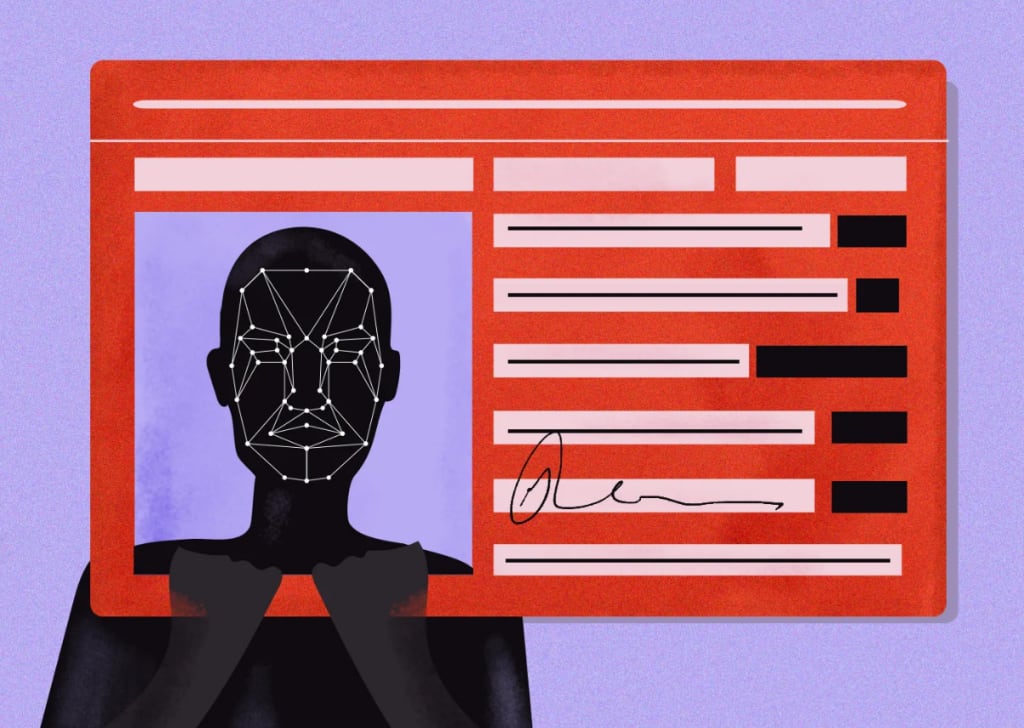
In today's digital age, the security of electronic signatures (eSignatures) have become paramount. The rise of sophisticated cyber threats and identity fraud demands robust security measures. One innovative approach that stands out is the integration of eSignature facial recognition technology. This cutting-edge solution not only enhances security but also redefines how we perceive and utilize electronic signatures.
The Evolution of eSignature Technology
The concept of eSignatures is not new, but their adoption has surged in recent years due to the increasing need for remote transactions and digital documentation. Initially, eSignatures relied on simple password protections and encrypted emails. However, as cybercriminals developed more advanced tactics, these basic security measures proved insufficient. This led to the development of more sophisticated technologies, including biometric verification methods such as eSignature facial recognition.
How eSignature Facial Recognition Works
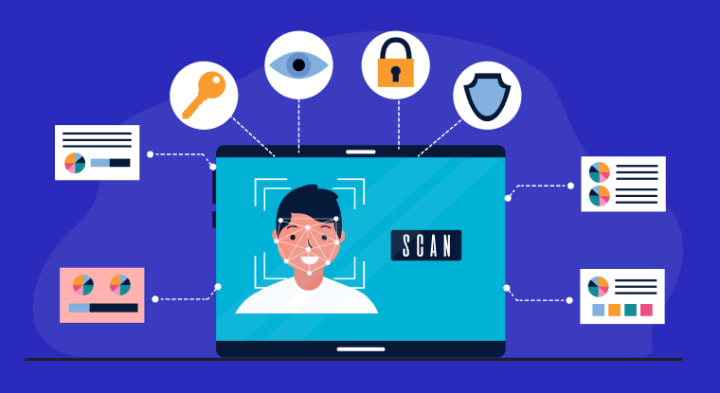
eSignature facial recognition technology leverages advanced algorithms and machine learning to authenticate individuals based on their facial features. When a user signs a document electronically, the system captures their facial image through a webcam or smartphone camera. This image is then compared to a stored reference image to verify the user’s identity. The entire process is seamless, taking only a few seconds, yet it provides a high level of security by ensuring that the person signing the document is indeed who they claim to be.
Advantages of eSignature Facial Recognition
Enhanced Security: Traditional methods of verifying eSignatures, such as passwords or PINs, can be easily compromised. Facial recognition adds an extra layer of security, making it significantly harder for unauthorized individuals to forge signatures or access sensitive documents.
Convenience: Users no longer need to remember complex passwords or carry additional devices for verification. The ability to authenticate using facial recognition streamlines the signing process, saving time and reducing frustration.
Compliance with Regulations: Many industries, including finance and healthcare, are subject to stringent regulatory requirements for electronic transactions. eSignature facial recognition helps organizations comply with these regulations by providing a reliable and auditable verification method.
User Experience: A seamless and secure signing experience enhances user satisfaction and trust. The quick and intuitive nature of facial recognition technology ensures that users can sign documents with confidence, knowing their identity is protected.
eSignature Facial Recognition in Various Industries
Finance: Financial institutions handle sensitive transactions that require robust security measures. eSignature facial recognition ensures that only authorized individuals can approve transactions, reducing the risk of fraud and identity theft.
Healthcare: In the healthcare sector, maintaining patient confidentiality and data security is critical. eSignature facial recognition allows healthcare providers to securely sign and share medical documents, ensuring compliance with regulations such as HIPAA.
Legal: Legal documents often require multiple layers of verification to ensure their validity. eSignature facial recognition provides an efficient way to authenticate parties involved in legal agreements, reducing the risk of disputes and forgery.
Real Estate: Real estate transactions involve significant amounts of money and sensitive information. eSignature facial recognition helps verify the identities of buyers and sellers, ensuring that transactions are conducted securely and legally.
Challenges and Considerations
While eSignature facial recognition offers numerous benefits, it is not without challenges. Privacy concerns are a major consideration, as the technology involves capturing and storing biometric data. Organizations must implement robust data protection measures to safeguard this information and comply with privacy regulations.
Additionally, the accuracy of facial recognition can be affected by factors such as lighting conditions, camera quality, and changes in a person’s appearance. Continuous advancements in technology and algorithms are needed to address these issues and improve reliability.
The Future of eSignature Security
The integration of eSignature facial recognition is a significant step forward in enhancing document security. As technology continues to evolve, we can expect further innovations in biometric verification methods. Combining facial recognition with other biometric data, such as fingerprints or voice recognition, could provide even greater security and convenience.
Conclusion: Embracing SignSecure
In conclusion, eSignature facial recognition technology represents a powerful tool in the fight against cyber threats and identity fraud. By leveraging advanced algorithms and biometric verification, this technology ensures that electronic signatures are both secure and user-friendly. As organizations across various industries continue to adopt and refine these solutions, the future of document security looks promising. Products like SignSecure are at the forefront of this revolution, reimagining how we protect and authenticate our digital identities.
Embrace the future of secure digital transactions with eSignature facial recognition and experience the peace of mind that comes with knowing your documents are safe and secure.
About the Creator
PKR AG
I love writing compelling stories.
The Guardian Chapter V
Alexander left his Coming of Age ceremony with Cronos and the elders with as many new questions as he had answers for his old questions. Cronos had confirmed his suspicions were correct. Not only was there a link between the Beast Masters and the inhabitants of the Citadel, but it was the Citadel's fault that the Beast Masters existed in the first place. Instead of banishing the law breakers which allowed them to wreak havoc on the rest of humanity, the Citadel elders should have stripped them of their powers before they became too strong. Now Alexander would need to battle the Beast Masters and the Jikininki. It would be difficult for him to forgive the Citadel Elders because their poor decisions led to the deaths of his parents and more than half the planet's human population.
By Mark Gagnon24 days ago in Chapters
What Professions Will AI Replace?
Artificial intelligence (AI) is reshaping the job landscape in ways once thought possible only in science fiction. From automating repetitive tasks to making complex decisions, AI’s capabilities are growing rapidly — and with them, questions arise: Which professions are most at risk? Which will evolve? And how can workers adapt?
By Gus Woltmann3 days ago in Chapters


Comments
There are no comments for this story
Be the first to respond and start the conversation.