
Renewable Energy Sources
The world of the future passes through renewable energy sources.

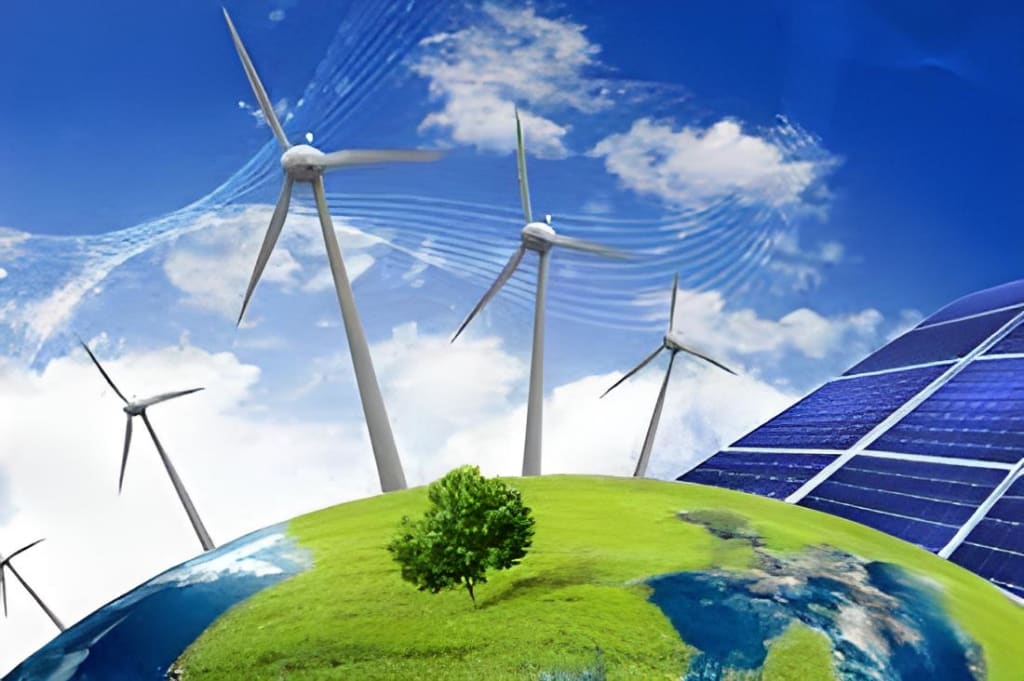
Renewable Energy Sources: Powering the Future
The 21st century has seen a surge in the global quest for sustainable energy, with renewable energy sources becoming paramount in addressing the world's growing energy needs and environmental concerns. As we strive for a future less reliant on fossil fuels, renewable energy offers a promising and eco-friendly path. This article delves deep into the world of renewable energy sources, highlighting their significance, types, advantages, and the challenges that lie ahead.
What is Renewable Energy?
At its core, renewable energy refers to power derived from resources that are naturally replenished on a human timescale, such as sunlight, wind, rain, tides, waves, and geothermal heat. Unlike fossil fuels, which are finite and emit greenhouse gases when burned, renewable sources provide cleaner energy, mitigating the effects of climate change.
Types of Renewable Energy Sources
1.Solar Energy: Perhaps the most recognized renewable energy source, solar energy harnesses the power of the sun. Photovoltaic cells, commonly seen on rooftops, convert sunlight directly into electricity. Solar farms use mirrors to concentrate sunlight, producing heat that drives a steam turbine and generates electricity.
2.Wind Energy: Wind turbines, towering structures with spinning blades, convert kinetic energy from the wind into mechanical power. This energy then powers a generator to produce electricity. Wind farms can be found both onshore and offshore, depending on geographical and logistical considerations.
3.Hydropower (or Hydroelectric Power): This age-old technology captures energy from flowing water. Traditional dams harness potential energy from stored water, which, when released, turns turbines and produces electricity. 'Run-of-the-river' systems generate power without storing water in large reservoirs.
4.Biomass: Organic materials, such as plants and waste, are burned or biologically processed to produce electricity or to create biofuels like ethanol and biodiesel. Biomass represents stored solar energy, and its conversion releases the energy.
5.Geothermal Energy: The Earth's core, teeming with heat, can be tapped for energy. Geothermal power plants harness heat from below the Earth's surface to generate steam which turns turbines.
6.Tidal and Wave Energy: The movement of seawater, particularly tides and waves, holds kinetic and potential energy that can be harnessed. Although it's in the nascent stage of development, tidal and wave energy offers enormous potential.
7.Ocean Thermal Energy: The temperature difference between the ocean's warm surface and cooler deep waters can be utilized to produce electricity through the ocean thermal energy conversion process.
Advantages of Renewable Energy
Environmental Benefits: Renewable sources produce little to no greenhouse gas emissions, reducing the carbon footprint and curbing climate change.
Economic Growth: The renewable energy sector offers new jobs, from manufacturing to installation and maintenance.
Energy Independence: Harnessing local energy sources reduces reliance on imported fuels, bolstering national energy security.
Stability: Renewable energy often has fixed or decreasing costs, shielding consumers from the volatile prices of fossil fuels.
Challenges Ahead
While the advantages are compelling, renewable energy also faces challenges:
Intermittency: Solar and wind energy, in particular, are not continuous. This intermittency requires efficient energy storage solutions or backup systems.
Infrastructure: The transition to renewables demands substantial infrastructure changes, from new transmission lines to updated grids.
Initial Costs: Although costs have been decreasing, the initial investment for renewable energy technologies can be higher than conventional sources.
Land Use: Certain renewable sources, such as large solar farms or biofuel crops, require significant land, which might compete with other uses or disrupt local ecosystems.
Conclusion
The global momentum towards renewable energy sources reflects a collective acknowledgment of the environmental, economic, and societal benefits they offer. While challenges persist, the technological advancements, policy supports, and societal commitment to a sustainable future pave the way for renewables to play a central role in the global energy landscape. Investing in renewable energy not only addresses immediate concerns but also ensures a brighter, cleaner future for generations to come.
About the Creator
Keep reading
More stories from writers in Chapters and other communities.




Comments (1)
More knowledge on this is necessary. Thanks for sharing.