
Quest for the Lost City: ch1
Historical Myths and Legends


Historical Myths and Legends
The concept of a lost city has captivated the human imagination for centuries, often steeped in myths and legends that have transcended generations. Ancient narratives describe cities brimming with gold and unfathomable wealth, existing in realms unreachable by the modern world. From the Inca legend of Paititi, a city said to be hidden within the heart of the Amazon, to Atlantis, detailed by Plato as a highly advanced civilization that vanished into the ocean, these tales have been the cornerstone of countless expeditions.
Evidence from early explorers adds a layer of credibility to these myths. The chronicles of Spanish conquistadors, notably Francisco Pizarro and his search for El Dorado, tantalized European audiences with the promise of immense riches and ancient civilizations. Similarly, the journals of Percy Fawcett, who disappeared during an expedition in the Amazon in search of the City of Z, have intrigued scholars and adventurers alike.
Local folklore and oral traditions also play a formidable role in keeping the stories of these lost cities alive. Indigenous communities across different continents relay stories passed down through generations. These narratives often include locations, topographical features, and secretive paths leading to the cities. They serve as vital clues in the ongoing quest and an essential reminder of the blend between myth and reality.
Clues and Geographical Indicators
Geographical markers mentioned in ancient texts provide essential hints in the search for the lost city. Texts like those of the classical geographer Strabo and accounts of explorers such as Marco Polo frequently detail landmarks that lead adventurers closer to these enigmatic locations. These might include descriptions of rivers, mountain ranges, or specific alignments with celestial bodies.
Modern searches increasingly rely on technological methods to interpret these ancient clues. Satellite imagery and LiDAR (Light Detection and Ranging) technology reveal hidden structures beneath dense jungle canopies or desert sands. Substantial advancements in remote sensing technology have allowed researchers to uncover previously unknown settlements, bringing them one step closer to finding complete lost cities.

The role of archeological findings cannot be overstated. Unearthing artifacts like pottery, tools, and constructions provide tangible evidence linked to these myths. Notably, the discovery of the ruins of the city of Ubar, mentioned in the Quran, was made possible by archaeological and satellite data. These remnants confirm the existence of advanced, ancient civilizations that were thought to be lost to the sands of time.
Prominent Expeditions in History
Early 20th-century attempts to locate these lost cities were often marked by a blend of adventure and desperation. Percy Fawcett's expeditions into the Amazon are among the most iconic. Despite the perilous conditions and his eventual mysterious disappearance, Fawcett's persistent belief in the City of Z fueled numerous subsequent efforts.
Significant discoveries and near misses have shaped our understanding of these quests. The discovery of Machu Picchu by Hiram Bingham in 1911 reinvigorated interest in lost cities, proving that myths often have a foundation in reality. Similarly, explorations in the Mexican Yucatan revealed Maya cities like Palenque, rediscovered amidst dense tropical forests.
Technological evolution in explorations of lost cities has dramatically improved outcomes. The shift from ground-based expeditions to the use of drones, advanced imaging technologies, and AI-driven analysis equips modern explorers with tools that early adventurers could only dream about. These innovations have considerably opened up possibilities, allowing for precise exploration with minimal environmental disruption.

Cultural and Historical Significance
The search for lost cities has a profound impact on local cultures and societies. In many cases, these quests illuminate the rich histories and accomplishments of indigenous civilizations, fostering a sense of pride among descendants. The acknowledgment of these ancient cities underscores the cultural heritage of local communities, ensuring its preservation for future generations.
In a broader historical context, uncovering lost cities enriches our understanding of human history. They provide crucial insights into ancient trade routes, agricultural practices, and social hierarchies. Understanding the intricacies of these ancient societies enables historians to piece together a more comprehensive picture of human development.
Moreover, the idea of lost cities has permeated modern pop culture, influencing literature, films, and video games. Iconic characters like Indiana Jones embody the spirit of adventure and discovery that these tales evoke. Popular media perpetuate the fascination with these mysteries, demonstrating their timeless appeal and enduring influence.
Challenges in the Search
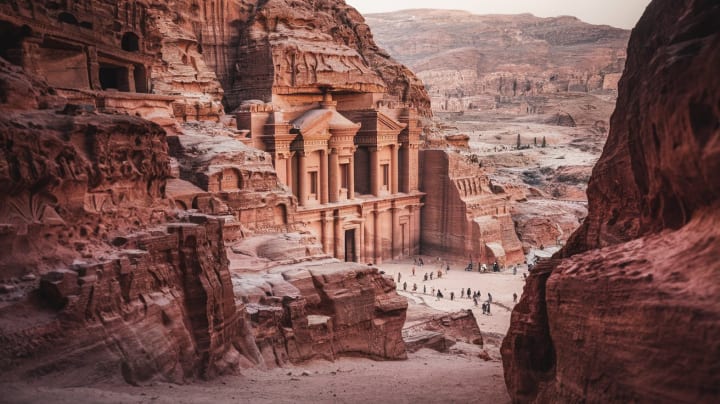
Environmental and geographic barriers present some of the most formidable challenges in the search for lost cities. Dense jungles, expansive deserts, and treacherous mountain terrains often conceal these ancient metropolises from modern eyes. The Amazon rainforest, with its impenetrable foliage and diverse wildlife, exemplifies such a challenging environment that has thwarted many an intrepid explorer.
Logistical and financial obstacles also pose significant hurdles. Funding large-scale expeditions, securing the necessary equipment, and sustaining a workforce over potentially long periods require substantial resources. Additionally, the risk of diseases and injuries adds further complications to these treacherous quests.
Political and legal complications can also hinder the search. Sensitive geopolitical areas, restrictive access policies, and the need for permits often delay or entirely prevent hopeful endeavors. For instance, regions fraught with conflict or strict governmental regulations pose significant challenges to obtaining the necessary permissions for archaeological digs.

Theories and Speculations
Popular theories among scholars abound, each proposing intriguing yet varied explanations for the existence and location of lost cities. Some scholars argue that lost cities like Atlantis existed as highly advanced civilizations but were destroyed by natural disasters. Alternatively, researchers suggest that cities like Paititi could be hidden within the less explored parts of the Amazon, awaiting discovery by persistent explorers.
Alternative hypotheses propose that some of these legendary cities may never have existed as physical locations but rather symbolize human aspirations or moral tales. For instance, Atlantis has been interpreted by some as a philosophical metaphor used by Plato to illustrate the consequences of hubris.
Debunked myths and legends play an essential role in refining the focus of current searches. For example, extensive research has discredited the myth of El Dorado as a city of gold, though it has led to the recognition of impressive cultures like the Muisca. Each debunked legend provides lessons that refine future quests, helping distinguish between plausible evidence and mere myth.

Modern-Day Explorations
Modern-day explorations benefit significantly from recent technological advancements. Drones equipped with high-resolution cameras, LiDAR technology, and ground-penetrating radar (GPR) have revolutionized the methods of exploration. These advancements enable the detection of hidden structures and artifacts without the need for invasive and risky digs.
Key players in current searches for lost cities include a mix of academic institutions, governmental bodies, and private adventurers. Notable institutions like the National Geographic Society and universities with robust archaeological programs spearhead many of these initiatives. Private individuals and organizations also contribute significantly, often driven by a blend of intellectual curiosity and adventurous spirit.
Recent discoveries have been promising, with findings like the lost cities of the Khmer Empire and the remains of significant pre-Columbian settlements in the Amazon. These discoveries not only validate many myths and legends but also provide rich data that broadens our historical understanding.

Future of the Quest
Potential breakthroughs on the horizon are tantalizingly close, facilitated by continual technological advancements and collaborative efforts. The integration of AI and machine learning in interpreting vast datasets can potentially reveal patterns and markers previously unnoticed by human researchers.
Collaborative international efforts are crucial in overcoming environmental, logistical, and political challenges. Multinational teams, supported by global organizations, can pool resources, share knowledge, and navigate complex bureaucratic landscapes, significantly enhancing the success rate of these searches.
The role of public interest and media is vital in sustaining these quests. Engaging documentaries, books, and interactive media maintain and amplify public curiosity, generating the necessary funding and support for continued exploration. Public interest not only ensures financial backing but also drives the cultural relevance of these endeavors. As the quest for the lost city continues, it is this blend of advanced technology, international collaboration, and public enthusiasm that will ultimately illuminate the hidden corners of our ancient world.

About the Creator
FLUENT IN FORBIDDEN — CHAPTER FIFTEEN
"The clock has struck three, the coffee is cold, and the shadows are beginning to speak. Welcome back to the desk of The Night Writer, where the stories are brewed in the dark. Tonight, we find that the most dangerous place to be isn't in the line of fire—it’s in the memory of a man who has nothing left to lose but his secrets."
By The Night Writer 🌙 7 days ago in Chapters
Guard Your Battery
Why are some people so attractive just by standing there? It’s not because they are "likable," but because they don’t need everyone to like them. I realized later that truly charismatic people allow themselves to be criticized, but they never criticize themselves. They never try to please the world; instead, the world stops to watch them.
By Emily Chan - Life and love sharing3 days ago in Poets


Comments
There are no comments for this story
Be the first to respond and start the conversation.