


Psalm 46 is a powerful and comforting chapter in the Book of Psalms, traditionally attributed to the sons of Korah. It is a hymn of faith that emphasizes God's protection, strength, and presence amidst chaos and turmoil. Here's a detailed summary of this chapter:
### Overview
Psalm 46 is a profound declaration of faith in God as a refuge and a source of strength during times of trouble. It presents a vivid picture of God's supremacy over the forces of nature and human conflict. The psalm is often divided into three main sections: verses 1-3, 4-7, and 8-11, each focusing on different aspects of divine security and assurance.
### Verses 1-3: God as Our Refuge and Strength
The psalm begins with a strong affirmation of God’s protective nature: “God is our refuge and strength, an ever-present help in trouble.” This opening verse sets the tone for the rest of the psalm, highlighting that God is a reliable sanctuary and source of power during difficult times.
The psalmist then describes various forms of natural disaster—earthquakes and the uprooting of mountains—and illustrates how these disasters might cause fear and upheaval. Despite these dramatic events, the faithful need not be afraid. The imagery of the mountains falling into the sea represents extreme instability and calamity, but the assurance is that even in such dire circumstances, God remains a steadfast refuge.
### Verses 4-7: The River of Life and Divine Sovereignty
The second section contrasts the previous chaotic imagery with a vision of calm and stability. It introduces a “river” that makes the city of God, the holy place where the Most High dwells, rejoice. This river symbolizes God’s presence and blessing, which provide a sense of peace and order amid the turmoil.
The psalmist describes how God is in the midst of this city, implying His active presence and involvement. The river and the city imagery suggest a divine order and security that remain unaffected by the surrounding chaos.
The passage continues by mentioning how God has subdued the nations and their tumultuous efforts. The imagery of nations in uproar and kingdoms falling represents the broader context of human strife and conflict. However, God's sovereignty is unwavering; He speaks, and the earth melts—an indication of His supreme authority over all creation.
### Verses 8-11: Call to Witness and Divine Assurance
In the final section, the psalmist invites the people to witness the works of the Lord. This call to observe God’s mighty deeds includes His actions in bringing desolation to the earth’s battlefields and His role in establishing peace. The phrase “He makes wars cease to the ends of the earth” reflects God’s ability to bring about peace and resolution even in the most conflict-ridden situations.
The well-known verse “Be still, and know that I am God” is part of this concluding section. It is a direct command to pause and recognize the divinity and sovereignty of God. This call for stillness is not just about physical quietness but also about an inner recognition of God's ultimate control and presence.
The psalm concludes with a reassurance of God's continued presence and support. It reaffirms that the Lord Almighty is with us and that the God of Jacob is our fortress. This final statement echoes the theme of divine protection and strength that runs throughout the psalm.
### Themes and Significance
**1. Divine Refuge and Strength:** The central theme of Psalm 46 is that God is a dependable refuge and source of strength. This theme is reiterated through various metaphors and imagery, emphasizing that in any situation, whether natural disasters or human conflicts, God provides safety and support.
**2. Peace Amid Chaos:** The psalm contrasts the chaos of natural disasters and human strife with the peace and stability provided by God’s presence. The imagery of a river and a fortified city underscores the idea of God as a source of calm and security.
**3. Divine Sovereignty:** The psalm emphasizes God’s sovereignty over all creation and human affairs. His ability to control nature and bring about peace is a central focus, reinforcing the belief in His supreme authority.
**4. Call to Reflection:** The invitation to “be still” and acknowledge God’s divinity serves as a call to trust and reflect on God’s power and presence. It encourages believers to pause and recognize that, despite external chaos, God remains in control.
In summary, Psalm 46 is a profound expression of trust in God’s protection and sovereignty. It assures believers that God is a reliable refuge during tumultuous times, offering both peace and strength. The psalm’s vivid imagery and powerful declarations provide comfort and encouragement, reinforcing the belief in God’s unwavering presence and control over all aspects of life.
About the Creator
Danny Prem kumar
A vision is our long-term goals and aspirations for the future in terms of its long-term growth and impact on this world. My mission defines what we do and what we stand for, while our vision speaks to our goals and ideals for the future.
Keep reading
More stories from Danny Prem kumar and writers in Chapters and other communities.
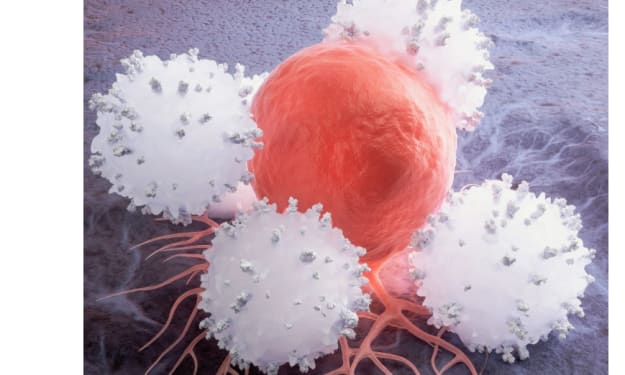
Coffee may eventually turn cancer treatments on and off.
Without thinking twice, the majority of us reach for coffee. Scientists are now transforming that well-known shock into something even more accurate: a switch that can regulate gene editing within living cells.
By Francis Dami2 days ago in Chapters
Pearl
1980 something. we all hung out at Pearl and you and i were nothing special, or so i thought. i mean we all danced, drenched in our own sweat, our own saline solution of fear, too many beers, shots, laughter, tears, fucks in the bathroom and i don't know when we began to be afraid. do you?
By ROCK aka Andrea Polla (Simmons)6 days ago in Fiction



Comments (1)
Being still is the ultimate worship. Right up there with faith, I think