
Proverbs Chapter 3
Summary of this chapter.

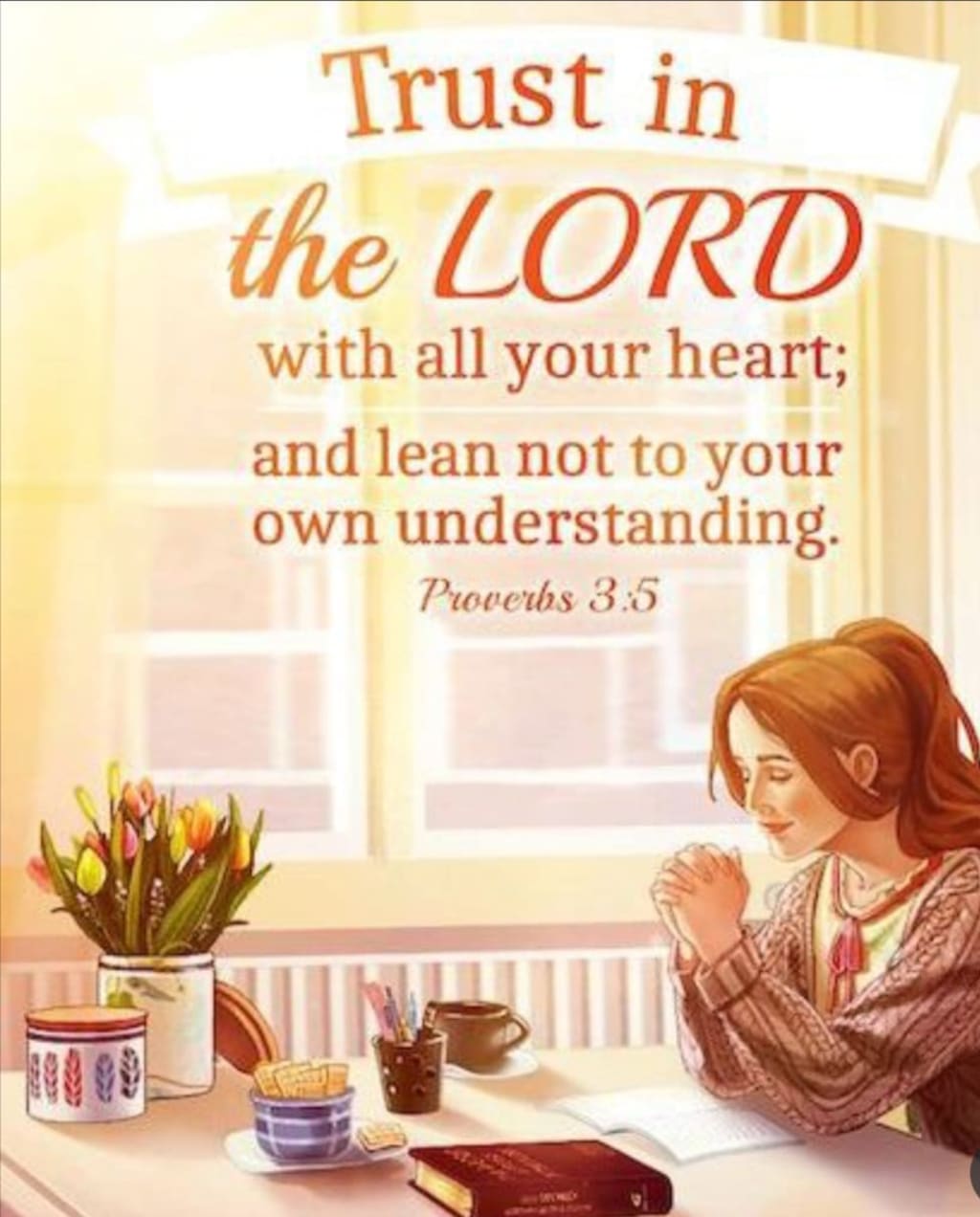
Proverbs Chapter 3 is a treasure trove of wisdom and practical guidance, attributed to King Solomon, who is traditionally credited with much of the biblical book of Proverbs. This chapter provides a series of instructions and insights aimed at helping individuals live a life marked by wisdom, trust in God, and moral integrity. The chapter is composed of several key themes and practical advice, delivered in a poetic and memorable style.
### **1. Trust in the Lord (Verses 1-8)**
The chapter begins with an appeal to remember and follow the teachings of wisdom:
- **Verses 1-2:** Solomon urges his son to keep his commandments and wisdom close to his heart. He emphasizes that adhering to these teachings will lead to a long and peaceful life, characterized by "length of days, and long life, and peace." This promise of peace and longevity highlights the value of living in accordance with divine principles.
- **Verses 3-4:** The text advises maintaining steadfast love and faithfulness, suggesting that these virtues should be worn like a necklace. This imagery conveys the idea that these qualities should be as visible and integral to one's life as outward adornments. By doing so, one will find favor and a good reputation in the eyes of both God and people.
- **Verses 5-6:** These are among the most well-known verses in Proverbs. They instruct readers to "Trust in the Lord with all your heart and lean not on your own understanding." This is a call to place complete confidence in God's guidance rather than relying on personal wisdom alone. The promise attached to this trust is that God will direct one's path, providing clarity and guidance in life’s journey.
- **Verses 7-8:** Solomon advises against being wise in one's own eyes and encourages a healthy fear of the Lord. He stresses that humility and reverence for God lead to true wisdom and will result in physical health and well-being.
### **2. Honoring God with Wealth (Verses 9-10)**
Solomon continues with practical advice on financial stewardship and generosity:
- **Verses 9-10:** The text calls for honoring the Lord with one's wealth and the firstfruits of one's produce. This means dedicating the best and first of one's earnings to God. The result of such honor is depicted as abundant prosperity, where "your barns will be filled with plenty, and your vats will overflow with new wine." This imagery illustrates the blessings that come from putting God first in all aspects of life, including financial matters.
### **3. The Value of Discipline (Verses 11-12)**
Solomon discusses the importance of accepting divine correction:
- **Verses 11-12:** These verses acknowledge that discipline and correction from the Lord are signs of His love. Rather than viewing discipline as punitive, it should be seen as an expression of God’s care and commitment to our growth and well-being. Solomon advises embracing such discipline, understanding it as a part of the path to becoming a wiser and more righteous person.
### **4. The Blessings of Wisdom (Verses 13-20)**
The chapter extols the benefits of wisdom and understanding:
- **Verses 13-15:** Wisdom is described as precious and valuable, more so than silver or gold. It is portrayed as a source of happiness and fulfillment, suggesting that wisdom offers not just material benefit but also deep, lasting joy.
- **Verses 16-18:** These verses continue to celebrate wisdom, describing it as offering both long life and riches. Wisdom is personified as a companion that leads to a "tree of life," symbolizing vitality and enduring prosperity. This imagery underscores wisdom’s role in providing a flourishing, meaningful life.
- **Verses 19-20:** These final verses in this section reflect on the creation of the world, suggesting that wisdom was present with God during creation. This reinforces the idea that wisdom is fundamental to the order and functioning of the universe, further enhancing its value and desirability.
### **5. Wisdom in Social Relations (Verses 21-35)**
The chapter concludes with practical advice for interpersonal relationships and living a righteous life:
- **Verses 21-26:** Solomon advises keeping wisdom and discretion close, as they provide protection and confidence. He assures that those who follow wisdom will not fear sudden disaster or misfortune because they will be under divine protection.
- **Verses 27-30:** The text encourages generosity and fair dealings with others. It instructs against withholding good from those who deserve it and speaks against engaging in disputes or malicious behavior. The call here is for integrity and kindness in social interactions.
- **Verses 31-35:** Solomon warns against envying or imitating the ways of the wicked. Instead, he advises following the path of the righteous, as this leads to honor and divine favor. The chapter closes by contrasting the fate of the wicked with the blessings that come to the just.
### **Conclusion**
Proverbs Chapter 3 is a rich source of ethical and spiritual guidance. It emphasizes trust in God, the value of wisdom, financial stewardship, and the importance of righteous behavior. By adhering to these principles, individuals are promised a life of peace, prosperity, and divine favor, underscoring the chapter's enduring relevance and practical wisdom for living a life aligned with divine principles.
About the Creator
Danny Prem kumar
A vision is our long-term goals and aspirations for the future in terms of its long-term growth and impact on this world. My mission defines what we do and what we stand for, while our vision speaks to our goals and ideals for the future.
Keep reading
More stories from Danny Prem kumar and writers in Chapters and other communities.
Zechariah Chapter 9
Zechariah Chapter 9 is a rich and complex passage in the Hebrew Bible, part of the Old Testament. It is attributed to the prophet Zechariah, who is believed to have lived in the 6th century BCE, around the time of the restoration of Jerusalem following the Babylonian exile. This chapter is notable for its messianic prophecies, oracles against neighboring nations, and poetic imagery. Here’s a detailed exploration of the chapter:
By Danny Prem kumarabout a year ago in Chapters
Valentine's Dates Over the Years
Colin grinned as Brooklyn slipped into the living room. “Is it all set?” he asked. The twenty-one year old grinned. She was in her last year of college and Colin knew that Lincoln was proud of her. Although she had been away at college, she’d eagerly helped Colin plan his surprise for Lincoln. “I’m so glad you’re finally doing this,” she said.
By Reb Kreyling19 days ago in Chapters
When the Shelter Closes
Across the street from my house, a man slept under a tree, his dog by his side. My first, naive thought: he must be traveling through. But he kept coming back, often sleeping there during the day. Then it hit me—that person might not have a home.
By Bride of Sound5 days ago in Humans



Comments
There are no comments for this story
Be the first to respond and start the conversation.