
Proverbs Chapter 15
Summary of this chapter.

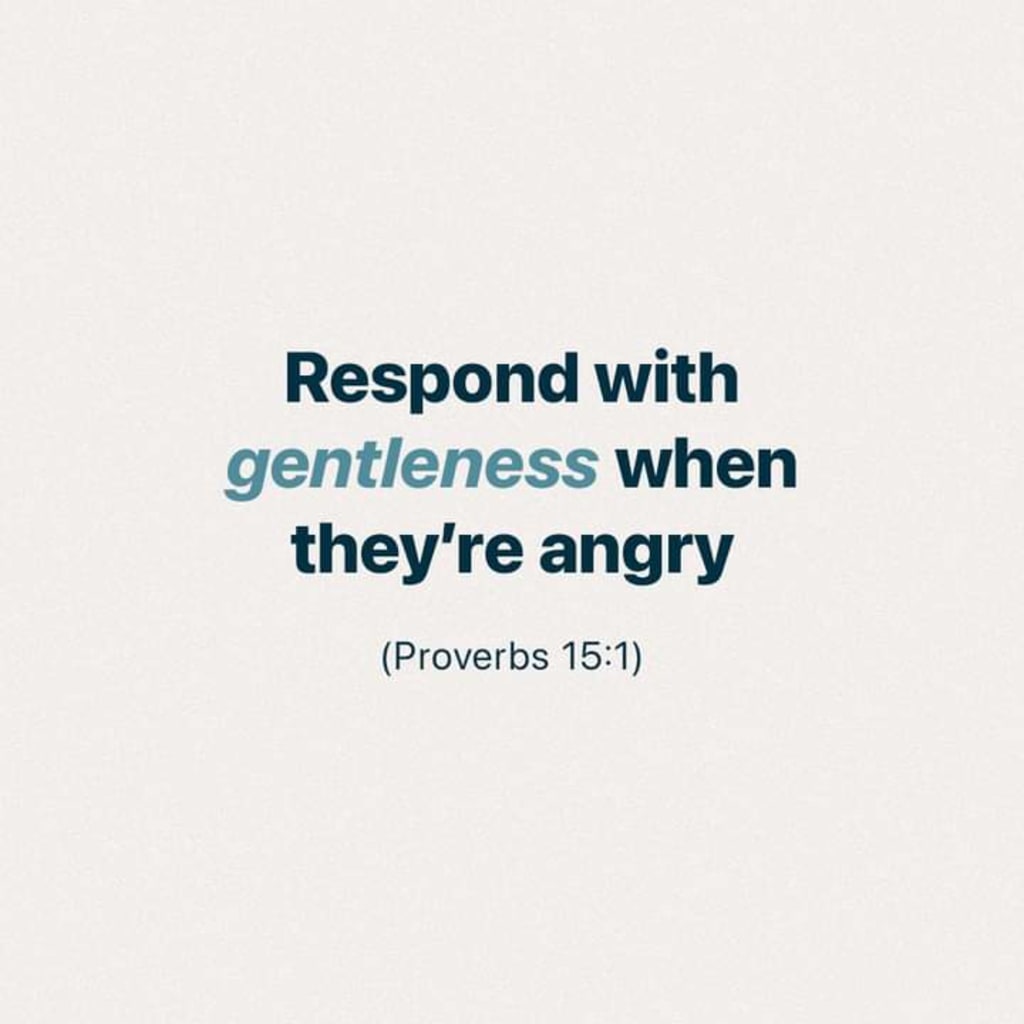
### **1. The Power of Words (Verses 1-4)**
The chapter opens by highlighting the impact of words, particularly the difference between **gentle speech** and harsh words. **A soft answer turns away wrath**, whereas **harsh words stir up anger** (v. 1). This teaching underscores the idea that how we speak can either diffuse or escalate conflict. The proverb advocates for measured, calm responses in times of tension as a means to promote peace.
Verse 2 reinforces this by contrasting the speech of the **wise** and the **foolish**. The wise use knowledge appropriately, speaking with thoughtfulness, while the foolish pour out folly, speaking without regard for consequences. This distinction reflects a broader theme in Proverbs: wise people carefully consider their words, while fools are careless in their speech, often leading to strife.
In verse 4, **gentle words** are described as a **tree of life**, highlighting their power to bring healing, encouragement, and renewal. In contrast, **perversity** in speech can break the spirit, showing that hurtful, dishonest, or destructive language causes deep emotional harm. Together, these proverbs underscore the transformative potential of speech, encouraging wisdom in communication.
#### **2. God’s Knowledge and the Righteous Life (Verses 5-9)**
The next section contrasts the responses of the **wise** and the **foolish** to discipline. In verse 5, a **fool despises a parent’s instruction**, while the **wise** listen to correction. This emphasizes the importance of being teachable and humble, especially in accepting advice or discipline from authority figures.
In verses 3 and 8, the focus shifts to the all-knowing nature of God. Verse 3 states, **The eyes of the Lord are in every place, keeping watch on the evil and the good.** This is a reminder that nothing is hidden from God; He sees both righteous and wicked actions and will hold people accountable. This awareness of God's omniscience is intended to encourage righteous living and deter sin.
The theme of God's relationship with the righteous and the wicked is developed further in verses 8 and 9, where Solomon notes that the Lord detests the sacrifices of the wicked but **delights in the prayers of the upright**. These verses teach that God is more concerned with the sincerity of one's heart than with religious rituals. The wicked may offer sacrifices, but without a righteous heart, these offerings are meaningless. In contrast, the prayers of the upright are pleasing to God because they come from a place of genuine devotion.
#### **3. The Importance of Humility and Wisdom (Verses 10-19)**
In verses 10-12, Solomon discusses the consequences of rejecting correction. **Severe discipline** awaits those who forsake the way, and those who hate reproof will die. This teaches that failing to heed wisdom and correction leads to destruction. Moreover, in verse 12, the proverb observes that **scoffers** resent advice and avoid the wise, further reflecting the stubbornness of the foolish who refuse to grow through discipline.
The next verses contrast the **joy** and **contentment** of the wise with the dissatisfaction and trouble of the foolish. Verse 13 states, **A glad heart makes a cheerful face, but by sorrow of heart, the spirit is crushed.** This highlights the connection between internal attitudes and outward expressions. A person with a joyful heart is reflected in their demeanor, whereas a heavy heart is visible through their sorrowful countenance.
The idea of contentment is revisited in verse 16, where it says, **Better is a little with the fear of the Lord than great treasure and trouble with it.** Solomon emphasizes that godliness and reverence for God bring more satisfaction than wealth. Pursuing righteousness and living with integrity provide peace, while wealth gained without righteousness only brings trouble and anxiety.
Verse 17 echoes this sentiment, teaching that a simple meal in a home filled with **love** is better than a feast where there is **hatred**. Once again, Solomon values peace and love above material wealth or extravagance.
#### **4. Living with Understanding and Patience (Verses 20-33)**
The last section of the chapter includes proverbs that focus on the qualities of **patience, understanding**, and **righteous behavior**. In verse 22, Solomon reminds us that **plans fail for lack of counsel, but with many advisers they succeed.** This reinforces the idea that seeking advice from others is an essential component of wise living. The wise do not act impulsively but take time to consult others and consider different perspectives before making decisions.
Patience is also extolled in verse 18, which contrasts the behavior of a **hot-tempered person**, who stirs up conflict, with a **patient person**, who calms disputes. This teaches the value of restraint and peacemaking, encouraging believers to respond calmly rather than react impulsively.
The chapter concludes by emphasizing the consequences of one's actions and attitudes. **The fear of the Lord is instruction in wisdom, and humility comes before honor** (v. 33). This final verse encapsulates one of the central messages of Proverbs: true wisdom begins with reverence for God, and those who humble themselves will ultimately receive honor.
About the Creator
Danny Prem kumar
A vision is our long-term goals and aspirations for the future in terms of its long-term growth and impact on this world. My mission defines what we do and what we stand for, while our vision speaks to our goals and ideals for the future.
Keep reading
More stories from Danny Prem kumar and writers in Chapters and other communities.
1 Thessalonians Chapter 5
### Summary of 1 Thessalonians Chapter 5 1 Thessalonians 5 is the concluding chapter of Paul’s first letter to the Thessalonians, offering a mixture of eschatological teaching (about the end times), ethical exhortations, and final instructions for Christian living. The chapter focuses on preparedness for the **Day of the Lord**, encouragement to live in light of Christ’s return, and practical advice for building a loving and healthy church community. Paul writes with urgency and hope, encouraging the Thessalonians to live faithfully and expectantly, as they await Christ’s return.
By Danny Prem kumarabout a year ago in Chapters
The Guardian Chapter V
Alexander left his Coming of Age ceremony with Cronos and the elders with as many new questions as he had answers for his old questions. Cronos had confirmed his suspicions were correct. Not only was there a link between the Beast Masters and the inhabitants of the Citadel, but it was the Citadel's fault that the Beast Masters existed in the first place. Instead of banishing the law breakers which allowed them to wreak havoc on the rest of humanity, the Citadel elders should have stripped them of their powers before they became too strong. Now Alexander would need to battle the Beast Masters and the Jikininki. It would be difficult for him to forgive the Citadel Elders because their poor decisions led to the deaths of his parents and more than half the planet's human population.
By Mark Gagnon16 days ago in Chapters




Comments
There are no comments for this story
Be the first to respond and start the conversation.