

Proverbs Chapter 15 is a rich collection of wise sayings that provide practical guidance on how to live a righteous and fulfilling life. The chapter is characterized by its emphasis on the importance of speech, the benefits of wisdom, and the consequences of foolishness. Here's a summary of its key themes and verses:
1. **The Power of Words (Verses 1-4)**:
The chapter begins by highlighting the impact of words. A gentle answer is described as a way to defuse anger, while harsh words can escalate conflicts. This illustrates the importance of speaking with kindness and consideration. The chapter also emphasizes that wholesome or "gentle" words can bring healing, whereas perverse or deceitful speech can cause damage.
2. **The Value of Wisdom (Verses 5-7)**:
Wisdom is portrayed as essential for a good life. Those who embrace correction and instruction are seen as wise, while those who reject it are considered foolish. The chapter points out that the wise use their knowledge for good, while the foolish misuse it or ignore it altogether.
3. **God’s Insight and Human Actions (Verses 8-11)**:
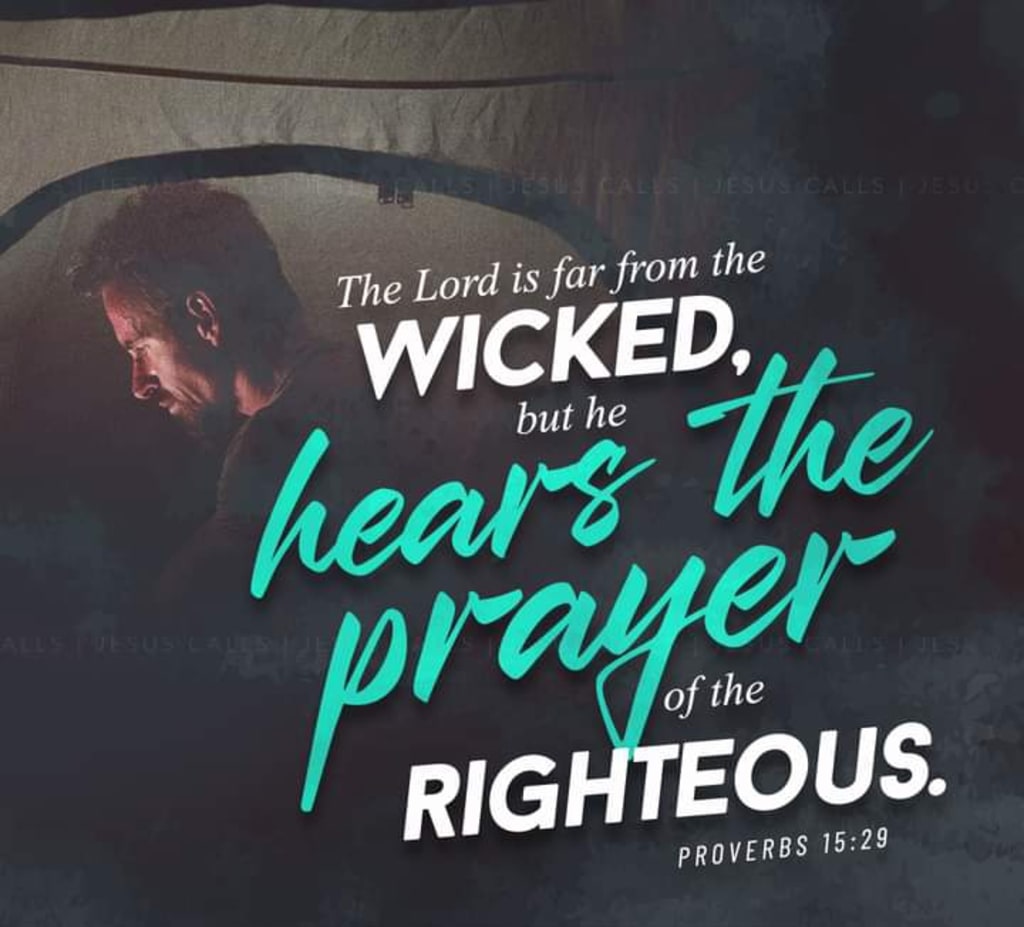
The chapter discusses the nature of God's justice and how it relates to human actions. God delights in the prayers of the righteous and is displeased with the sacrifices of the wicked. It also asserts that God has complete knowledge of human hearts and actions, and nothing is hidden from Him.
4. **The Path of the Righteous vs. the Wicked (Verses 12-17)**:
This section contrasts the lives of the righteous and the wicked. The righteous are depicted as wise and understanding, while the wicked are seen as mockers who reject wisdom and discipline. It underscores that living a life of righteousness leads to joy and peace, whereas a life of wickedness leads to trouble and dissatisfaction.
5. **The Importance of a Humble Heart (Verses 18-20)**:
The chapter emphasizes the value of humility and patience. It suggests that a person who is quick to anger will face strife, while a patient person will gain favor. The wise are seen as those who respect their parents and seek understanding, whereas foolish individuals act impulsively and lack respect.
6. **The Influence of the Heart (Verses 21-23)**:
It notes that the heart influences behavior. A joyful heart leads to a good life, while a heart burdened by sorrow can lead to hardship. The chapter points out that a wise person’s choices reflect their understanding and insight, contributing to a better life.
7. **The Role of the Wise in Society (Verses 24-27)**:
The wise are described as those who seek to live a life of understanding and grace. They are often in positions where they can provide guidance and support to others. The chapter warns against the destructive nature of greed and emphasizes the importance of living a life of contentment and generosity.
8. **The Final Reflections (Verses 28-33)**:
The chapter concludes by reflecting on the attitudes of the wise versus the foolish. The wise carefully consider their responses and decisions, while the foolish act without thought. It emphasizes that the fear of the Lord is the beginning of wisdom and that humility and reverence for God are essential for a well-lived life.
Proverbs Chapter 15 offers practical advice on how to navigate relationships, make wise decisions, and live a life that is pleasing to God. It underscores the importance of wisdom, the power of words, and the value of living in accordance with divine principles.
Proverbs Chapter 15 emphasizes that wisdom and humility lead to a fulfilling life, while foolishness and harshness result in conflict and dissatisfaction. It underscores the importance of kind words, righteous behavior, and aligning with divine principles. The chapter concludes that God's favor and peace are found through righteous living.
About the Creator
Danny Prem kumar
A vision is our long-term goals and aspirations for the future in terms of its long-term growth and impact on this world. My mission defines what we do and what we stand for, while our vision speaks to our goals and ideals for the future.
Keep reading
More stories from Danny Prem kumar and writers in Chapters and other communities.
Is This War Turning Into World War III?
Is This War Turning Into World War III? The question many people around the world are quietly asking today is unsettling but unavoidable: Is the current war climate pushing humanity toward World War III? What once appeared to be localized conflicts in the Middle East are now entangled with global rivalries, advanced technologies, and fragile alliances. History shows that world wars rarely begin with a single dramatic declaration. Instead, they grow out of overlapping crises, miscalculations, and escalating power struggles—many of which are visible today.
By Wings of Time 3 days ago in Chapters
Review of 'Man on the Run'
My wife and I saw Man on the Run, a nearly 2-hour documentary on Amazon Prime, about Wings, Paul McCartney's group that flew around the world from shortly after The Beatles broke up in early 1970 to shortly after John Lennon was murdered at the end of 1980, making a Beatles reunion forever impossible.
By Paul Levinson4 days ago in Beat


Comments
There are no comments for this story
Be the first to respond and start the conversation.