
Milk Delivery Software: The Answer to Rising Fuel and Labor Costs
Simplify large dairy operations with milk delivery software for smarter, faster, and efficient management.

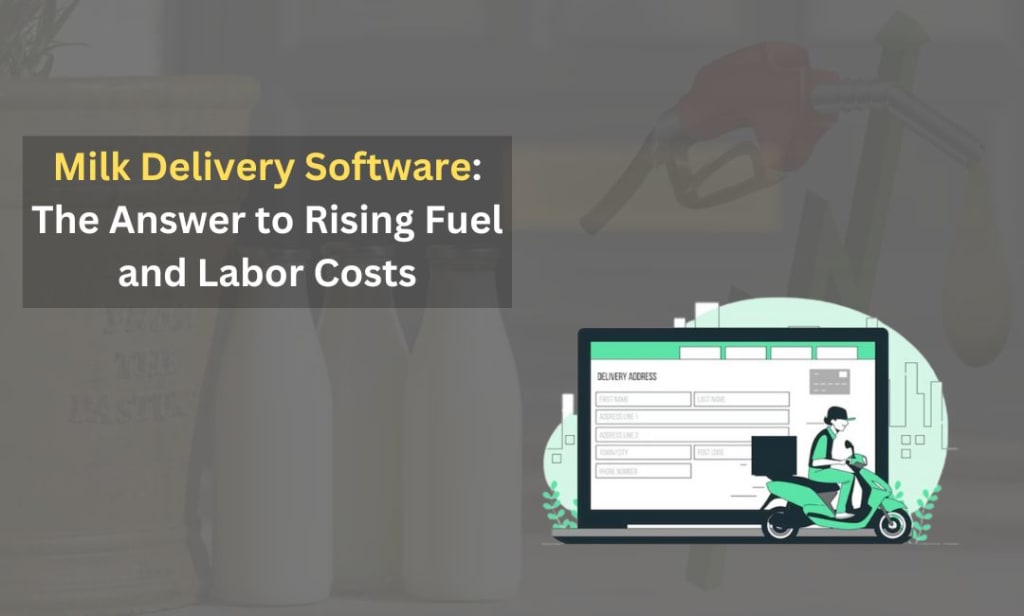
The dairy industry, like many others, is facing a squeeze. On one side, consumer demand for fresh, high-quality dairy products remains strong. On the other, businesses are grappling with the relentless rise of fuel and labor costs, impacting everything from production to the crucial last-mile delivery. These increasing expenses threaten profitability and make it challenging for dairies of all sizes to stay competitive.
Fortunately, there's a powerful tool that can help: milk delivery software. This technology offers a suite of features designed to optimize delivery routes, streamline operations, and ultimately mitigate the impact of rising costs.
The Challenge: Fuel and Labor Volatility
Fuel prices are notoriously unpredictable. Global events, supply chain disruptions, and seasonal demand can all send prices soaring, making it difficult for dairies to budget effectively. Similarly, labor costs are steadily increasing. Finding and retaining qualified drivers is becoming more competitive, and businesses are often forced to offer higher wages and benefits to attract and keep talent. These combined factors can significantly erode profit margins, especially for businesses with extensive delivery networks.
Traditional delivery methods often rely on manual route planning, which can be inefficient and prone to errors. Drivers may take longer routes than necessary, leading to increased fuel consumption and wasted time. Furthermore, without real-time tracking and communication, it's difficult to respond to unexpected delays or customer changes, resulting in further inefficiencies and potential customer dissatisfaction.
How Milk Delivery Software Provides a Solution
Milk delivery software tackles these challenges head-on by providing a range of features designed to optimize every aspect of the delivery process:
- Intelligent Route Optimization: This is perhaps the most impactful feature. Advanced algorithms analyze factors like delivery locations, time windows, vehicle capacity, and traffic conditions to create the most efficient routes possible. This minimizes driving distance, reduces fuel consumption, and allows drivers to complete more deliveries in less time. Some systems even offer dynamic route optimization, adjusting routes in real-time based on traffic updates or last-minute order changes.
- Automated Scheduling and Dispatch: Software eliminates the need for manual scheduling, saving valuable administrative time. It can automatically assign deliveries to drivers based on their availability, location, and vehicle type. This ensures that deliveries are made on time and that resources are utilized effectively. Real-time dispatching capabilities allow for quick adjustments and communication with drivers throughout the day.
- Real-Time Tracking and Visibility: GPS tracking provides a live view of each vehicle's location, allowing businesses to monitor progress, identify potential delays, and proactively address any issues. This transparency also enhances customer service by providing accurate delivery estimates and notifications. Customers appreciate knowing when to expect their delivery, and businesses can proactively manage any potential problems.
- Proof of Delivery and Digital Documentation: Electronic proof of delivery (ePOD) eliminates paperwork and streamlines the billing process. Drivers can capture signatures, photos, and notes directly on their mobile devices, providing a complete record of each delivery. This reduces administrative overhead and improves accuracy. Digital documentation also makes it easier to track deliveries, resolve disputes, and analyze performance data.
- Improved Communication and Customer Service: Many software solutions include features for direct communication between dispatchers, drivers, and customers. This allows for real-time updates, quick resolution of issues, and a more personalized customer experience. Happy customers are more likely to remain loyal, which is essential for long-term business success.
- Data Analytics and Reporting: Milk delivery software generates valuable data on delivery times, fuel consumption, driver performance, and other key metrics. This data can be used to identify areas for improvement, optimize operations further, and make informed business decisions. By analyzing trends and patterns, businesses can continuously refine their delivery processes and maximize efficiency.
The Long-Term Benefits: Sustainability and Growth
Beyond the immediate cost savings, milk delivery software contributes to the long-term sustainability and growth of dairy businesses.
By reducing fuel consumption, businesses can lessen their environmental impact and contribute to a greener future. Improved efficiency also allows businesses to scale their operations more easily, taking on new customers and expanding their delivery areas without a proportional increase in costs. In a competitive market, the ability to optimize operations and control expenses is crucial for success.
In conclusion, the rising costs of fuel and labor pose a significant challenge to the dairy industry. However, milk delivery software offers a powerful and effective solution.
By optimizing routes, automating processes, and providing real-time visibility, this technology empowers dairies to reduce expenses, improve efficiency, enhance customer service, and ultimately thrive.
About the Creator
Trakop
Our delivery management software is integrated with AI that helps in managing the orders and daily deliveries to customer’s doorsteps.
Valentine's Dates Over the Years
Colin grinned as Brooklyn slipped into the living room. “Is it all set?” he asked. The twenty-one year old grinned. She was in her last year of college and Colin knew that Lincoln was proud of her. Although she had been away at college, she’d eagerly helped Colin plan his surprise for Lincoln. “I’m so glad you’re finally doing this,” she said.
By Reb Kreyling27 days ago in Chapters
The Ancient Art of Screwing Up
“I think we’re going to get in trouble.” Ariana Starcove, mage apprentice to Grand Sorcerer Erdwin, would have mocked Serena for the supreme level of understatement if she wasn’t so scared. Not scared of getting in trouble, at least not immediately, but of the source of the wild bangs and flashes from the other side of the bookshelf. The wooden structure, lined with rare arcane tomes, was the only thing giving shelter to Ariana and her fellow apprentices from the powerful magical artifact which was currently… active.
By Joe Morgana day ago in Chapters



Comments
There are no comments for this story
Be the first to respond and start the conversation.