

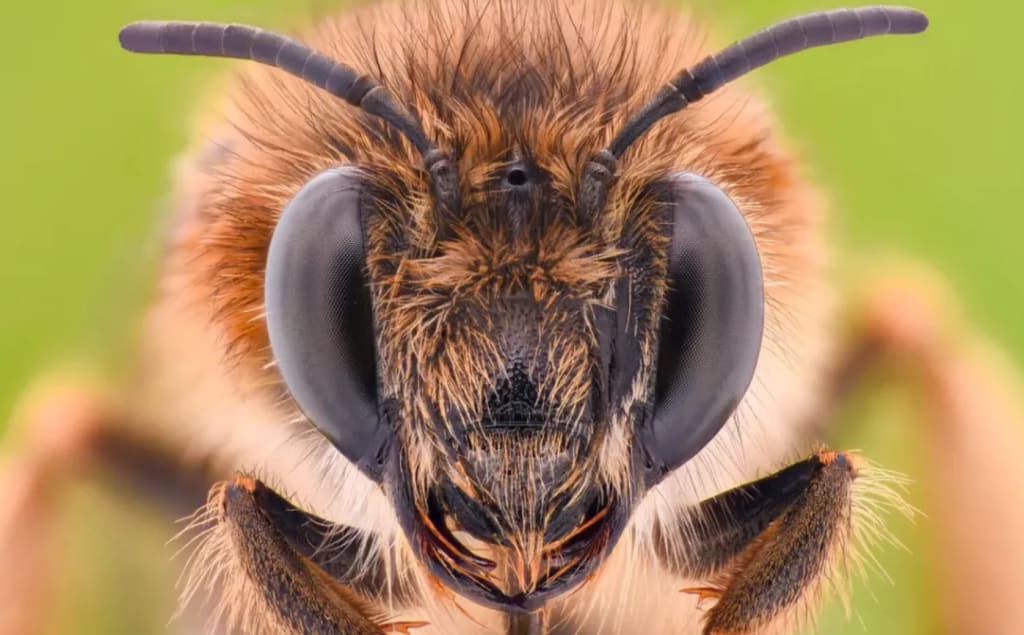
The Hive: A Superorganism
A beehive operates as a superorganism, where each bee functions as part of a larger whole. This complex society is divided into three main castes: the queen, the workers, and the drones.
1. The Queen: The queen is the sole egg-layer in the hive. Her primary role is reproduction, and she can lay up to 2,000 eggs per day. Her presence and health are vital for the hive’s stability. The queen also emits pheromones that regulate the behavior and development of the other bees.
2. The Workers: Worker bees are all female and are responsible for a variety of tasks. These include foraging for nectar and pollen, caring for the queen and larvae, producing honey, and defending the hive. Their roles change as they age, starting as nurse bees and progressing to foragers later in life.
3. The Drones: Male bees, or drones, have a single purpose: to mate with a virgin queen. Drones do not have stingers and do not participate in the hive’s daily chores. After mating, drones die, and those that do not mate are expelled from the hive before winter.
Communication: The Dance of the Bees
One of the most remarkable aspects of bee life is their method of communication. Bees use a sophisticated dance language to convey information about the location of food sources. The “waggle dance,” performed by foraging bees, communicates the distance and direction to flowers rich in nectar and pollen. This dance involves specific movements and vibrations, encoding complex information that other bees can decode and act upon.
Ecological Importance: The Unseen Guardians
Bees play a crucial role in pollinating many of the world’s crops and wild plants. This service is essential for the production of fruits, vegetables, and nuts, making bees vital to global food security. Their decline, driven by factors such as habitat loss, pesticides, and disease, poses a significant threat to ecosystems and human agriculture.
Intelligence and Problem-Solving
Bees exhibit remarkable problem-solving abilities and a level of intelligence that is surprising for such small creatures. They can navigate complex environments, remember locations, and even count. Studies have shown that bees can solve puzzles and learn from one another, demonstrating a form of collective intelligence.
Threats and Conservation
Despite their importance, bees face numerous threats. Habitat destruction, pesticide use, climate change, and diseases like Colony Collapse Disorder have led to significant declines in bee populations worldwide. Conservation efforts are essential to protect these vital insects. This includes creating bee-friendly habitats, reducing pesticide use, and supporting sustainable agricultural practices.
The secret life of bees reveals a world of complexity and wonder. These tiny creatures are not just producers of honey but are integral to the health of ecosystems and agriculture. Understanding and protecting bees is crucial for maintaining the balance of nature and ensuring the sustainability of our food systems. As we delve deeper into the life of bees, we uncover lessons in cooperation, resilience, and the intricate web of life that sustains our planet.
About the Creator
Keep reading
More stories from Gustavo Woltmann and writers in Chapters and other communities.
The Pyramids and Alien Theories
The Great Pyramids of Giza, standing as monumental testaments to ancient Egyptian ingenuity, have long fascinated historians, archaeologists, and the general public alike. Built during the Fourth Dynasty of the Old Kingdom around 4,500 years ago, these colossal structures — particularly the Great Pyramid of Khufu — continue to be the subject of awe and speculation. Among the many theories surrounding their construction, one of the most controversial and intriguing is the idea that the pyramids were built with the assistance of extraterrestrial beings. This article delves into the origins of this theory, the evidence for and against it, and the scientific explanations for the construction of these ancient wonders.
By Gustavo Woltmann9 months ago in Chapters
Bagram Air Base Targeted? Pakistan–Afghanistan Border War Intensifies
Clashes between Pakistan and the Taliban in Afghanistan have entered their sixth day, during which Pakistan has claimed to have carried out airstrikes on 56 locations inside the neighboring country. Meanwhile, the Afghan Taliban claim they have foiled an operation targeting Bagram Air Base.
By Real contentabout 22 hours ago in Chapters
When the Shelter Closes
Across the street from my house, a man slept under a tree, his dog by his side. My first, naive thought: he must be traveling through. But he kept coming back, often sleeping there during the day. Then it hit me—that person might not have a home.
By Bride of Sound7 days ago in Humans


Comments