
Last 24 Hours of Hitler's Life
Countdown to the Fall: Inside Hitler's Final Day
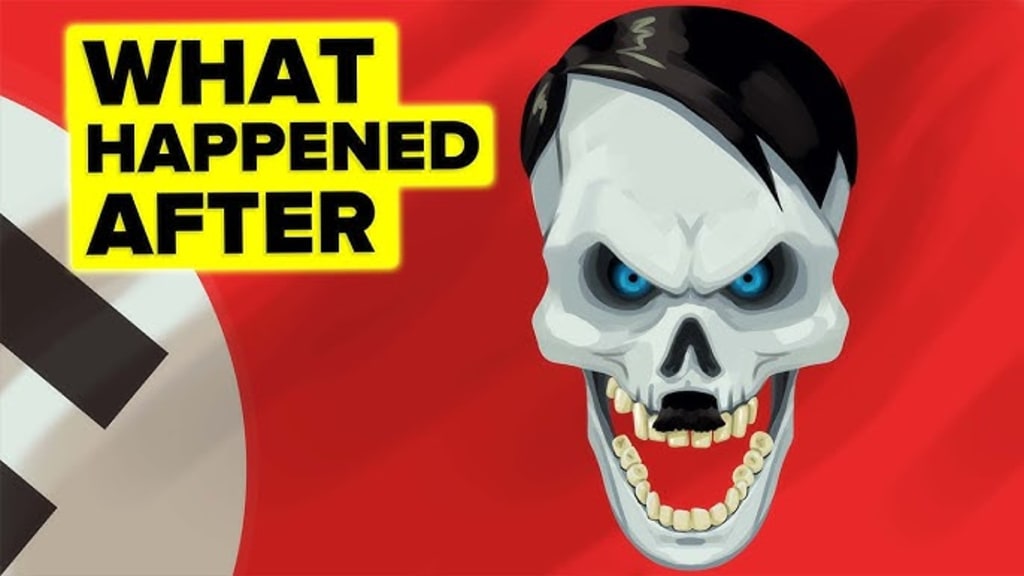
In late April 1945, Adolf Hitler was on the brink of a nervous breakdown, fully aware that the end was near. He summoned his secretary, Gertrud "Traudl" Junge, to draft his last will and testament. Tearfully, she transcribed his delusional words, which shifted blame for the war's horrors away from himself. In the room were four other witnesses, all of whom, along with Hitler, would die within 24 hours. Hitler had known for some time that the war was lost, but he clung to hope for peace negotiations until early 1945 when the Soviet Red Army approached Berlin with an unstoppable force.
The Soviet leader, Joseph Stalin, was closing in on victory, causing mass casualties among German soldiers and civilians. Hitler's steadfast refusal to accept defeat was emblematic of Nazi stubbornness. By February, the situation in Berlin had become increasingly grim, and the populace lived in fear and despair as Soviet forces encroached.
As the Soviets advanced, the Nazis continued to perpetrate atrocities, executing prisoners, concentration camp inmates, and perceived non-supporters. Hitler's orders were to persist, but Berlin's fate was sealed. Even the Hitler Youth were thrown into the desperate fight. The war had devolved into madness, with young, untrained soldiers defending the city.
Max Hastings, a historian, explained that the Germans fought relentlessly because they knew the Soviets would offer no mercy. Having endured so much brutality themselves, the Soviet soldiers were in no mood to spare the enemy, which they saw as all of Germany. The Germans' atrocities against civilians cannot be overlooked, and the entire nation suffered from the consequences of the war.
Amid this chaos, Hitler was holed up in his bunker under the Reich Chancellery, slowly coming to terms with his impending defeat. He had hoped for a peace treaty under the new U.S. President, Harry Truman, but his dreams were shattered. On April 28, Hitler and his mistress, Eva Braun, were married in the bunker, a somber affair due to the imminent arrival of the Red Army. Shortly after, Hitler and Braun died by suicide.
In the final days, Hitler was plagued by various health issues, having become a man on the verge of natural death. His inner circle, including Hermann Goering, attempted to escape Berlin, and Martin Bormann, Joseph Goebbels, and others who remained in the bunker would meet their ends there.
As Berliners suffered unimaginable hardships, Goebbels made a final plea for the city's residents to continue fighting despite inevitable defeat. Hitler learned of Heinrich Himmler's betrayal and raged at the news, marking it as treason. Hitler's world was crumbling, and he still held out hope, but the reality of his impending demise was inescapable.
Knowing the Soviets would show him no mercy, Hitler was adamant that his body should not fall into their hands. He dictated his last will and testament, expressing his desire to be cremated, distributing his possessions, and shifting blame for the war away from himself.
As the end drew near, Hitler shared a few final moments with his loyal followers. His beloved dog, Blondi, and Eva Braun's spaniel were poisoned by the doctors on his orders. In the end, as Soviet artillery drew closer, Hitler and Braun were cremated in the garden of the Reich Chancellery.
The fighting didn't cease immediately, and the world remained witness to more cruelty and suffering. British Lieutenant David Fraser commented on the ongoing violence, emphasizing that there was still much cruelty in the world. The events of these dark days serve as a grim reminder of the horrors of war and the need to prevent such atrocities from happening again.
About the Creator
mara alsha
I'm not just a storyteller; I'm a curator of experiences. With each piece, I aim to spark your curiosity, ignite your passions, and leave you with a fresh perspective.
Keep reading
More stories from mara alsha and writers in Chapters and other communities.
Poison - Nazi Camp Experiments
Emaciated and disheveled Soviet men sit down to their evening meal of potato and turnip soup within the infamous Buchenwald concentration camp. These prisoners are marked for execution due to severe starvation, earning the grim title of "Muselmänner," symbolizing their weakened and apathetic state.
By mara alsha2 years ago in Chapters
How Can Lives Have Fantastic Hobbies
As we live the lives that we want to live with the hobbies that we want in them, what happens? Are all lives fantastic because of one certain thing or multiple different things? When we look at the lives that we live and the hobbies we do in them, do we find that our lives are fantastic? What is it that makes lives fantastic, is it the hobbies that we do in them to make them what they are? Yes I just made you think, but that is the point of this post. I would say that living life with the hobbies that we have in them can make the hobbies great and our lives fantastic when the two of them are used together. The more we live our lives with the hobbies we enjoy in the more the hobbies are great and we are living the lives that we want which make them fantastic.
By Louise Barraco8 days ago in Chapters


Comments
There are no comments for this story
Be the first to respond and start the conversation.