
Infection
Introduction, symptoms and preventative measures
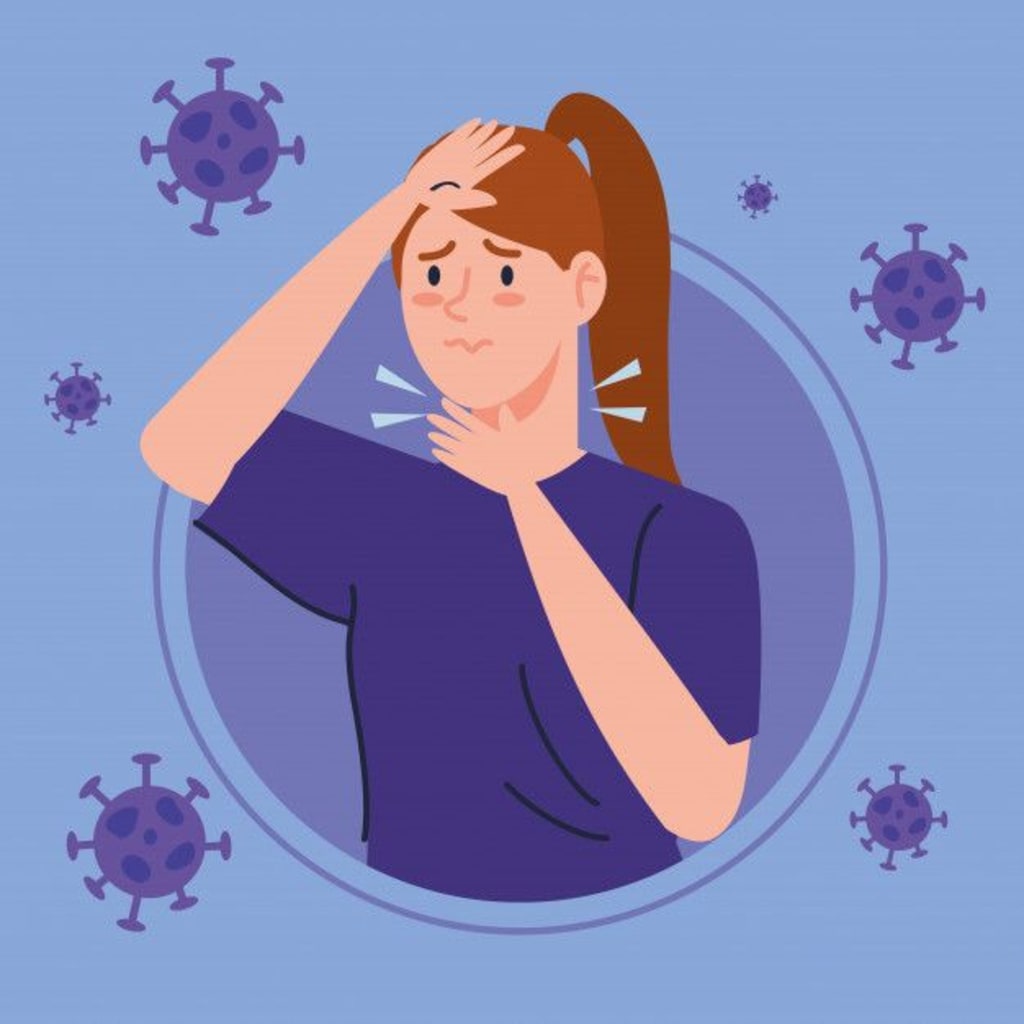
Infection occurs when a micro organism enters an individual's body and cause harm. The harmful micro organisms are known as pathogens.
Pathogens includes
1. Bacteria
2. Fungi
3. Virus
Bacterial infection
This is caused by bacteria and it consists of 3 shapes
1. Spherical: They are known as cocci
2. Rod shaped: They are known as bacilli
3. spiral shaped: their bacteria is known as spirilla
Bacteria can live in any environment under any condition
Viral infection
This occurs due to virus. Virus contains a piece of genetic code and a coat of protein and lipid molecules protect them. They invade a host and attach themselves to a cell. As they enter the cell they release their genetic material.
These genetic material forces the cells to replicate the viruses and the viruses multiply.
Fungal infection:
A fungus is often a multi cellular parasite that decompose and absorb organic matters using an enzyme.
Symptoms of infection
1. Flu virus causes runny nose, muscle aches and an upset stomach
2. Bacteria infection often causes redness, heat, swelling, fever and pain at the site of the infection.
3. A rash can indicate fungal infection
Prevention of infection
1. Wash your hands often especially before and after preparing meals and after using the bathroom
2. Avoid sharing personal items
3. Reduce the risk of sexual transmitted infections
4. Receive any recommended vaccinations and keep them up to dat
5. Follow an active lifestyle and eat nutritional balanced diet
About the Creator
Keep reading
More stories from writers in Chapters and other communities.
How Transparency and Honesty Drive Sustainable Financial Success
Financial success depends on more than profitability or growth metrics. It is deeply influenced by the principles guiding an organization’s decisions, communication, and long-term strategy. Transparency and honesty are not simply ethical ideals; they are strategic drivers of sustainable performance that strengthen stakeholder trust, reduce risk, and improve organizational resilience.
By Michael Christopher Venturino6 days ago in Chapters


Comments
There are no comments for this story
Be the first to respond and start the conversation.