
India vs. Pakistan: Who Should be Blamed?
Time to Resolve India-Pakistani War
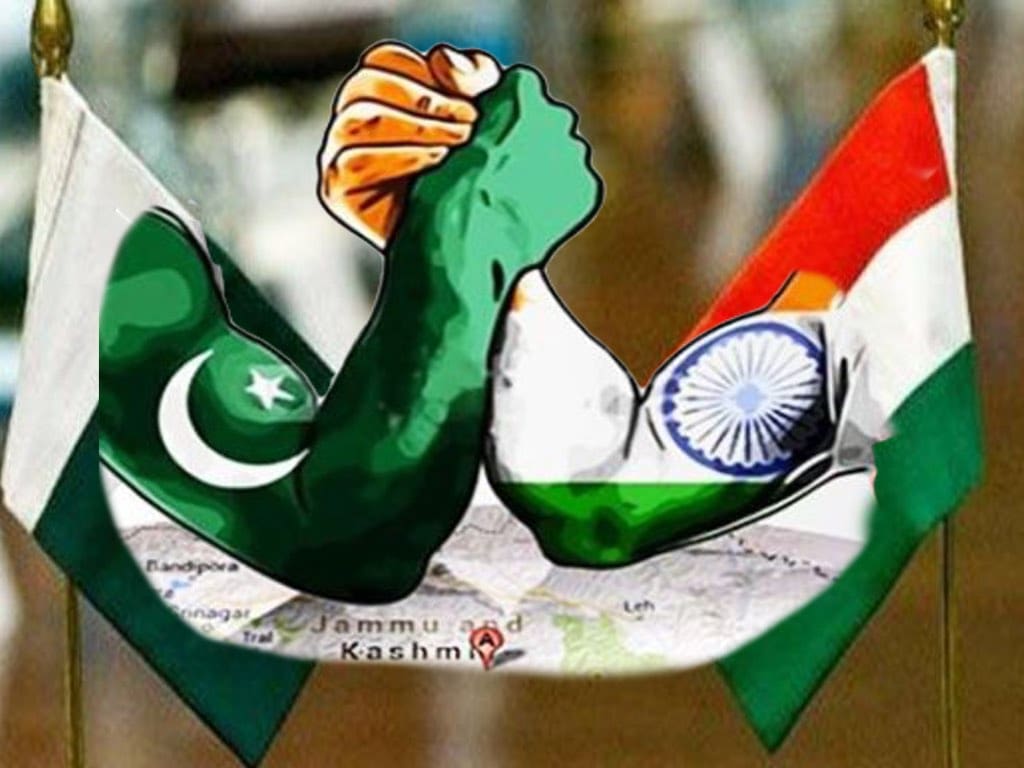
India vs. Pakistan: Who Should be Blamed?
The ongoing conflict between India and Pakistan has been one of the most enduring and complex geopolitical standoffs in modern history. With both nations possessing nuclear weapons and a shared history of territorial disputes, religious tensions, and political mistrust, finding a pathway to lasting peace remains a significant challenge. However, despite the deep-seated animosities, there are practical and strategic approaches that could potentially bring an end to this conflict.
Historical Context of the Conflict
India and Pakistan have been at odds since their partition in 1947, which resulted in the creation of two separate sovereign states. This division was accompanied by one of the largest and bloodiest mass migrations in history, with millions displaced and hundreds of thousands killed in communal violence. The primary point of contention has been the region of Kashmir, a picturesque but volatile territory claimed in full by both nations but administered in parts by each. The two countries have fought four major wars over this territory, in 1947, 1965, 1971, and 1999, with countless skirmishes and border clashes since.
Key Obstacles to Peace
Several critical issues make peace between India and Pakistan particularly challenging:
1. Kashmir Dispute: The most intractable issue remains the territorial status of Kashmir. The revocation of Article 370 by India in 2019, which stripped the region of its special status, has further complicated the situation, leading to heightened military tensions and a near-constant threat of escalation.
2. Nuclear Deterrence: Both nations possess nuclear arsenals, making full-scale war a catastrophic prospect. However, this nuclear capability also acts as a dangerous backdrop for miscalculations and unintended escalation.
3. Cross-Border Terrorism: India has repeatedly accused Pakistan of supporting militant groups that operate in Kashmir and other parts of India. Pakistan denies these allegations but acknowledges providing moral and political support to what it considers a legitimate Kashmiri freedom struggle.
4. Domestic Politics: Political leaders in both countries often find it politically risky to engage in peace talks, fearing backlash from nationalist constituencies and hardline military factions.
Steps Toward Lasting Peace
Despite these significant hurdles, there are several potential pathways to a lasting peace:
1. Diplomatic Engagement and Dialogue
- Regular, high-level diplomatic talks should be resumed to reduce misunderstandings and build trust. This could include reviving the Composite Dialogue Process, which covers a broad range of issues from Kashmir to trade and terrorism.
- Third-party mediation, potentially involving countries like the United States, China, or even regional organizations like the Shanghai Cooperation Organization (SCO), could provide neutral platforms for negotiation.
2. Confidence-Building Measures (CBMs)
- Military CBMs, such as hotlines between military commanders, agreements on no-first-use policies for nuclear weapons, and joint counter-terrorism operations, could reduce the likelihood of accidental conflicts.
- Cultural and economic exchanges, including liberalized visa regimes and expanded trade, could help humanize the conflict and foster mutual economic dependence.
3. Economic Cooperation
- Enhanced trade relations and economic interdependence could create mutual stakes in peace. South Asia remains one of the least economically integrated regions in the world, despite immense potential for collaboration.
- Joint infrastructure projects and energy cooperation could provide tangible benefits to both populations, potentially reducing hostilities.
4. People-to-People Connections
- Promoting cultural exchanges, student programs, and cross-border tourism could help break down stereotypes and humanize the ‘enemy’ for future generations.
- The use of social media and digital platforms to foster dialogue among youth from both countries could help shift public opinion over time.
5. Resolving the Kashmir Issue
- A phased approach to resolving the Kashmir dispute, potentially involving autonomy arrangements, self-governance, and international oversight, might offer a path forward.
- Both sides could explore joint governance models or special economic zones to reduce the territorial stakes without compromising sovereignty.
Conclusion: A Long Road Ahead
Ending the India-Pakistan conflict will not be easy, but it is not impossible. It will require visionary leadership, sustained diplomatic effort, and the courage to overcome deeply ingrained prejudices and historical wounds. Both nations must recognize that peace is not just a moral imperative but a strategic necessity in an increasingly interconnected and economically interdependent world.
In the end, the path to peace will depend on the willingness of both governments to compromise and the ability of their leaders to rise above short-term political calculations for the greater good. Only then can the subcontinent hope to move beyond its tragic history of conflict toward a more stable and prosperous future.
About the Creator
Emma Ade
Emma is an accomplished freelance writer with strong passion for investigative storytelling and keen eye for details. Emma has crafted compelling narratives in diverse genres, and continue to explore new ideas to push boundaries.
Has World War III Started?
Has World War III Started? The question “Has World War III started?” is no longer limited to academic debate or fictional movies. It is now openly discussed in newsrooms, policy circles, and online platforms around the world. While the simple answer remains no, the conditions shaping today’s global environment are deeply alarming. The world is experiencing an unprecedented convergence of regional wars, technological disruption, and power competition that closely resembles the early stages of past global conflicts.
By Wings of Time a day ago in Chapters


Comments
There are no comments for this story
Be the first to respond and start the conversation.