
How to Spot the Real Dates from the Fake Ones During Ramadan 2024
Tips to Identify REAL Dates from the Fake Ones

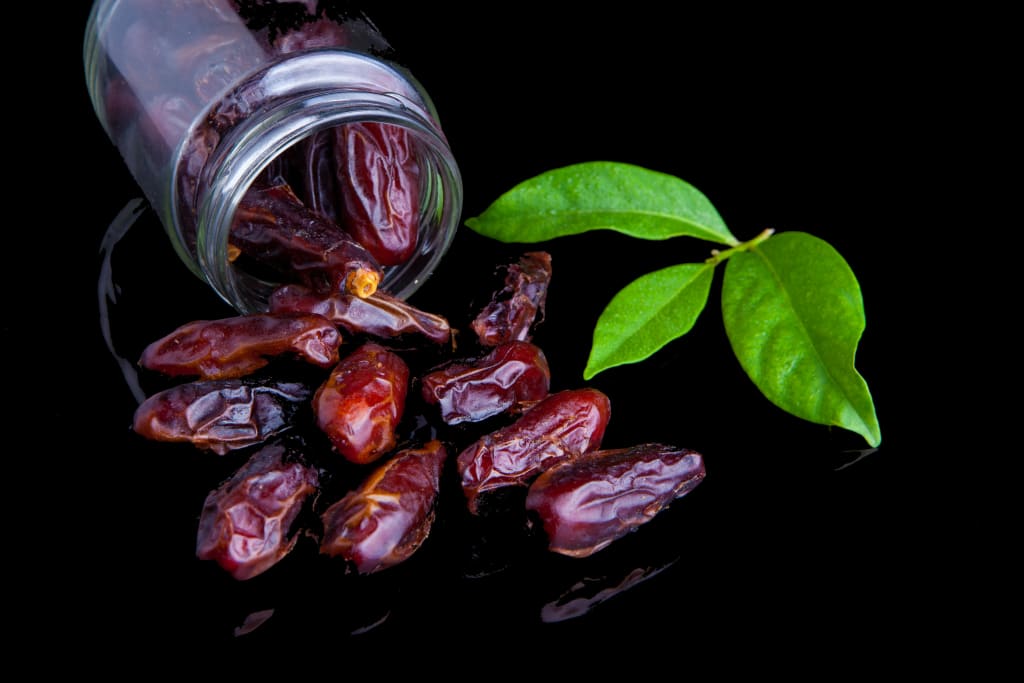
As we welcome the holy month of Ramadan in 2024, the significance of dates (the fruit) becomes more pronounced. Breaking the fast with dates is a tradition rooted in health, nutrition, and spiritual significance. However, with the rising demand for this nutritious fruit, the market has seen an influx of counterfeit or low-quality dates. It’s crucial for consumers to distinguish between genuine and fake dates to ensure they're consuming the best quality. Here are comprehensive tips and insights to help you identify real dates from the fake ones, ensuring your Iftar is both sacred and safe.
Understanding Dates
Dates come from the date palm tree and are known for their sweet taste and high nutritional value. They are rich in fibers, vitamins, and minerals such as potassium, magnesium, and iron, making them an ideal choice to break your fast. Before delving into how to identify real dates from fake ones, let’s first understand the common varieties of dates:
Medjool: Known as the king of dates, they are large, dark, and very sweet.
Deglet Noor: These are a bit drier, less sweet than Medjool, and have a golden color.
Ajwa: Highly prized in Islamic tradition, they are small, dark, and have a distinct flavor.
Barhi: Round and soft with a rich, syrupy flavor when fully ripe.
Tips to Identify Real Dates
1. Texture and Appearance
Real Dates: They typically have a smooth, glossy surface with a sticky texture. Depending on the variety, they can be soft or slightly dry but should not feel overly hard or crystallized unless they are a drier variety like Deglet Noor.
Fake Dates: Counterfeit dates might look excessively shiny or coated, which can sometimes be a sign of added sugars or artificial sweeteners to enhance sweetness and appearance.
2. Taste
Real Dates: A genuine date will have a naturally sweet taste, with nuances that vary by type. Some may have caramel-like undertones, while others might taste more like honey or molasses.
Fake Dates: If the date has an overly sugary or artificial taste, or if it leaves a chemical-like aftertaste, it might be fake or of poor quality.
3. Smell
Real Dates: They should have a sweet, slightly fruity scent that is not overpowering. Each variety has its unique aroma, but none should smell sour or fermented unless they are spoiled.
Fake Dates: An artificial or chemical smell is a red flag. Some counterfeit products may also have no smell at all, indicating they've been processed.
4. Packaging and Labeling
Real Dates: Look for transparency in labeling. Genuine suppliers will provide information about the variety of dates, their origin, and often, their harvesting and packing dates.
Fake Dates: Be cautious of vague labels or those that lack specific information about origin and variety. Misleading packaging can sometimes indicate a subpar product.
5. Price
Real Dates: While prices can vary widely depending on the type and origin, be wary of deals that seem too good to be true. Premium varieties like Medjool and Ajwa are typically more expensive.
Fake Dates: Extremely low prices can indicate that the dates are either of low quality or counterfeit, especially if they claim to be a typically expensive variety.
Additional Considerations
Certifications: Look for dates that are certified organic or have other quality certifications. This ensures they have been subjected to rigorous standards.
Buy from Reputable Sources: Purchase dates from well-known, reputable retailers or directly from farms if possible. This decreases the chances of buying fake products.
Seasonality and Origin: Knowing when and where different types of dates are harvested can help you make informed purchases. For instance, Medjool dates are harvested in the fall, so a fresh batch hitting markets in late autumn is expected.
The Final Word
As we observe Ramadan in 2024, ensuring the purity and quality of the dates we consume is more than just a matter of health—it's about respecting and upholding the traditions of this holy month. By being vigilant and informed about the dates we choose, we not only enrich our Iftar but also support ethical and sustainable practices in date farming and selling.
Remember, the essence of Ramadan lies in its spirituality and the values it teaches us. In the spirit of this sacred time, let's make conscious choices that reflect our respect for tradition, health, and the well-being of communities around the globe.
About the Creator
Keep reading
More stories from Mohammad Shakhawat Hossain and writers in Chapters and other communities.
On Monday, SpaceX launches the Starlink mission and gets ready to undock a Crew Dragon from the ISS.
SpaceX is getting ready for Crew Dragon Endurance's undocking from the International Space Station and will conclude the weekend with two scheduled Falcon 9 launches from Florida and California.
By Mohammad Shakhawat Hossain2 years ago in Chapters




Comments
There are no comments for this story
Be the first to respond and start the conversation.