
How to Lower Cholesterol: A Comprehensive Guide
Health


Cholesterol is a waxy substance found in your blood that is essential for building healthy cells. However, having high cholesterol can increase your risk of heart disease and other cardiovascular issues. It’s crucial to maintain a balanced level of cholesterol in your body for optimal health. This article will explore various methods to lower cholesterol levels through dietary changes, lifestyle modifications, medication, and natural remedies.
Understanding Cholesterol
Cholesterol is carried through your bloodstream by two types of lipoproteins:
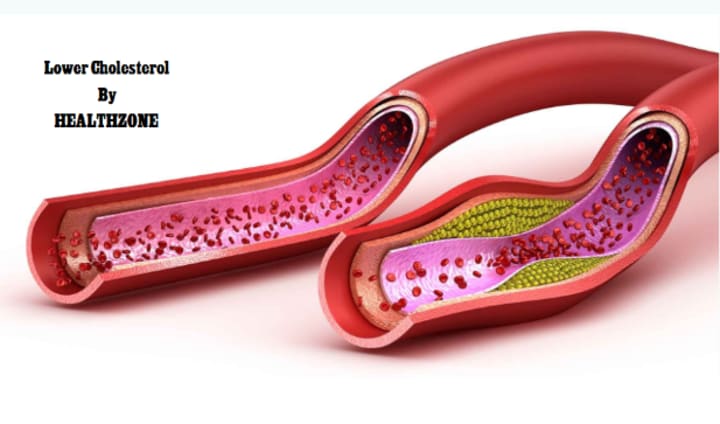
1. Low-Density Lipoprotein (LDL): Often referred to as "bad" cholesterol, high levels of LDL can lead to the build-up of fatty deposits in your arteries, increasing the risk of heart disease.
2. High-Density Lipoprotein (HDL): Known as "good" cholesterol, HDL helps to remove other forms of cholesterol from your bloodstream. Higher levels of HDL are generally associated with a lower risk of heart-related issues.
Measuring Cholesterol Levels
Cholesterol levels are usually measured in milligrams per deciliter (mg/dL) through a blood test. Here are the general classifications:
Total cholesterol: Less than 200 mg/dL is considered healthy; 200-239 mg/dL is borderline high; 240 mg/dL and above is high.
LDL cholesterol: Less than 100 mg/dL is optimal; 100-129 mg/dL is near optimal; 130-159 mg/dL is borderline high; 160-189 mg/dL is high; 190 mg/dL and above is very high.
HDL cholesterol: Less than 40 mg/dL is considered low (a risk factor for heart disease); 60 mg/dL and above is considered protective against heart disease.
Dietary Changes to Lower Cholesterol
1. Increase Soluble Fiber Intake
Soluble fibre helps reduce the absorption of cholesterol into your bloodstream. Foods rich in soluble fibre include:
Oats and barley
Beans and lentils
Fruits like apples, oranges, and berries
Vegetables such as carrots and Brussels sprouts
Psyllium and flaxseeds
Adding these foods to your diet can help lower your LDL cholesterol levels.
2. Choose Healthier Fats
Monounsaturated Fats: These can help lower LDL cholesterol. Foods high in monounsaturated fats include olive oil, avocados, and certain nuts.
Polyunsaturated Fats: Omega-3 fatty acids found in fish like salmon, mackerel, and sardines can also benefit heart health and reduce LDL levels.
Limit Saturated and Trans Fats: Reduce foods high in saturated fats (like red meat and full-fat dairy) and avoid trans fats completely (found in many fried and processed foods).
Replacing unhealthy fats with healthier options can contribute significantly to lower cholesterol levels.
3. Increase Plant Sterols and Stanols
Plant sterols and stanols are substances found in plants that can help block the absorption of cholesterol. Foods that are enriched with sterols and stanols include:
Fortified margarines and spreads
Fortified orange juice
Certain yoghurt drinks
Incorporating these into your diet can help reduce LDL cholesterol levels.
4. Eat More Fruits and Vegetables
Fruits and vegetables are high in antioxidants, vitamins, and minerals, and low in calories and fats. Aim for a variety of colours and types to get a broad range of nutrients. Vegetables like spinach, kale, broccoli, and fruits like berries, oranges, and apples are excellent choices for maintaining heart health.
5. Opt for Whole Grains
Whole grains, such as whole wheat, brown rice, quinoa, and oats, are high in fibre and beneficial compounds that can help lower cholesterol levels.

Lifestyle Modifications
1. Regular Physical Activity
Engaging in regular exercise can help raise HDL cholesterol while lowering LDL cholesterol levels. Aim for at least 150 minutes of moderate aerobic activity or 75 minutes of vigorous activity each week. Activities can include:
Walking briskly
Cycling
Swimming
Dancing
Jogging
Even 30 minutes of moderate exercise most days can make a significant difference.
2. Maintain a Healthy Weight
Being overweight can raise LDL cholesterol levels. Losing even a small amount of weight can help lower cholesterol levels. Aim for a balanced diet and exercise regimen to achieve and maintain a healthy weight.
3. Quit Smoking
If you smoke, quitting can improve your HDL cholesterol levels. Ex-smokers also benefit from a lowered risk of heart disease. Seek support through programs and resources to help you quit effectively.
4. Limit Alcohol Intake
Consuming alcohol can increase HDL cholesterol but should be done in moderation. For those who drink, moderation means up to one drink per day for women and two for men. Excessive drinking can lead to health issues, including higher cholesterol levels and increased blood pressure.
Medications for Lowering Cholesterol
When lifestyle changes are not enough, medications may be prescribed to help lower cholesterol levels. Here are some common types of cholesterol-lowering medications:
1. Statins
These are the most widely prescribed cholesterol-lowering medications. Statins work by blocking a substance your body needs to make cholesterol, which ultimately lowers LDL cholesterol and reduces the risk of heart disease.
2. Bile Acid Sequestrants
These medications help remove cholesterol from your bloodstream by binding with bile acids, which contain cholesterol. This causes your body to use excess cholesterol to replace the bile acids.
3. Cholesterol Absorption Inhibitors
Ezetimibe is a common drug that reduces the absorption of cholesterol from the food you eat, effectively lowering LDL cholesterol levels.
4. PCSK9 Inhibitors
These newer medications can significantly lower LDL cholesterol levels by helping the liver absorb more LDL cholesterol from the blood.
Always consult with a healthcare provider about the best options for cholesterol management and to understand the potential side effects of medications.
Natural Remedies and Supplements
Some natural remedies and supplements can also help lower cholesterol levels, though they should be discussed with a healthcare provider:
1. Omega-3 Fatty Acids
Taking omega-3 supplements or consuming fatty fish can help lower triglycerides, another type of fat in the blood.
2. Psyllium Husk
This soluble fibre supplement can help lower LDL cholesterol when added to a diet.
3. Red Yeast Rice
Red yeast rice contains natural statins and can help lower cholesterol; however, it may also have side effects similar to prescribed statins.
4. Niacin
Niacin (vitamin B3) can help raise HDL cholesterol levels while lowering LDL cholesterol; however, it should be taken under medical supervision due to potential side effects.
5. Garlic
Some studies suggest that garlic may have a small effect on lowering cholesterol levels.
Conclusion
Lowering cholesterol is an essential aspect of reducing the risk of heart disease and maintaining overall health. Through a combination of dietary changes, lifestyle adjustments, potential medications, and natural remedies, individuals can effectively manage their cholesterol levels.
Consulting with healthcare professionals for tailored guidance is crucial, especially when medications are involved or if pre-existing health conditions are present. By making these changes, individuals can lead healthier lives and reduce their risk of cardiovascular problems. Remember, it’s never too late to start taking steps to improve your heart health!
About the Creator
Usman Zafar
I am Blogger and Writer.
Keep reading
More stories from Usman Zafar and writers in Chapters and other communities.
Sinister Secrets
The town of Blackwood was always a quiet, uneventful place. Nestled deep in a valley, surrounded by thick, ancient woods, it was the kind of town where everyone knew each other. But beneath its peaceful exterior, there was an eerie feeling that clung to the air, a strange unease that no one could explain. The whispers of old legends, dark woods, and abandoned places swirling among townsfolk like living legends. But no one spoke them aloud.
By Usman Zafarabout a year ago in Chapters
Valentine's Dates Over the Years
Colin grinned as Brooklyn slipped into the living room. “Is it all set?” he asked. The twenty-one year old grinned. She was in her last year of college and Colin knew that Lincoln was proud of her. Although she had been away at college, she’d eagerly helped Colin plan his surprise for Lincoln. “I’m so glad you’re finally doing this,” she said.
By Reb Kreyling17 days ago in Chapters
It's 2026. Songs Turning 10 This Year
In 2016, we saw the rise of short form videos and what would lead to the birth of TikTok. We cannot forget the Snapchat filters no matter how cringe worthy some of them might have been. It was also the year in which the hit series Stranger Things debuted.
By Jasmine Aguilar7 days ago in Beat



Comments
There are no comments for this story
Be the first to respond and start the conversation.