
How Modern Technology Improves Data Security and User Privacy
Encouraging Safer Digital Behavior Through Technology
Introduction
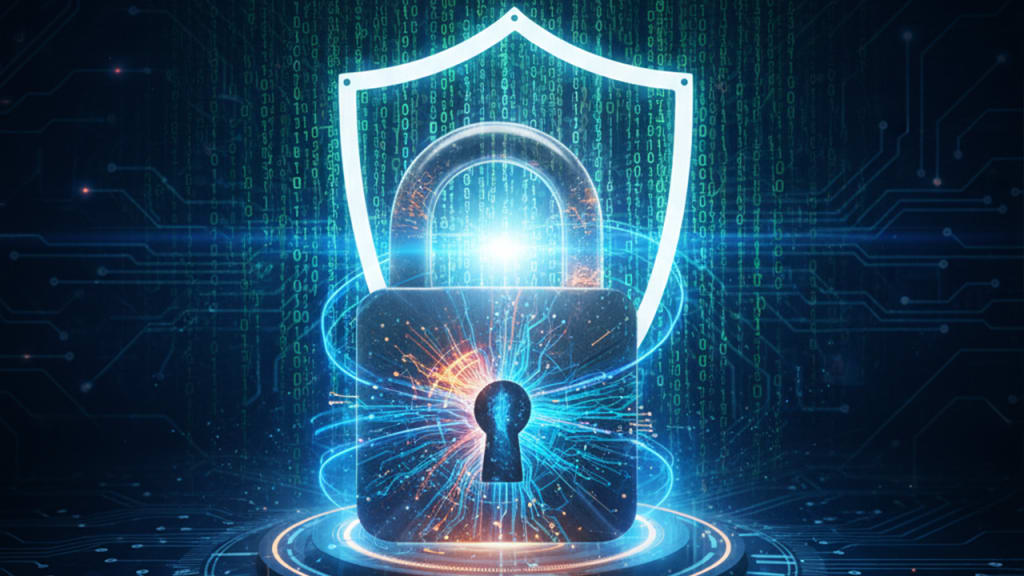
Technology has become deeply woven into everyday life. From online banking to remote work and social media, people rely on digital systems to store and share personal information. While this convenience has transformed communication and productivity, it has also increased concerns about data security and privacy. Cyber threats continue to evolve, making it essential for technology to do more than just function—it must also protect. Modern technological advancements now play a crucial role in safeguarding data, helping individuals and organizations maintain trust in digital environments.
Understanding Data Security and Privacy
Although often used together, data security and data privacy are not the same. Understanding the difference helps explain how technology supports both.
- Data security focuses on protecting information from unauthorized access, misuse, or loss.
- Data privacy deals with how personal information is collected, used, and shared.
Key distinctions include:
- Data security emphasizes protection mechanisms
- Data privacy emphasizes user rights and consent
- Both work together to prevent misuse and exposure
Technology bridges these two areas by enforcing protective measures while also giving users greater control over their information.
The Rise of Digital Threats
As digital activity increases, so does exposure to risk. Cyber threats are no longer limited to large organizations; individuals are equally vulnerable.
Common threats include:
- Unauthorized access to personal accounts
- Phishing and social engineering attempts
- Data leaks caused by weak protection systems
These threats can result in financial loss, identity misuse, and long-term trust issues. Technology responds by evolving faster than these risks, constantly adapting to new attack methods.
Encryption as a Foundation of Data Protection
Encryption is one of the most important technologies used to protect sensitive information. It transforms readable data into coded formats that can only be accessed by authorized parties.
Encryption helps by:
- Securing data during transmission
- Protecting stored information from exposure
- Preventing unauthorized interception
Whether data is being sent or stored, encryption ensures that even if access is attempted, the information remains unreadable. This makes it a cornerstone of modern data protection strategies.
Secure Authentication Methods
Passwords alone are no longer sufficient for protecting sensitive systems. Technology now supports more secure authentication methods that reduce the risk of unauthorized access.
Modern authentication approaches include:
- Multi-step verification processes
- Biometric identification methods
- Time-based access confirmations
These systems add additional layers of protection, making it significantly harder for unauthorized users to gain access—even if login credentials are compromised.
Cloud Technology and Secure Data Storage
Cloud-based systems have changed how data is stored and managed. Rather than relying solely on local storage, data is now distributed across secure digital environments.
Benefits of modern cloud security include:
- Controlled access permissions
- Continuous system monitoring
- Automated backups and recovery options
Technology ensures that data stored in these environments is protected through layered security protocols, reducing the risk of loss or unauthorized access.
Artificial Intelligence in Threat Detection
Artificial intelligence has become a powerful tool in identifying and preventing security risks. Unlike traditional systems, intelligent technologies can analyze patterns and detect anomalies in real time.
AI-driven security systems can:
- Monitor activity continuously
- Identify unusual behavior early
- Respond to threats faster than manual systems
By reducing reliance on human intervention, these systems lower the risk of oversight and enable faster response to emerging threats.
Privacy by Design in Modern Technology
Privacy is no longer an afterthought. Many digital systems are now built with privacy considerations from the start, a concept known as privacy by design.
This approach focuses on:
- Collecting only necessary information
- Limiting data retention
- Offering clear user controls
Technology that follows privacy-first principles helps users understand how their data is used and gives them the ability to manage permissions more effectively.
Regulatory Compliance and Technology
Governments and regulatory bodies around the world have introduced data protection laws to safeguard user information. Technology plays a critical role in helping organizations comply with these regulations.
Digital systems assist compliance by:
- Automating data management processes
- Tracking access and usage records
- Improving transparency and accountability
By embedding compliance into system design, technology reduces the risk of violations and helps maintain ethical data practices.
User Awareness and Technology Tools
Even the most advanced systems depend on informed users. Technology supports awareness by guiding users toward safer behaviors without overwhelming them.
Helpful features include:
- Clear privacy settings
- Access alerts and notifications
- Permission-based controls
These tools encourage responsible use while empowering individuals to make informed decisions about their digital presence.
Challenges Technology Still Faces
Despite advancements, no system is entirely risk-free. Technology must constantly adapt to keep pace with evolving threats.
Ongoing challenges include:
- Balancing convenience with protection
- Addressing human error
- Keeping systems updated against new risks
Recognizing these limitations is essential for continuous improvement and realistic expectations.
The Future of Data Security and Privacy
The future of data protection lies in adaptability and innovation. As digital environments expand, security technologies will continue to evolve alongside them.
Emerging trends point toward:
- More intelligent threat detection
- Stronger user-focused privacy controls
- Integrated security across platforms
Technology will remain a key driver in shaping safer digital experiences for individuals and organizations alike.
Conclusion
Technology plays a vital role in enhancing data security and privacy in an increasingly digital world. Through encryption, intelligent monitoring, secure authentication, and privacy-focused design, digital systems provide stronger protection than ever before. However, technology alone is not enough. True data protection depends on a shared responsibility between systems and users. By continuing to innovate responsibly, technology helps build trust, safety, and confidence in the digital future.
About the Creator
Keep reading
More stories from Nimra kanwal and writers in Chapters and other communities.
The Rise of Modern Tech: A Journey from Phones to Smart Homes
Introduction Technology has transformed the way we live, work, and interact. What started as simple communication tools has grown into an interconnected ecosystem that touches almost every aspect of daily life. From the smartphones in our pockets to the smart devices in our homes, innovation has reshaped routines, habits, and expectations. Understanding this evolution helps us see not only how far technology has come but also where it might take us in the future.
By Nimra kanwalabout a month ago in Chapters
Bruce Lee and The God of War: Kuan Ti
It starts with love.. The Power to the God Of War and Wealth Walk into a Chinese restaurant (even in Oklahoma, USA), a Chinese police station, a kung fu martial arts studio or even a Chinese temple and you often see a red faced warrior holding a heavy quan-do (spear like weapon).
By WILD WAYNE : The Dragon King7 days ago in Chapters


Comments
There are no comments for this story
Be the first to respond and start the conversation.