
How Russia’s imagination of its history shapes its present
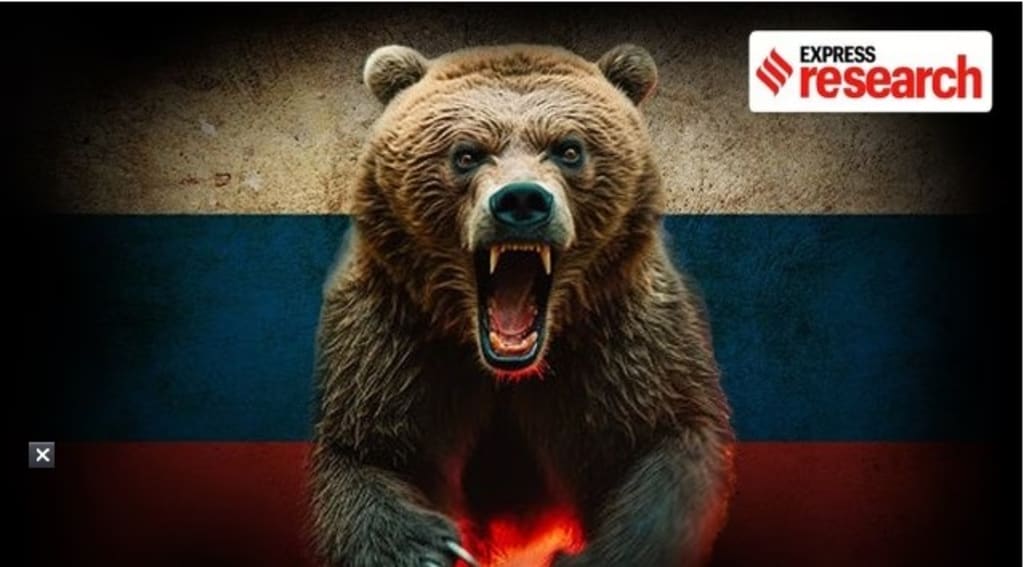
The symbol for the immense county of Russia, and, one that its President is often seen embracing, is the mighty brown bear. Like its animal counterpart, Russia has spent periods in international hibernation but even when it is seemingly out of view, its ferocity lingers, a reminder to all that if provoked, the bear will fight back.
Russian bear
The conceptualization of Ukraine as Little Russia has played into long standing Kremlin propaganda alleging that Ukraine is a part of the Russian state.
A Russia weakened by the Cold War is a Russia that longs for the glory of its past. Particularly prominent in that conceptualization of the past is the 19th century theory of the Ruskin Mir or Russian World, predicated on the belief that there is a tripartite Russian identity of Greater Russia (Russia), Little Russia (Ukraine), and White Russia (Belarus.)
As Brooking fellow Fiona Hill writes in an article for Foreign Affairs Magazine, Russian President Vladimir Putin ordered invasion of Ukraine because “he believes that it is Russia’s divine right to rule Ukraine, to wipe out the country’s national identity, and to integrate its people into a Greater Russia.”
The history
As a concept, the idea of Russia dates back to the ninth century when a federation of Slavic tribes known as the Kevin Rus’ was established in what is now modern-day Ukraine. Facing constant barrages from Mongol forces, the fledgling Russia state relocated in the 13th century to Moscow.


Comments
There are no comments for this story
Be the first to respond and start the conversation.