
Good Friday: The Day Death Spoke of Life
The Trial of Pilate, the Tragedy of Jesus, and the Echo of History Repeating Itself

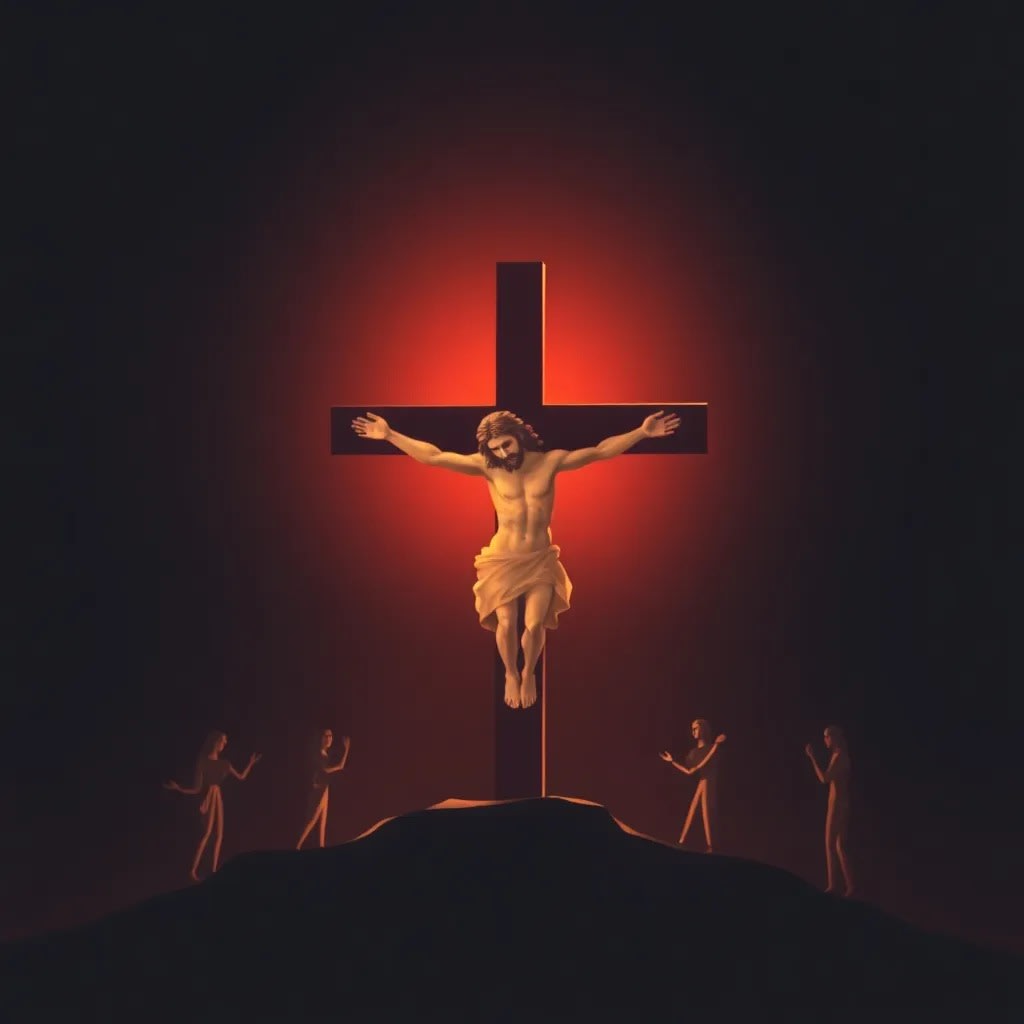
Christians all over the world observe Good Friday, a day commemorating Jesus Christ's crucifixion and death, every year on the Friday before Easter. At first glance, the name itself feels contradictory. How is it possible to call a day of brutal executions "good"? But there is a deeper truth hidden within this paradox: it was more than just one man's death; it was also the birth of a new path, a new faith, and a radical redefinition of love, sacrifice, and justice.
Why 'Good' Friday?
A day filled with betrayal, injustice, pain, and death. Jesus crowned with thorns, beaten, humiliated carried His cross through the streets of Jerusalem to a hill called Golgotha. He died after suffering for hours. And still, we call it Good Friday.
Because in Christian belief, this death wasn't defeat it was the ultimate act of redemption. Faith sees that His sacrifice was the beginning of hope, forgiveness, and eternal life, not the end. That is what makes it "good."
Jesus: Revolutionary or Messenger?
In the early first century, a young man named Yeshua (Jesus) stirred unrest not with weapons, but with words. He rethought faith, questioned authority, and challenged tradition. He talked about a new kind of temple made of spirit and not stone. This was perilous conversation for the political and religious elites. Tax collectors, fishermen, and marginalized individuals like Matthew, who left everything behind to walk alongside Him, became his followers. His radical vision called for a kingdom devoid of power and a truth devoid of violence. And for that, He had to be silenced.
Pilate's Tragedy: The Cost of Cowardice
Pontius Pilate, the Roman governor, found no fault in Jesus. Yet faced with the wrath of religious leaders and the threat of civil unrest, he caved. One prisoner could be released before Passover, according to custom. The crowd manipulated and maddened chose Barabbas, a known criminal, over Jesus.
Hands were washed by Pilate. However, history would not forget. Even though he had been exiled in Sicily for many years, an elderly Pilate could recall the politics, the pressure, and even a Jewish dancer from Jerusalem, but not the name of the man he had executed. That’s the real tragedy of his story. He remembered everything... except what mattered most.
History Repeats Only the Names Change
Two thousand years later, the scene is eerily familiar. Those who challenge authority are silenced. Bureaucracy frequently binds justice. Leaders, like Pilate, are aware of what is right and choose the safe route. While robes and thrones have been replaced by parliaments and suits, the system has not changed. Barabbas is still celebrated by the crowd. Yet, on Good Friday, we are reminded that truth does not perish even though it is crucified. It rises.
Good Friday is not just a memorial of one man's death; it is a mirror held up to our time. It asks difficult questions: When faced with truth, do we stand firm or wash our hands? Do we speak up or look away when power demands silence? The name "Good Friday" presents a challenge rather than a contradiction. To remember.
to ponder. To choose better.
Because the real tragedy is not in the crucifixion but in forgetting why it happened.
About the Creator
Keep reading
More stories from MD.KAMRUL HOSEN and writers in Chapters and other communities.
Exploring Rabindranath Tagore's Fascination with the Paranormal: A Journey Through Planchette and Beyond
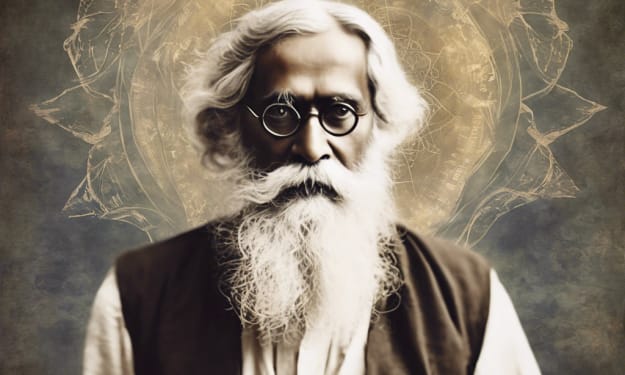
Rabindranath Tagore, the light of Bengali writing, was a writer and thinker as well as a searcher of more profound bits of insight that rose above the material world. Among his less popular pursuits was his interest with the paranormal, especially through his connections with a noteworthy young lady named Uma Devi, who had exceptional mystic capacities.
By MD.KAMRUL HOSEN2 years ago in Humans
Hobbies Can Be Anywhere and Everywhere
As you do the hobbies that you enjoy in life you can do it anywhere and hobbies can be found everywhere. Hobbies that are the most enjoyable can be found anywhere and everywhere because if we look for them and give how we live our lives our all hobbies are wherever we are. The more we put our hobbies and life together we can find our hobbies anywhere because anything that we do everywhere that we are either can become a hobby or was formed from a hobby that we did prior to what we are doing now. Being at your house hobbies are everywhere, because you have ways to relax and with that you do the things that you enjoy. Being outside hobbies can be found being with friends, hobbies can be found, hobbies can be anywhere that you look, just live your life and do the things that you enjoy. The more you live the life that you want to live by doing it anywhere and everywhere that you are, the more you are doing the hobbies that you want to do in your life.
By Louise Barraco8 days ago in Chapters



Comments
There are no comments for this story
Be the first to respond and start the conversation.