
Fukushima Daiichi
The Unfolding of Japan's Nuclear Catastrophe

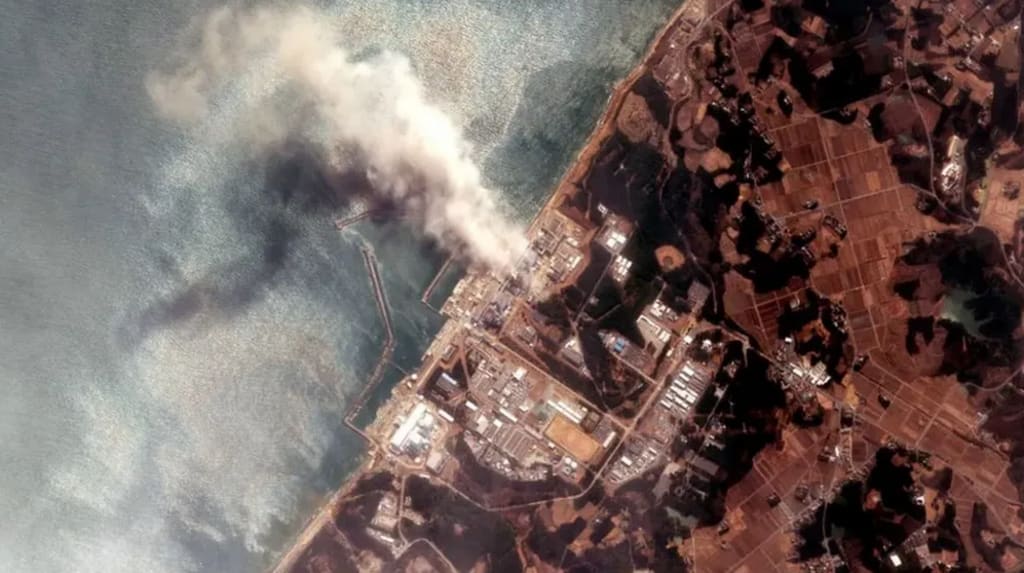
March 11, 2011, is a date that forever changed the landscape of Japan. The Great East Japan Earthquake and subsequent tsunami triggered a series of events that led to the worst nuclear disaster since Chernobyl. The Fukushima Daiichi Nuclear Power Plant became synonymous with tragedy, resilience, and the ongoing struggle to contain its aftermath. This article recounts the unfolding of the Fukushima Daiichi nuclear catastrophe, highlighting the human stories intertwined with this disaster.
The Earthquake and Tsunami
At 2:46 p.m. local time, a magnitude 9.0 earthquake struck off the northeastern coast of Japan. The ground shook violently, sending tremors through cities and towns. It was one of the most powerful earthquakes ever recorded, and it triggered a massive tsunami with waves reaching heights of up to 40 meters (130 feet).
The tsunami surged ashore, sweeping away homes, vehicles, and infrastructure. Coastal areas were devastated, and the human toll was immense, with thousands losing their lives and many more displaced. Amidst this chaos, the Fukushima Daiichi Nuclear Power Plant, operated by the Tokyo Electric Power Company (TEPCO), faced an unprecedented crisis.
The Nuclear Meltdown
The Fukushima Daiichi plant comprised six reactors, and at the time of the earthquake, three were operational. The plant’s reactors automatically shut down in response to the quake, but the tsunami that followed disabled the power supply and cooling systems. Without cooling, the reactors began to overheat.

At Reactor 1, the situation quickly deteriorated. By the evening of March 11, the reactor core had started to melt. Over the next few days, reactors 2 and 3 also experienced partial meltdowns. Hydrogen gas accumulated within the reactor buildings, leading to explosions that severely damaged the structures and released radioactive materials into the environment.
Masao Yoshida, the plant manager, became a key figure in the battle to stabilize the reactors. Despite immense pressure and the threat of radiation exposure, Yoshida and his team of workers, known as the “Fukushima 50,” worked tirelessly to contain the crisis. Their efforts, often described as heroic, were crucial in preventing a more catastrophic release of radiation.
Evacuation and Immediate Impact
The Japanese government ordered the evacuation of residents within a 20-kilometer (12-mile) radius of the plant, affecting around 154,000 people. The evacuation was chaotic, with people forced to leave their homes, belongings, and livelihoods behind. The fear of radiation exposure loomed large, exacerbating the trauma of those already suffering from the earthquake and tsunami.
Radioactive contamination affected air, water, and soil. The release of iodine-131, cesium-134, and cesium-137 posed serious health risks, particularly to children and pregnant women. The government’s response, including distributing iodine tablets to reduce thyroid cancer risk, highlighted the urgency and complexity of the situation.

Long-Term Consequences
The Fukushima disaster had profound and lasting effects:
1. Health Impacts: While the immediate health effects were less severe than those at Chernobyl, the long-term risks of cancer and other illnesses due to radiation exposure remain a concern. Mental health issues, including anxiety, depression, and PTSD, are prevalent among evacuees and residents of affected areas.
2. Environmental Damage: The environment around Fukushima Daiichi remains contaminated. Decontamination efforts have been extensive but are still ongoing. The long-term ecological impact is still being studied, with significant contamination found in both terrestrial and marine ecosystems.
3. Economic Costs: The economic toll of the disaster has been immense. TEPCO faced substantial compensation claims, decommissioning costs, and financial losses. The disaster also prompted a nationwide reevaluation of nuclear power, leading to the shutdown of many reactors and increased reliance on fossil fuels and renewable energy.
Resilience and Recovery
Despite the devastation, the people of Fukushima and Japan have shown remarkable resilience. Efforts to rebuild communities, restore livelihoods, and decontaminate the environment continue. The Japanese government has implemented stricter nuclear safety regulations and is working towards restoring public trust in nuclear energy.
Innovative technologies, such as remote-controlled robots, are being used to decommission the reactors and manage radioactive waste. The cleanup is expected to take decades, but the commitment to overcoming this disaster is unwavering.
Lessons Learned
The Fukushima disaster underscored the need for improved nuclear safety measures, better emergency preparedness, and more transparent communication. Globally, it led to a reevaluation of nuclear power policies, with several countries enhancing safety standards and reconsidering their nuclear energy strategies.
The Fukushima Daiichi nuclear catastrophe stands as a poignant reminder of nature’s power and the vulnerabilities of human technology. It is a story of loss, resilience, and the relentless pursuit of safety and recovery. As Japan continues to navigate the aftermath, the lessons learned from Fukushima are shaping a safer, more resilient future for nuclear energy worldwide. The shadows of Fukushima will linger, but within them lies a testament to human endurance and the determination to rise above adversity.
About the Creator
Keep reading
More stories from Gus Woltmann and writers in Chapters and other communities.
The Yellowstone Mega Volcano
The Yellowstone Caldera, often referred to as the Yellowstone Supervolcano, is one of the most geologically active and potentially dangerous volcanic regions in the world. Located primarily in the U.S. state of Wyoming, Yellowstone National Park sits atop a massive magma chamber that has the potential to cause a catastrophic eruption. This article explores the history, current activity, potential consequences, and preparedness measures related to the Yellowstone Supervolcano.
By Gus Woltmann9 months ago in Chapters
Has World War III Started?
Has World War III Started? The question “Has World War III started?” is no longer limited to academic debate or fictional movies. It is now openly discussed in newsrooms, policy circles, and online platforms around the world. While the simple answer remains no, the conditions shaping today’s global environment are deeply alarming. The world is experiencing an unprecedented convergence of regional wars, technological disruption, and power competition that closely resembles the early stages of past global conflicts.
By Wings of Time 4 days ago in Chapters
Tatt~Master
— Assembly Line Tatt Machine ~ Impressions to Impress — As I begin to understand more about the Tattoo Phenomenon. I've written silly, yet verbatim, dating site anecdotes in 'Frazzled.' So let me ask you: Would you be More attracted to someone slathered with tattoos, or Less?
By Jay Kantor6 days ago in Humor


Comments