
From Rock Bottom to Resilience: A Journey of Healing After Betrayal
"Finding Strength Through Pain: Rebuilding Myself After Broken Trust"
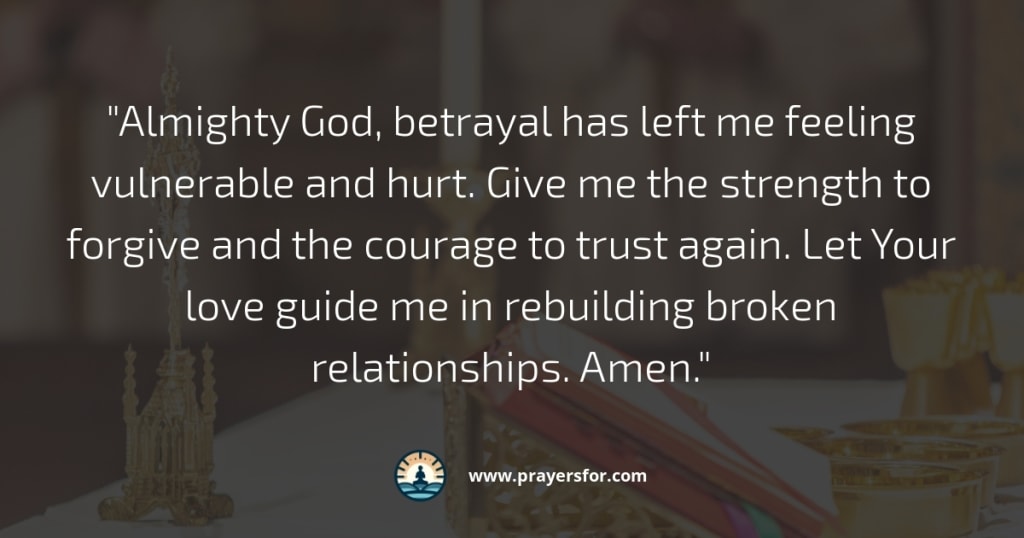
The journey started at a moment of profound betrayal. The relationship I had dedicated myself to—filled with affection, confidence, and optimism—was destroyed when deceit and broken commitments became irrefutable. The distressing realization of this betrayal left me feeling adrift and devastated as I faced the harsh truth: the individual I loved had undermined the very basis of our bond.
The emotional aftermath was intense. Sorrow and bewilderment clouded my thoughts, and for a while, I was unable to see past the agony. However, in my lowest times, my family served as my support. Their soothing words and unwavering support permitted me to breathe again. They didn’t attempt to fix me—they merely reminded me of my strength and value. "You are so much more than this," my sister softly said, and with those words, a tiny spark of hope ignited within me.
As time went on, I started to heal, understanding that not all individuals are alike. Not everyone would betray me in the way I had been wounded. My family helped me realize that while this segment of my life had concluded, it didn’t define who I am. I was capable of reconstruction, of trusting anew, and of welcoming the possibility of love in the days ahead. Gradually, I released the anger and sorrow, opting instead to progress with the insights I’d gained about love, trust, and resilience.
Through the steadfast love of my family, I reconnected with my strength, and today, I stand somewhat stronger, a bit wiser, and prepared to accept whatever the future offers. My story is one of recovery, not just from the betrayal, but from the conviction that I am deserving of love, and that I can learn to trust again.
The instant I understood the relationship had ended wasn’t marked by a dramatic showdown—it was a silent, gut-wrenching recognition that trust was irreparably damaged. There were lies, broken commitments, and instances that, with hindsight, were clear warning signs I overlooked. Yet, this time, the reality couldn’t be concealed. Upon learning the truths, it felt as though the ground beneath me had disintegrated. I wasn’t merely heartbroken—I felt deceived, bewildered, and adrift. How could someone I cared for so profoundly violate the commitments they made to me? How could I have trusted them so naively?
The days after the separation were a haze of anguish. I found myself replaying the moments, doubting everything I had known about the relationship and about myself. The isolation was overwhelming, and I was uncertain how to proceed. I was caught between the pain and the love that remained, battling to find the courage to release it. But in the most silent moments, I acknowledged that if I didn’t let go, I would only impede my own healing process.
That was when my family intervened. They became my sanctuary, my foundation. My mother, with her calming tone, would reassure me, “You are so much more than this. You are deserving of love and honesty. ”My sister, with her soothing words, would say to me, “You’re permitted to mourn, but don’t allow this to define you. It’s merely a chapter, not your entire story. ” These straightforward yet impactful messages became the basis upon which I began to reconstruct myself. Their love wasn’t focused on fixing me; it was centered around allowing me to heal in my own time, while continuously affirming that I wasn’t alone.
In the months that came after, I started to realize that not everyone is the same. The betrayal I suffered was not indicative of who I was or what I warranted—it was a shortcoming on the part of the individual who violated my trust. My family aided me in understanding this with gentle encouragement, and gradually, I ceased being afraid that I would be hurt again by everyone I welcomed into my life. It wasn’t about dismissing the pain, but about recognizing that the harmful actions of one individual didn’t determine my future.
Slowly, I began to heal. I embraced the activities that had previously brought me happiness before the relationship—hobbies, self-care, reawakening old passions. I spent more time with friends who reminded me of who I genuinely was, independent of any prior relationship. But most importantly, I began to trust myself once more. I understood that love and trust need not be all-or-nothing—each relationship is unique, and just because one didn’t succeed doesn’t imply the next won’t.
Today, I stand more resilient. The scars remain, but they don’t define me anymore. I’m no longer filled with anger or bitterness; I’ve learned to forgive, not for the person who wounded me, but for my own tranquility. My family’s steadfast support helped me rediscover my strength, and with their love, I’ve come to understand that resilience is not just about enduring the storm—it’s about thriving through it. The person I am now values self-worth, trusts cautiously, and welcomes the future with hope, knowing that love, in its most genuine form, will come again.It wasn’t the loud crash of a confrontation that destroyed the relationship—it was the silent decay of trust. Initially, I overlooked the minor signs, the slight inconsistencies, the broken promises. However, there comes a time when you can no longer disregard what’s in front of you. Uncovering the lies struck me like a freight train. It was as if time momentarily halted. How could someone I had faith in, someone I cherished, betray me so deeply? The burden of it was overwhelming, and the heartbreak wasn’t merely about losing the individual—it was the realization that the love I had faith in was founded on a basis of deceit. That type of agony is distinct. It’s not only emotional; it rattles your fundamental sense of reality, your convictions regarding love and trust.
In the aftermath, everything seemed like a haze. Grief didn’t manifest as I had anticipated—it wasn’t just sorrow; it was a tumultuous blend of rage, confusion, and disbelief. I replayed every instance, seeking signs I might have overlooked, wishing I could reverse time and alter my actions. There were nights when I would weep until I couldn’t anymore, only to awaken and feel as though the pain had intensified overnight. I had entrusted him with parts of myself that I couldn’t retrieve, and now I was left attempting to reconstruct who I was without that trust, without that love.
Yet, even in the bleakest moments, my family was present. My mother’s comforting voice became my anchor, a reminder that I wasn’t by myself. She’d sit with me, simply allowing me to vent, allowing me to cry, without hurrying to resolve things. She didn’t provide empty clichés; she offered empathy, understanding, and room for me to experience everything I was enduring. “You are not defined by someone else’s errors,” she would assure me, “Your heart is still intact, and you are deserving of the love you’ve provided. ” Her words didn’t instantly eliminate the pain, but they provided me with a glimpse of hope, a flicker of light in a tunnel that seemed never-ending.My sister also played an immense part in my healing. She was always there, prepared to provide both comfort and tough love. She would say to me, “You can feel pain, but you don’t have to allow this hurt to dominate you. You are worthy of someone who will respect you and cherish your heart. ” Her message served as a reminder that the love I felt for him should not be a reason to remain in a cycle of betrayal—it should be the very motivation I needed to fight for greater self-love.
As time went on, I started to understand that this was not merely about losing him. It was about reclaiming myself. I had invested so much of my identity into the relationship that when it ended, I felt unrecognizable. However, gradually, with the unwavering support of my family, I began to reconstruct my life. The journey was not straightforward—it wasn’t a simple case of “feeling better” each day. Some days, I felt on top of the world, while on other days, the grief returned. But the one constant was the love from my family. They didn’t pressure me to “get over it” quickly; they allowed me to heal at my own rhythm, without judgment or strict timelines. Their support provided me the freedom to process the pain without feeling like I was failing because I still felt shattered.
A significant realization struck me when I came to recognize that not everyone is the same. The betrayal, though heartbreaking, did not signify that everyone I met would treat me similarly. It was not merely about forgiving him—it was about recognizing that I couldn’t permit one person’s actions to taint my perspective on humanity. People are varied, and genuine love is founded on trust, honesty, and mutual respect. This understanding did not occur overnight, but in those quiet moments of introspection, my family helped me recognize that healing was not about erasing the past—it was about gaining wisdom from it.
I began to trust myself once more, gradually. I started to establish boundaries, prioritize myself, and concentrate on activities that made me feel whole—whether it was writing, long walks with friends, or enjoying nature. And with each small progress, I started to recall who I was beyond the relationship—someone strong, someone capable of loving again, but most importantly, someone worthy of the love I provided to myself.The healing journey had its challenges, yet through my family's love, I found a new version of myself—a stronger, wiser, and more resilient individual. I released my anger, opting for forgiveness not for the sake of the one who deceived me, but for my own tranquility. I realized that I could still love deeply, but I would never again lose sight of myself during that journey.
Today, as I find myself here, I am not characterized by the betrayal, the shattered promises, or the individual who harmed me. I am characterized by my resilience, my development, and the love I now direct towards myself. The scars from my past remain, but they no longer represent sources of pain—they serve as reminders of how far I have progressed. And while I gaze toward the future, I do so with hope, armed with the understanding that I am deserving of a love that respects me as much as I respect myself.
My family imparted to me that love is not derived from perfection; it arises from acceptance, trust, and the bravery to move on, even when it feels unattainable. For this, I am eternally thankful.
About the Creator
Keep reading
More stories from Rabia Rizwan and writers in Chapters and other communities.
The Lottery Ticket
Genre:Mystery/Thriller Opening Scene: David Brooks, a middle-aged office worker experiencing a streak of bad luck, trudges home after an exhausting, dull day at work. He stops by a convenience store out of habit and purchases a lottery ticket with the last few dollars he has in his wallet. It’s a customary act—he never thinks he’ll actually win.
By Rabia Rizwan12 months ago in Fiction
Fair Exchange, No Robberies
Dark Memoirs - Index There are at least two kinds of people in the world: those who write this half-arsed kind of intro to a story that looks to separate the rare and the norm, and those who realise it's an overused framing device and don't.
By Paul Stewart14 days ago in Chapters
The Body as a Warning
The body always knows before the mind admits it. Long before the thoughts begin to fray, long before the brilliance turns brittle, long before the light fractures into something sharp, my body starts sending signals — quiet, precise, insistent. Not alarms. Not emergencies. Warnings.
By Elisa Wontorcik3 days ago in Chapters
The Devil's Cut
“Comrade, finally you’re awake.” The voice was smooth, sensual. A flickering incandescent bar was all that lit the white, sterile room. All Vladimir remembered was everything going black. He tried to move his arms and found them strapped to the gurney.
By Matthew J. Fromm5 days ago in Fiction


Comments
There are no comments for this story
Be the first to respond and start the conversation.