
Foods That Contain Resveratrol
Nature’s Gift for Health and Longevity

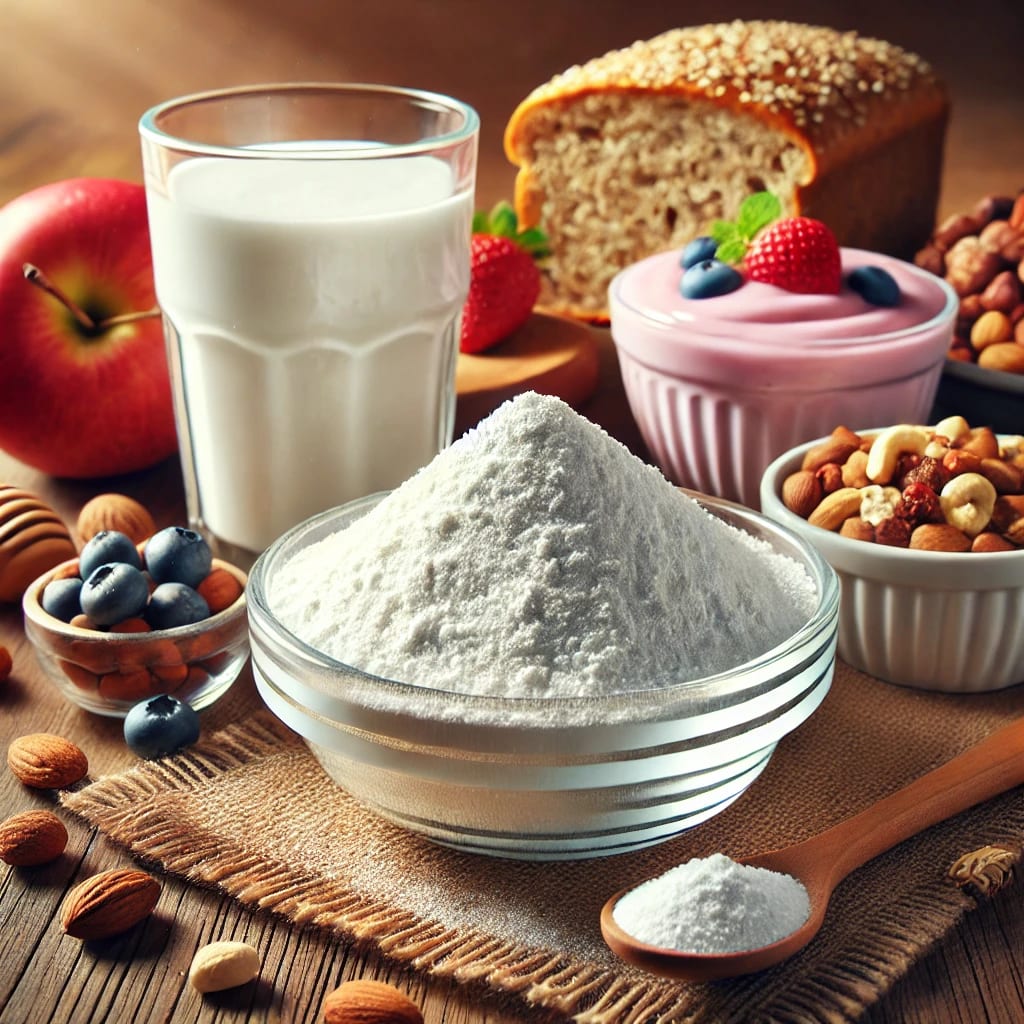
Resveratrol, a naturally occurring polyphenol, has garnered significant attention for its potential health benefits, ranging from antioxidant support to cardiovascular protection. Found in select plant-based foods, this compound is not only a cornerstone of scientific research but also a vital ingredient in modern wellness regimens. Below, we explore the key dietary sources of resveratrol, their unique advantages, and how incorporating them—or high-quality supplements—can elevate health outcomes.
1. Red Grapes and Wine: The Classic Source
Red grapes, particularly their skins and seeds, are among the richest natural reservoirs of resveratrol. The compound acts as a protective agent for the plant, defending against environmental stressors like fungi and UV radiation. When grapes are fermented into red wine, resveratrol concentrations increase, making moderate wine consumption a popular way to harness its benefits. Studies suggest that resveratrol in red wine may contribute to the “French Paradox”—the observation of low cardiovascular disease rates in France despite diets high in saturated fats.
Key Insight: While red wine offers resveratrol, its alcohol content limits daily intake. For non-drinkers, grape seed extract or resveratrol supplements provide a concentrated alternative.
2. Berries: A Colorful Boost of Antioxidants
Blueberries, cranberries, and mulberries contain modest but meaningful levels of resveratrol. These berries complement their resveratrol content with anthocyanins and vitamin C, creating a synergistic effect that enhances antioxidant activity. For instance, mulberries, used traditionally in Asian medicine, have been linked to improved metabolic health and reduced inflammation in clinical trials.
Practical Tip: Incorporate fresh or freeze-dried berries into smoothies or yogurt for a daily resveratrol boost. However, seasonal availability and varying resveratrol levels make standardized extracts a reliable option.
3. Peanuts: An Accessible Everyday Source
Peanuts and peanut skins are surprisingly potent sources of resveratrol, offering an affordable and accessible option for daily intake. Research indicates that roasted peanuts retain up to 80% of their resveratrol content, making them a practical snack choice. Peanut-based products like natural peanut butter or peanut flour can also contribute to resveratrol intake without requiring significant dietary changes.
Consideration: Allergies and caloric density may limit peanut consumption for some individuals. For these cases, purified resveratrol formulations ensure efficacy without compromising safety.
4. Dark Chocolate: A Delicious Dual-Action Superfood
High-quality dark chocolate (70% cocoa or higher) contains resveratrol alongside flavonoids like epicatechin. This combination supports vascular health by improving nitric oxide production and reducing oxidative stress. A 2021 study in the Journal of Nutritional Biochemistry found that regular dark chocolate consumption correlated with improved endothelial function in adults with hypertension.
Balanced Approach: Pair dark chocolate with other resveratrol-rich foods, but prioritize low-sugar varieties to avoid negating its benefits.
5. Japanese Knotweed: The Unsung Powerhouse
While not a conventional food, Japanese knotweed (Polygonum cuspidatum) is a botanical standout, boasting resveratrol concentrations up to 100 times higher than grapes. Used in traditional Asian medicine, its root extract is now a primary raw material for pharmaceutical-grade resveratrol supplements.
Why It Matters: Knotweed-derived resveratrol is highly bioavailable, making it ideal for therapeutic applications such as anti-aging skincare or metabolic syndrome management.
Bridging the Gap: When Diet Isn’t Enough
Despite these dietary sources, achieving clinically effective resveratrol doses through food alone remains challenging. For example, to match the 150–500 mg daily used in studies supporting heart health, one would need to consume over 100 glasses of red wine—a clearly impractical and unsafe approach. This gap underscores the importance of scientifically formulated supplements.
KINGSCI: Elevating Resveratrol Innovation
At KINGSCI, we specialize in unlocking the full potential of plant-based compounds like resveratrol. As a leader in botanical extraction, our commitment to excellence is reflected in every step:
Cutting-Edge Extraction: Our patented low-temperature extraction technology preserves resveratrol’s bioactivity while eliminating contaminants, ensuring purity levels exceeding 98%.
Cost-Effective Solutions: By optimizing cultivation partnerships with organic farms in resveratrol-rich regions (e.g., Shaanxi, China for knotweed), we reduce raw material costs without sacrificing quality.
Custom Formulations: Whether you need bulk resveratrol powder for capsules, water-soluble variants for beverages, or nanoemulsions for enhanced bioavailability, our R&D team tailors solutions to your product’s unique requirements.
Sustainability Focus: Our zero-waste production process repurposes biomass into renewable energy, aligning with global ESG standards.
Backed by 18 years of expertise and ISO 9001-certified facilities, KINGSCI empowers brands to deliver resveratrol products that consumers trust.
Partner with Excellence
While nature provides the blueprint for health, KINGSCI refines it through innovation. Let us help you create resveratrol formulations that stand out in efficacy, safety, and value. Contact us for free sample.
About the Creator
Keep reading
More stories from Junxiu Pan and writers in Chapters and other communities.
What are the Side Effects of Phosphatidylserine?
What are the Side Effects of Phosphatidylserine? Phosphatidylserine (PS) is a vital phospholipid found in the membranes of cells, especially in the brain. It plays a crucial role in maintaining brain function, memory, and overall cognitive health. It is commonly used as a supplement to support mental clarity, reduce stress, and improve brain health. While phosphatidylserine is generally considered safe for most individuals, like any supplement or nutrient, it can have side effects for some people. In this article, we will explore the possible side effects of phosphatidylserine and help you understand when to seek medical advice.
By Junxiu Pan11 months ago in Chapters
Fair Exchange, No Robberies
Dark Memoirs - Index There are at least two kinds of people in the world: those who write this half-arsed kind of intro to a story that looks to separate the rare and the norm, and those who realise it's an overused framing device and don't.
By Paul Stewart17 days ago in Chapters
Jeff Bezos sparks backlash as video exposes lavish purchases: 'How is this fair?'
Jeff Bezos is drawing flak anew after a TikTok clip featured his mega-yacht fleet — a floating empire that costs tens of millions each year to operate. While the billionaire can afford this extravagance, many question the environmental and social implications of such indulgence.
By Dena Falken Esqabout an hour ago in Chapters


Comments
There are no comments for this story
Be the first to respond and start the conversation.