
Exploring the Enchantment of Arabian Perfumes and Oils
Explore our exclusive range of alcohol-free Arabian perfumes and oils, crafted for lasting elegance. Shop now for authentic, long-lasting scents that captivate and enchant. Perfect for those seeking sophistication without compromise.
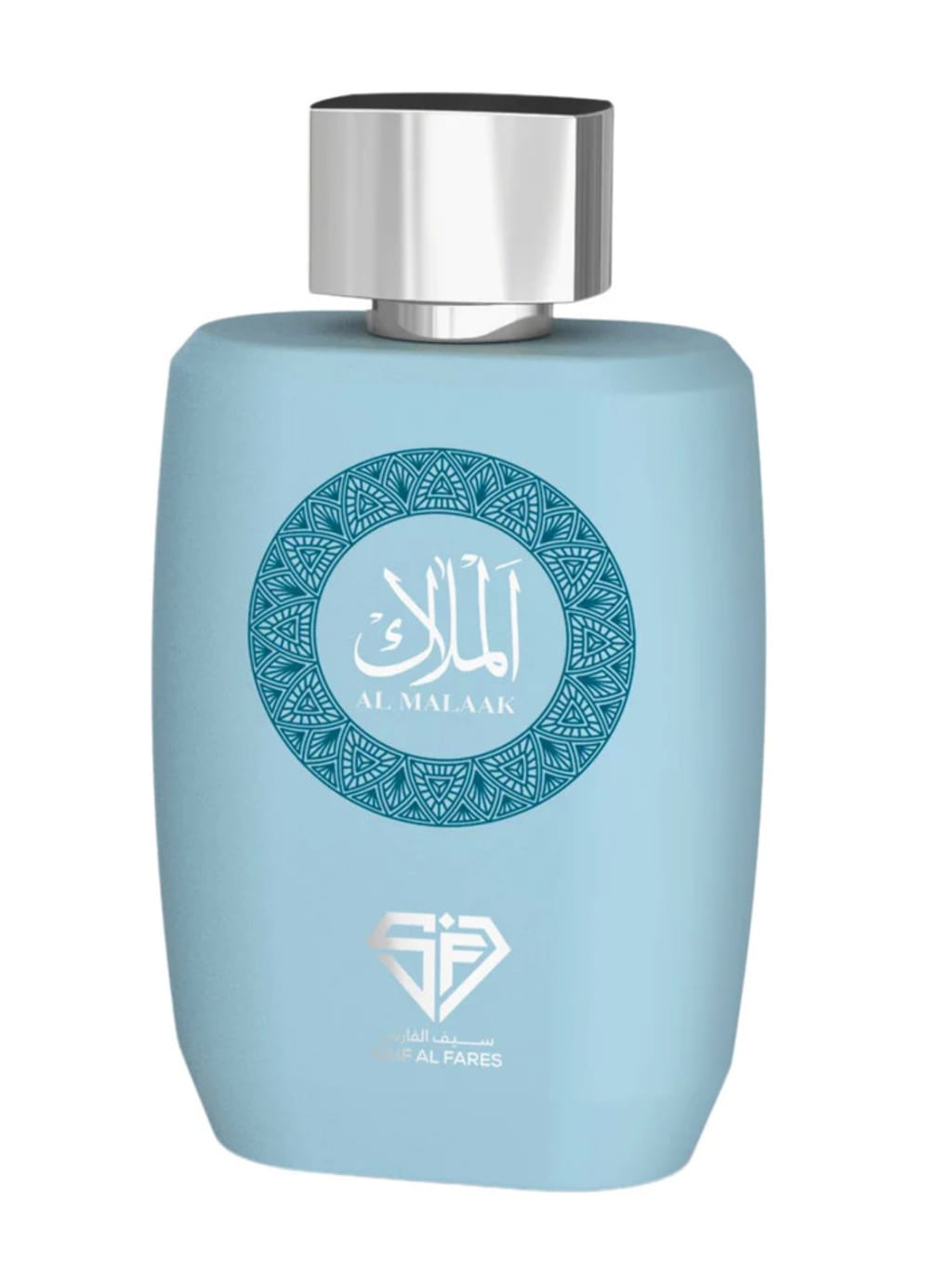
Arabian perfumes and oils have captivated the senses for centuries, offering a luxurious and timeless olfactory experience. Renowned for their complexity and richness, these fragrances play a significant role in Middle Eastern culture and beyond. This article delves into the world of Arabian perfumes and oils, exploring their history, key ingredients, and their unique appeal.
A Rich History of Fragrance
The art of perfumery in the Arabian Peninsula dates back to ancient times, deeply rooted in the region’s cultural and spiritual traditions. The use of perfumes was often linked with religious rituals, royal ceremonies, and daily life. Historical records reveal that Arabian perfumes were not only used for personal adornment but also as offerings to deities and as part of medical practices.
Distinctive Ingredients
Arabian perfumes are distinguished by their use of unique and often exotic ingredients, many of which are native to the region. The complexity of these fragrances stems from the meticulous blending of various elements, each contributing to the perfume’s overall character.
1. Oud (Agarwood):
Oud, or agarwood, is perhaps the most iconic ingredient in Arabian perfumery. Known for its rich, deep, and woody aroma, Oud is derived from the resin of Aquilaria trees. This luxurious ingredient is prized for its intensity and longevity, making it a favorite for high-end and special-occasion fragrances.
2. Musk:
Musk has been a cornerstone of Arabian perfumes for centuries. Extracted from the musk gland of deer or synthesized, this ingredient imparts a warm, sensual, and animalic scent. Its ability to blend seamlessly with other fragrances makes it a versatile and enduring component in many perfume blends.
3. Amber:
Amber is valued for its warm, resinous, and slightly sweet scent. It adds a rich depth and complexity to perfumes, often evoking a sense of warmth and comfort. Amber is frequently used in combination with other ingredients to create a multi-dimensional fragrance profile.
4. Frankincense and Myrrh:
Both frankincense and myrrh have historical significance in Arabian perfumery. Frankincense provides a resinous and slightly spicy aroma, while myrrh offers a balsamic and earthy scent. Together, they create a rich and spiritual fragrance often associated with religious and ceremonial contexts.
5. Floral Notes:
Arabian perfumes also embrace a variety of floral notes, including rose, jasmine, and tuberose. These flowers contribute a fresh, elegant, and romantic dimension to the fragrance, balancing the deeper, richer elements with their delicate and enchanting aromas.
The Art of Blending
Creating an Arabian perfume is an art form that requires a deep understanding of how different scents interact. Perfumers, or ‘noses,’ blend ingredients in precise proportions to craft a harmonious and evocative fragrance. The process involves layering top, middle, and base notes, each evolving over time to reveal the perfume's full character.
Top Notes:
These are the initial scents that are perceived immediately upon application. They are usually light and fresh, such as citrus or herbal notes.visit https://www.arabianperfumesandoils.com
Middle Notes:
Also known as heart notes, these emerge once the top notes dissipate. They form the core of the fragrance, often featuring floral or spicy elements.
Base Notes:
Base notes are the foundation of the perfume and emerge as the scent evolves. These are usually deep, rich, and long-lasting, such as Oud, amber, or musk.
The Modern Appeal
While traditional Arabian perfumes remain highly esteemed, modern perfumers continue to innovate and adapt these classic scents to contemporary preferences. Today, Arabian perfumes are sought after globally, appreciated for their complexity, artistry, and the luxurious aura they evoke.
Conclusion
Arabian perfumes and oils represent more than just fragrance; they embody a rich cultural heritage and a deep-seated appreciation for the art of scent. From the opulent depths of Oud to the delicate allure of rose, these perfumes offer an olfactory journey that connects past and present, tradition and innovation. Whether you’re drawn to their historical significance or simply captivated by their captivating aromas, Arabian perfumes and oils offer a truly enchanting experience.
About the Creator
Alcohol-Free Arabian Perfumes & Oils | Lasting Luxury Fragrances
Explore our exclusive range of alcohol-free Arabian perfumes and oils, crafted for lasting elegance. Shop now for authentic, long-lasting scents that captivate and enchant. https://www.arabianperfumesandoils.com
Keep reading
More stories from writers in Chapters and other communities.
Fair Exchange, No Robberies
Dark Memoirs - Index There are at least two kinds of people in the world: those who write this half-arsed kind of intro to a story that looks to separate the rare and the norm, and those who realise it's an overused framing device and don't.
By Paul Stewart13 days ago in Chapters
Rachel Reviews: The Spiral Archive by Pieter Hendrik
It's difficult for me to know where to start with a review of this book as it was, for me, an entirely unique experience and one that I'll probably never have again. I don't want that to be interpreted as unenjoyable but it has left me scratching my head a little and ruminating on its content, its themes and its characters.
By Rachel Deemingabout 19 hours ago in BookClub
A Dart at Dusk
Seconds ago, the sullen sun set on the two of us… my exuberant furry companion and me. A fresh breeze embraces us, delivering welcome relief from the day’s oppressive heat. His typical stumbling and staggering along — apace with a sloth — has turned into trip-trapping, high-stepping, almost skipping along.
By Angie the Archivist 📚🪶5 days ago in Petlife


Comments (2)
Nice article
Thanks for the recommendation