
Escalation in the Middle East: 5000 Rockets Fired into Israel
Malik Ayyan
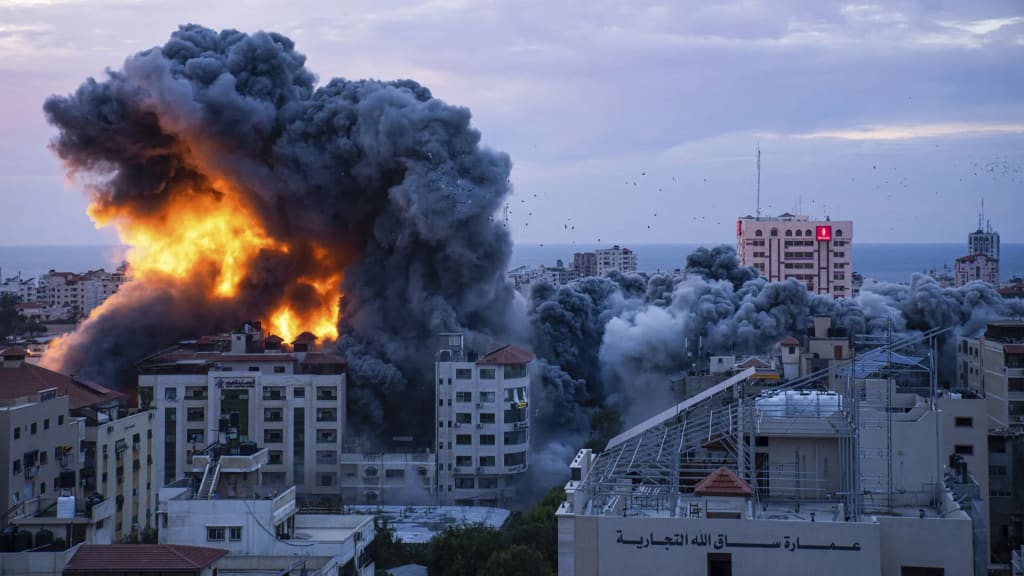
Conflict and instability have always been a problem in the Middle East, and recent events have brought the area back into the public eye. Numerous concerns have been brought up and pleas to deescalate the war have been made as a result of the worrying spike in rocket launches into Israel. This article will examine the causes, effects, and potential fixes for this challenging predicament.
The Origins of the Conflict
Years of political, geographical, and religious disputes between Israel and numerous Palestinian organizations, most notably Hamas, can be linked to the origins of the current war. Tensions in the area have been fueled by the unsolved issues, which include the status of Jerusalem, borders, and the rights of Palestinian refugees,Escalation in the Middle East: 5000 Rockets Fired into Israel
Conflicts between Israeli security forces and Palestinian protesters in East Jerusalem and the contentious displacement of Palestinian families from the Sheikh Jarrah area are recent events that contributed to the rocket strikes. These events caused outrage among Palestinians and led to violent altercations, which increased tension.
The Role of Rockets
In its conflict with Israel, Palestinian militant groups have long relied on rockets as their weapon of choice. In the last few days, the rocket attacks have gotten worse, with thousands being shot randomly into Israel and hitting human population areas. These rockets now pose a greater threat to Israeli residents due to their increased range and precision.
The Impact on Israel
Israel has suffered greatly as a result of the missile attacks, with citizens constantly fearing incoming rockets. The missile onslaught has resulted in fatalities and extensive infrastructural damage, including harm to houses, schools, and businesses. Israel has responded by turning on its Iron Dome defense system, which has intercepted many but not all incoming rockets.
There is no estimating the psychological toll on Israeli civilians, especially youngsters. People have been compelled to live in bomb shelters due to the continual fear of rocket assaults, which has disrupted daily life and increased stress. The economic impact is equally severe, with businesses finding it difficult to function and tourism, an important sector for Israel, suffering significantly.
International Response
In reaction to the situation, leaders and organizations from all over the world have rapidly voiced their concerns and demanded an immediate ceasefire. The United Nations and regional nations like Egypt and Qatar have been actively involved in attempting to mediate a cease-fire and foster negotiations between Israel and the Palestinian organizations.
The United States, a longtime ally of Israel, has been actively involved in diplomatic efforts to end hostilities and provide relief to those in need. The overarching message from the international community is clear: the matter needs to be settled peacefully right away in order to stop further suffering.
The Humanitarian Crisis
Beyond the immediate physical damage and casualties, the conflict has created a humanitarian crisis. Thousands of Palestinians have been displaced from their homes in Gaza, and access to essential services such as healthcare and clean water is severely limited. The destruction of infrastructure compounds the difficulties faced by the already vulnerable population.
In Israel, the psychological trauma inflicted on civilians, particularly children, cannot be underestimated. Mental health support and resources are critical to helping those affected cope with the ongoing stress and anxiety.
The Path to Peace
The road to peace in the Middle East is fraught with challenges, but it is not insurmountable. Several key steps are necessary to achieve a lasting resolution:
Ceasefire:
The first and most urgent step is a comprehensive ceasefire, allowing all parties to step back from the brink of war and protect civilians on both sides.
Diplomacy:
Meaningful negotiations between Israel and Palestinian groups must resume.The international community, under the leadership of regional and international authorities, should contribute to fostering communication.
Root Causes: In order to find a lasting settlement, it is necessary to address the conflict's underlying issues, such as the status of Jerusalem, the location of boundaries, the plight of refugees, and the larger question of Palestinian statehood.
Humanitarian Aid:
It is crucial to provide individuals impacted by the violence
Conclusion
The ongoing struggle in the Middle East is tragically brought to mind by the recent escalation there, which has been marked by the of thousands of into Israel. The community must step up to achieve a ceasefire and a durable since the on civilians on both sides are terrible. The only way the area has any chance ofa path to peace and security is through, dealing with theissues, and offering relief.
About the Creator
Keep reading
More stories from malik ayyan and writers in Chapters and other communities.
Escalation in the Middle East: 5000 Rockets Fired into Israel
Conflict and instability have always been a problem in the Middle East, and recent events have brought the area back into the public eye. Numerous concerns have been brought up and pleas to deescalate the war have been made as a result of the worrying spike in rocket launches into Israel. This article will examine the causes, effects, and potential fixes for this challenging predicament.
By malik ayyan2 years ago in Chapters
Lycan Lore
As the students of my 10am mythology class take their seats, I decide to steer the day's curriculum away from Greek and dive into a Western European discourse on the misaligned beliefs of the Werewolf. A tale of truth or fiction. No one really knows.
By Lamar Wigginsabout 11 hours ago in Fiction


Comments
There are no comments for this story
Be the first to respond and start the conversation.